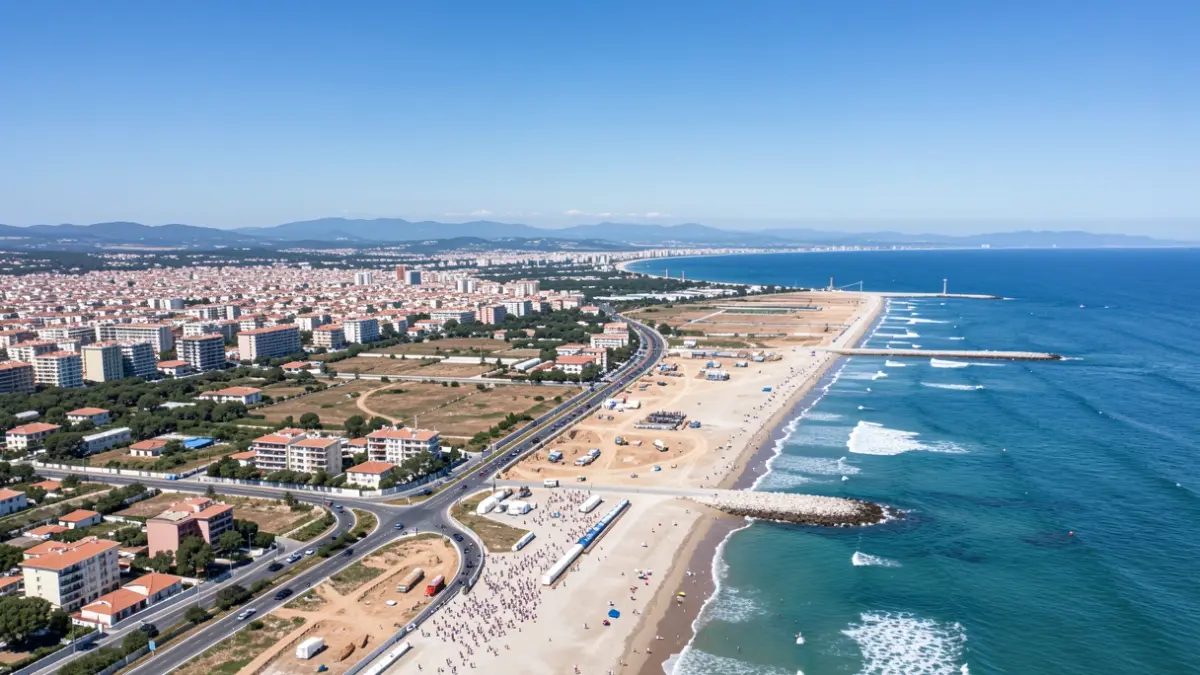
The revised Drought Special Plan for the Segura Hydrographic Demarcation, approved this week, maintains the basic structure of the 2018 plan but introduces relevant adjustments to the scarcity indicators. The most significant change affects the basin's main system, integrating the Vega Baja, Torrevieja, Vega Media, Campo de Cartagena, Guadalentín, Mazarrón, Águilas, and areas linked to the Tajo-Segura post-transfer. This unit concentrates the majority of the basin's demands and is therefore most affected by drought decisions.
The document distinguishes between drought and scarcity. Prolonged drought is associated with natural anomalies in rainfall and supply, while conjunctural scarcity measures the temporary lack of resources for urban, agricultural, industrial, or environmental uses. Structural scarcity is excluded from this plan.
The most important adjustment in the Drought Special Plan revision lies in the Main System's scarcity indicator. The document acknowledges a distortion in 2019, where the index reflected an emergency situation not fully aligned with actual resource availability. This was because the calculation considered contributions and reservoir volumes but did not correctly incorporate water from desalination plants, particularly the one in Torrevieja.
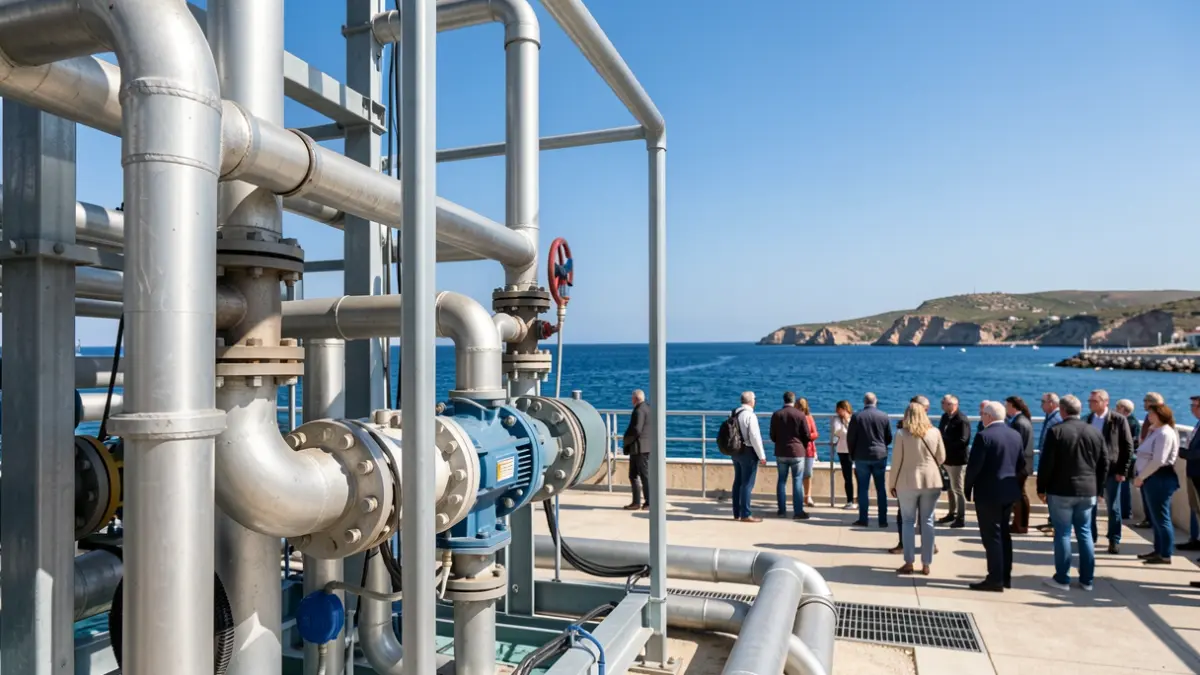
Now, the transfer subsystem indicator includes supplies linked to Tajo-Segura uses stored in basin reservoirs, accumulated transfer volumes, and desalination plant production for associated demands. The Torrevieja desalination plant will now play an explicit role in the calculation, having been built to address the deficit in the transfer's irrigated areas.
The Segura Hydrographic Confederation (CHS) considers the 2018 Drought Special Plan satisfactory, but accumulated experience has necessitated revising some indicators for better alignment with actual water availability. The revision refines the reading of reality without changing the management map, maintaining the same territorial units for prolonged drought and scarcity, such as the Vega Baja, integrated into UTE 01 (Main System).
The new methodology treats desalination as a non-peripheral resource. The Torrevieja desalination plant is projected to produce 80 cubic hectometers, with a capacity of 120 cubic hectometers by 2027, considering the difference as a buffer for scarcity situations. In urban supply, many Vega Baja municipalities are part of the Mancomunidad de Canales del Taibilla-Central, receiving resources from Taibilla, the Tajo-Segura transfer, and the Torrevieja and San Pedro desalination plants. Agriculturally, the traditional Vega Baja has an annual demand of 100.1 cubic hectometers.
The plan highlights the unique nature of the Vega Baja, where irrigation return flows in the drainage channels supply traditional irrigated lands, forming a distinct hydraulic logic that includes historical returns, drainage, and secondary uses.