The Les Fogueres de Sant Joan festival in Alicante has concluded with a positive balance regarding the quality of the monuments, the participation of festival-goers, and the influx of visitors, generating a significant economic impact. However, despite attempts to rationalize public space use, such as the prohibition of 'mesones' or the limitation of 'racós', the celebration presents pending challenges. One of the most recurring debates centers on the management of nocturnal and diurnal leisure, a classic conflict between the enjoyment of the festival and the right to rest.
Historically, the coexistence between those who celebrate the festival and those who need to rest has been complex. While some opted to move or leave the city during these days, many workers remain in Alicante. This dichotomy between the right to rest and the defense of the festive week, for which work is done throughout the year, continues to be a point of friction.
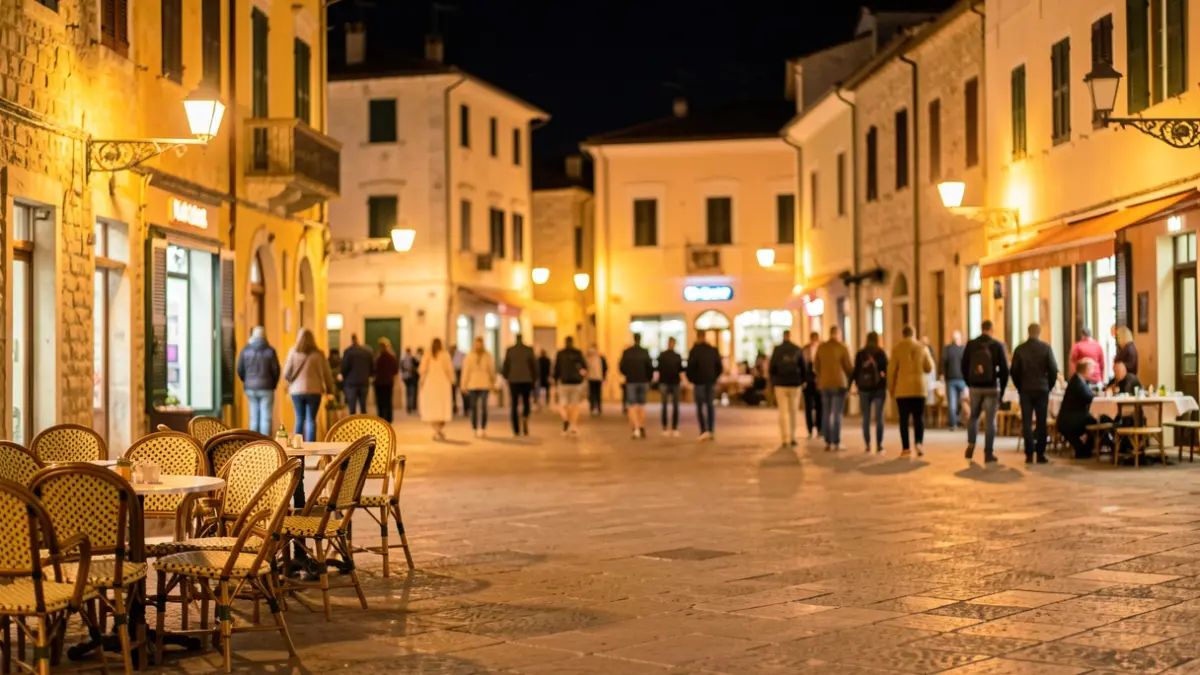
Other issues such as disturbances from traffic diversions, street cleaning, or schedules also persist. Furthermore, the difference between the central district's bonfires, often with more resources and an entertainment offer more akin to a festival or nightclub, and those in the neighborhoods, which struggle to maintain tradition, local roots, and intergenerational coexistence with tighter budgets, remains. The shift from orchestras to DJs and then to 'racó-nightclubs' has transformed traditional leisure, as evidenced in areas like Passeig de l'Explanada, Bailén street, or the area around the Theatre, generating complaints from both residents and professional sectors such as hoteliers and restaurateurs.
Given this situation, reflection and the search for solutions by the authorities are necessary, especially as the festival's centenary approaches. It is proposed to revive the 'Barraca Popular' to concentrate young attendees and reduce disturbances, or to convene public tenders for the concession of public spaces for private activities, ensuring equal conditions. The lack of bids in recent tenders for leisure space management has highlighted the complexity of finding new models.
A key proposal is to achieve a broad agreement among the city council, residents, festival organizers ('festeros', 'barraquers'), and the private sector to define the conditions for occupying public space, operating hours, and the festival's funding basis. This pact could include discussions on the tourist tax, seeking a balance that satisfies all parties. The current situation, with tensions similar to those of mass urban tourism, requires courage to make decisions.
The concern about overcrowding and coexistence with residents is an emerging issue, as demonstrated by measures taken in other territories and statements from business leaders and politicians. The challenge for Les Fogueres is to ensure that its spectacularity is not overshadowed by a need for improved coexistence, ensuring that the festival remains rooted in the social fabric and not against it.