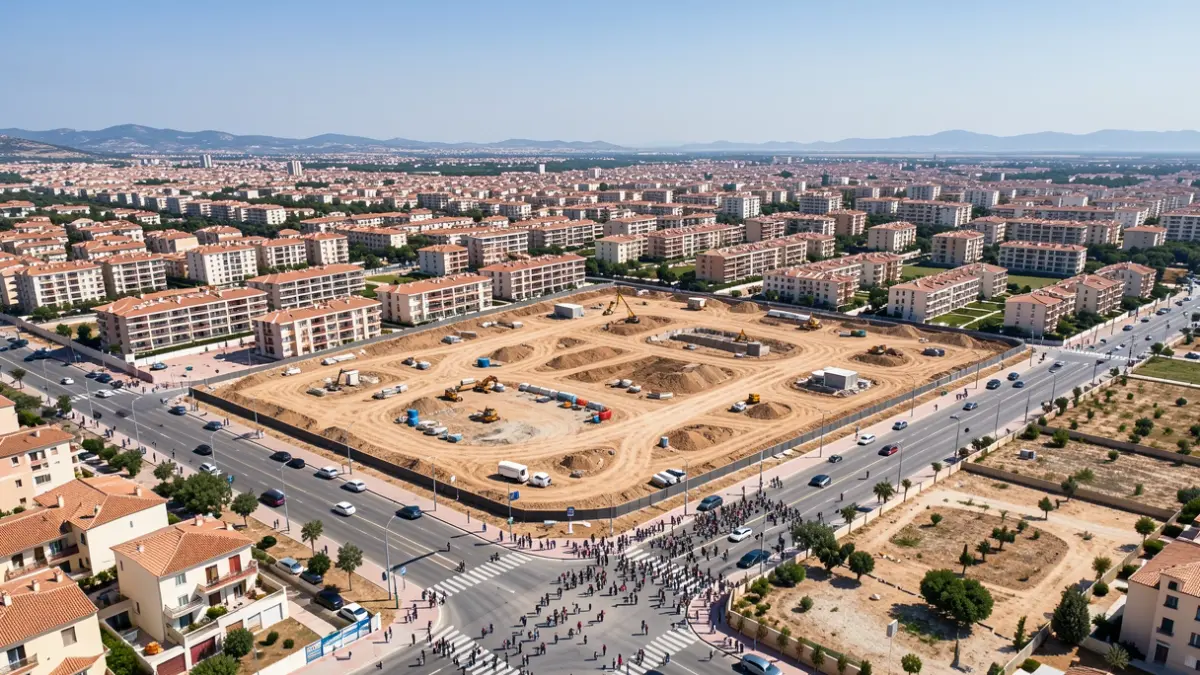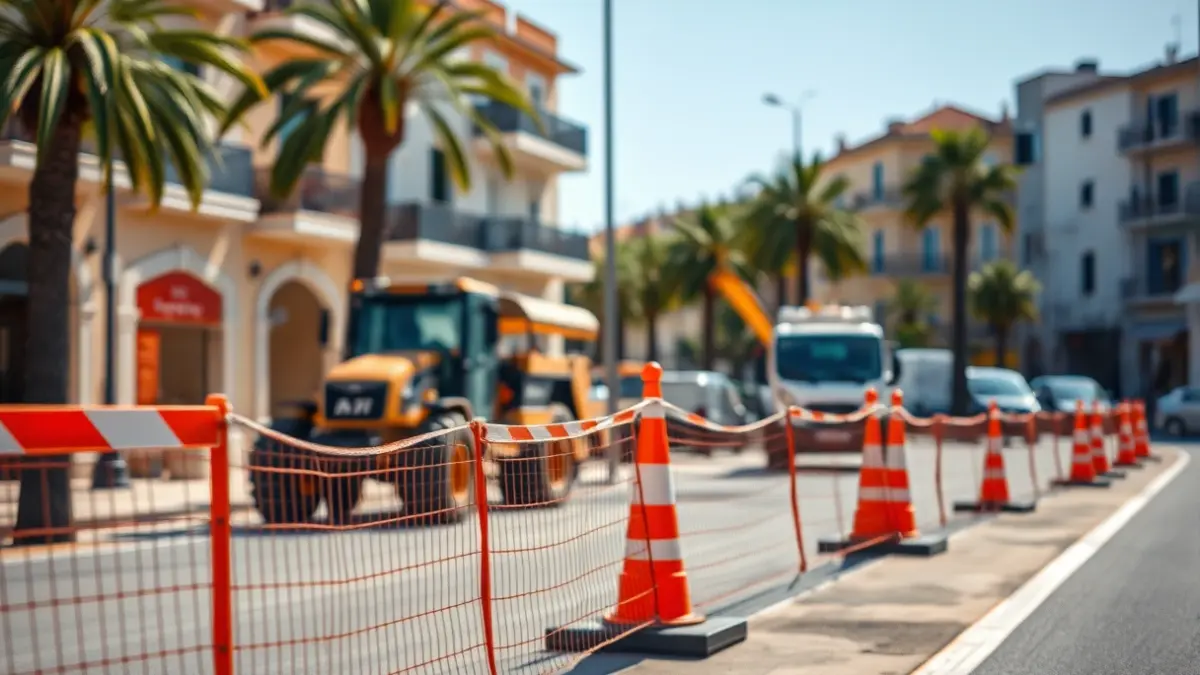
Once this technical step is completed, only budgetary allocation and prompt tender of the works will remain, according to municipal sources. The actions will focus on two key points: the section of Jaime Chicharro Avenue closest to Plaça de la Generalitat Valenciana and Maestrat Street, and Jaume I Avenue at the height of Camí Fondo. The works are estimated to last eight months.
The culmination of this fourth phase will coincide with the completion of the third, also scheduled for May if the deadlines set by the company Becsa are met. This phase involves an investment of 1,192,900 euros and affects Assumpta González Cubertorer Street, at its intersection with Cardenal Vicent Enrique i Tarancón Avenue, as well as several sections between Generación del 27, Jorge Guillem, Rafael Alberti, Tallinn, and Camí Grau Streets.
The overall project, structured in four phases with a total outlay of 3.7 million euros, aims to implement a separate stormwater and wastewater network to minimize flood risk and reduce the flow of the collector running from Camí Fondo to the Burriana treatment plant. Additionally, it includes the creation of a new stormwater discharge point into the Río Seco, to alleviate the burden on the treatment plant, whose capacity is insufficient during heavy rainfall.
The first modification of the project occurred after the discovery of archaeological remains during the excavation of the grit chamber and collector trench. The necessary work to recover these historical vestiges increased the cost of the first phase by 215,089 euros —a 40.9% increase—, which was added to the 525,412 euros of the initial award to Becsa. This phase concluded in September 2025, ten months behind schedule, and allowed for the valorization of bone and ceramic remains.
In parallel to these stormwater improvement works, efforts are also underway to renew the drinking water and sanitation networks, which the company Facsa executes annually under the 2025-2029 Supply and Sewerage Master Plan. In 2026, these actions affect a dozen streets with an investment of 1,322,228 euros, financed by the company itself through 90% and 32% of its annual billing in Burriana for drinking water and sewerage, respectively.