The idea of finding affordable housing in Xàbia's working-class neighborhoods has become a myth. The high prices of the real estate market have reached areas like Thiviers and Freginal, which have historically been home to middle-class and working families. A new development of 72 homes in Thiviers, which already has a license, exemplifies this trend.
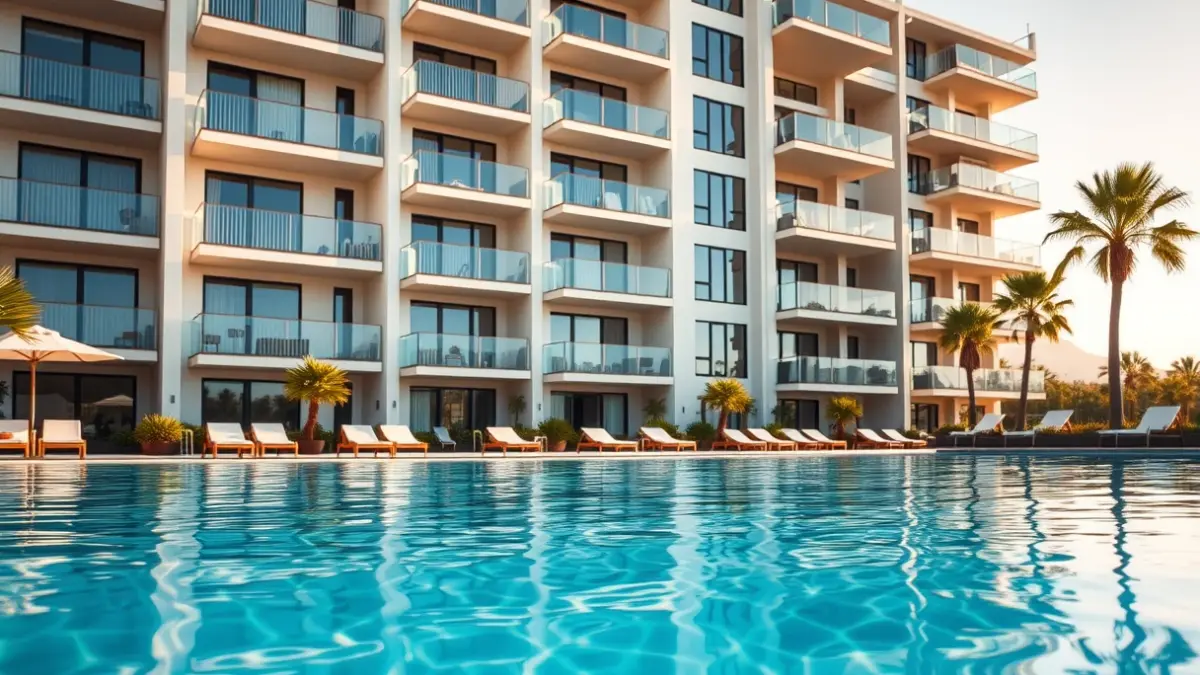
The developer Prygesa has revealed the prices for these one and two-bedroom homes, starting at 214,000 euros without VAT for a one-bedroom, 60-square-meter apartment. The maximum price, for a penthouse with an attic, reaches 541,000 euros. All homes include a garage, and the complex will feature a swimming pool, an increasingly common amenity in new constructions in the town.
This development highlights two key conclusions about Xàbia's real estate market: the disappearance of price differences between neighborhoods and the rise of one-bedroom homes. These homes fall between future public protection developments (also one or two bedrooms) and luxury apartments, which easily exceed 300,000 euros and can reach 500,000 or 600,000 euros.
Additionally, the town has two pending public protection developments that will add 82 homes, also with swimming pools. Xàbia stands out for its large number of swimming pools, with over 9,000 throughout the municipality. New constructions are oriented inwards, prioritizing common areas like the pool, and moving away from ground-floor commercial spaces that once connected properties to urban life.