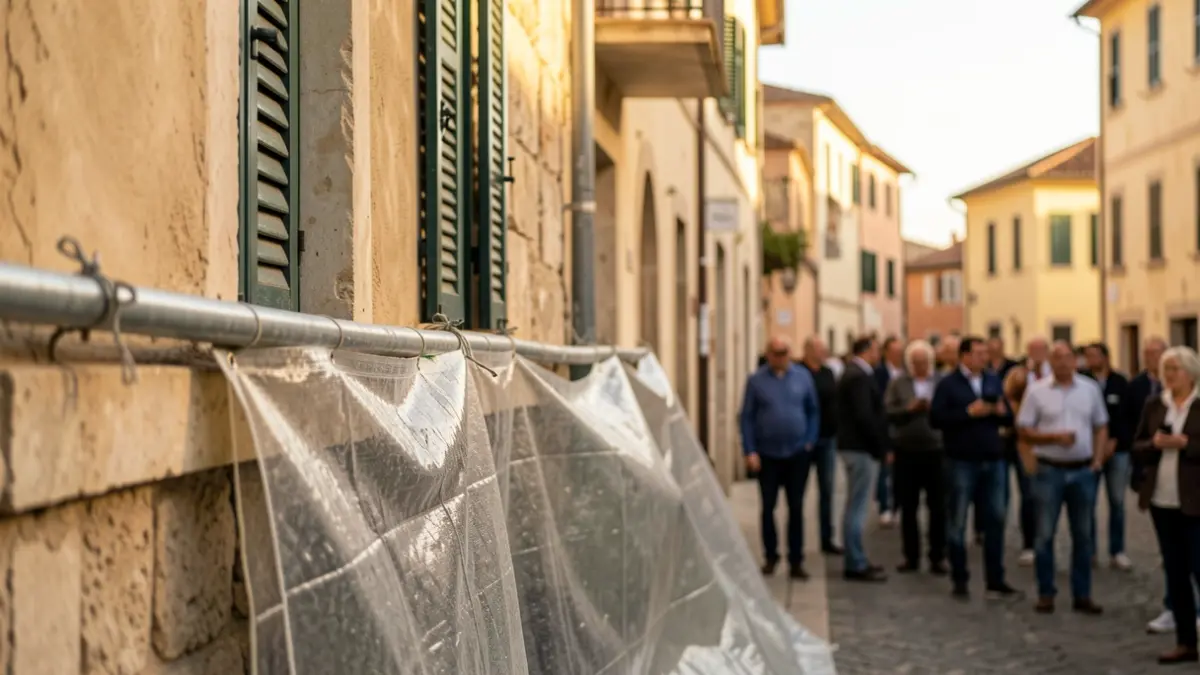
The Fundación Mutua de Propietarios has presented an alarming report highlighting the difficulties faced by over 276,400 Valencians with reduced mobility in accessing their homes. A staggering 97% of buildings present at least one architectural barrier, turning a daily action like entering or leaving home into a significant obstacle course.
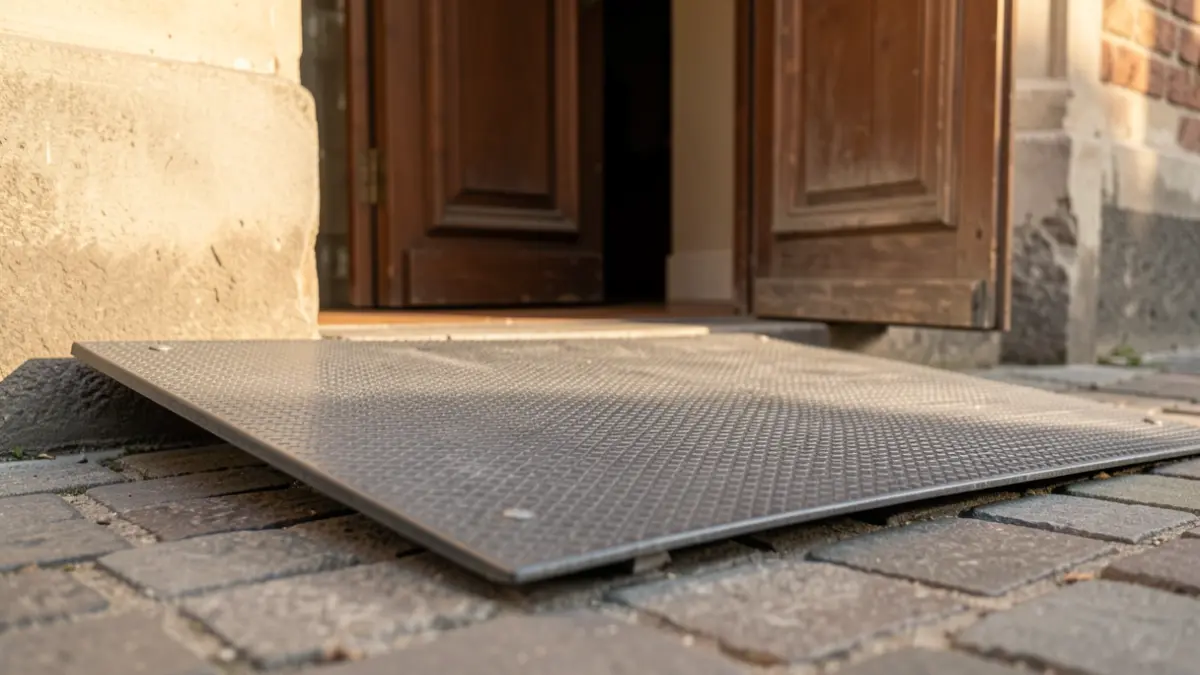
Barriers begin even before entering the building: 65% of properties are not accessible from the street to the main entrance, primarily due to a simple step (in 65% of cases). Furthermore, 40% of existing ramps lack handrails, a crucial safety element.
Once inside the building's entrance hall, obstacles persist. 52% of properties are not accessible in this area. Heavy doors or those that close too quickly affect nearly half of cases, and 30% present opening difficulties due to their weight. Problems are also detected with intercom systems, as only 42% are at an adequate height, and three out of five mailboxes are unreachable.
Elevators, which should be a solution, also do not always guarantee accessibility. 14% of Valencian properties lack an elevator, and when present, 43% have an inadequate height difference. Inside, difficulties are even greater: heavy doors (87%), buttons set too high (85%), insufficient closing times (83%), and lack of space (78%). In total, 64% of elevators do not meet physical accessibility criteria for wheelchair use.
The study also reveals a gap in problem perception: individuals without mobility issues rate their building's accessibility at 7.3, while those with difficulties lower it to 5.9. This lack of awareness is compounded by economic factors, as 84% of communities consider adapting their buildings difficult.
The director of Fundación Mutua de Propietarios, Cristina Pallàs, emphasizes the importance of ensuring accessibility: “A free and independent life begins with the most everyday actions: being able to enter and leave home without help.” The entity stresses that, given the aging population, guaranteeing accessible buildings is an essential investment for quality of life.