The arrival of spring not only heralds nature's bloom but also drastic shifts in climate patterns that can test any territory's infrastructure. In many regions, spring storms in ravines present a significant hydrological challenge. These episodes, characterized by high intensity and short duration, can transform seemingly dry beds into veritable torrents of water and debris in minutes.
This is not merely a meteorological phenomenon but a matter of public safety and asset protection. A neglected watercourse is not just an aesthetic issue; it exponentially increases the risk of flooding.
Unlike the persistent, moderate rains of winter, spring storms are often convective. Large masses of warm, humid air ascend rapidly, cool in the upper atmosphere, and discharge significant amounts of water in highly localized areas. The ground, whether saturated from prior rains or hydrophobic from drought, generates immediate surface runoff seeking an outlet through ravines. If these are obstructed, the system collapses.
Watercourse maintenance is an environmental engineering task extending beyond simple vegetation removal. Its primary function is to ensure the bed's hydraulic capacity, allowing predicted flood volumes to pass without overflowing. Ravines, beyond their ecological role as biological corridors, become critical evacuation infrastructures in human-altered environments. Proper maintenance balances preserving stabilizing native vegetation with removing invasive or dead species that form blockages.
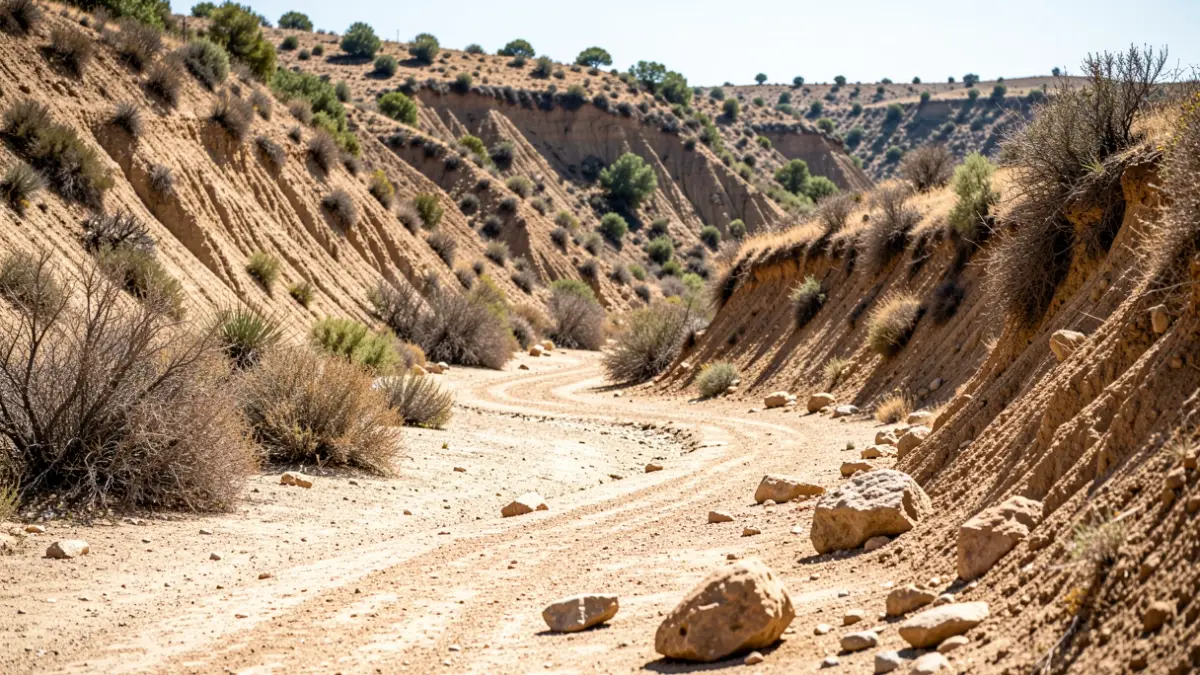
Ignoring ravine cleaning during dry months leads to severe consequences: sudden floods (flash floods) due to obstacles like sediment or vegetation; material drag (logs, rocks, debris) forming mobile dams; and structural damage to bridges, walls, and pipes. The economic and social cost of repairs far exceeds that of preventive maintenance.
In the Mediterranean basin, these phenomena are particularly virulent due to abrupt orography, ephemeral riverbeds creating a false sense of security, and climate change effects leading to more violent rainfall. Current best practices, such as selective clearing, sediment removal, and bank stabilization using bioengineering, are fundamental.
Specialized hydraulic management companies offer flood risk studies, administrative processing, and multi-year maintenance plans. Their efficient, legal, and environmentally respectful interventions transform danger points into safe drainage infrastructures.