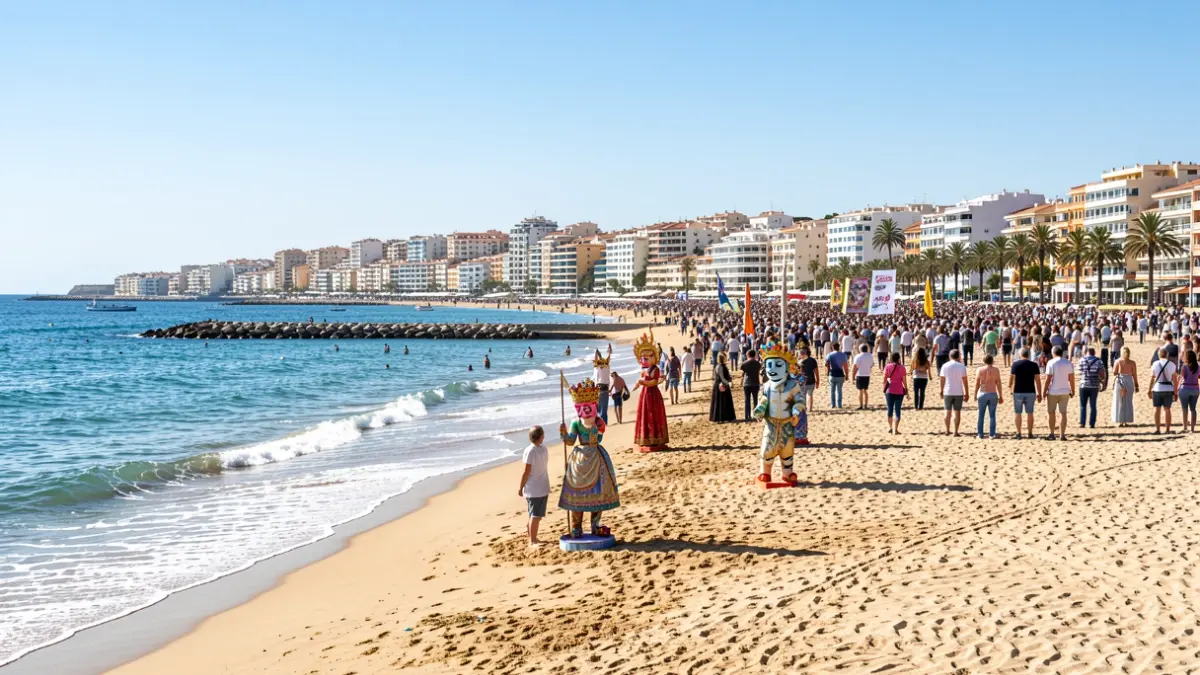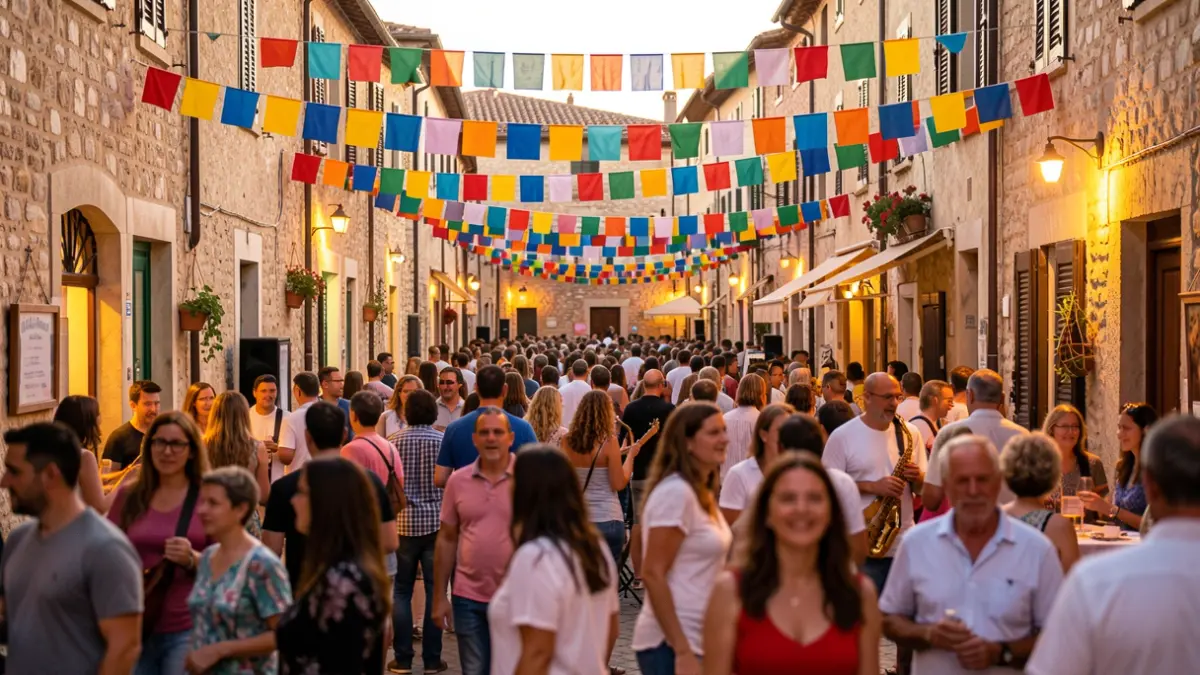
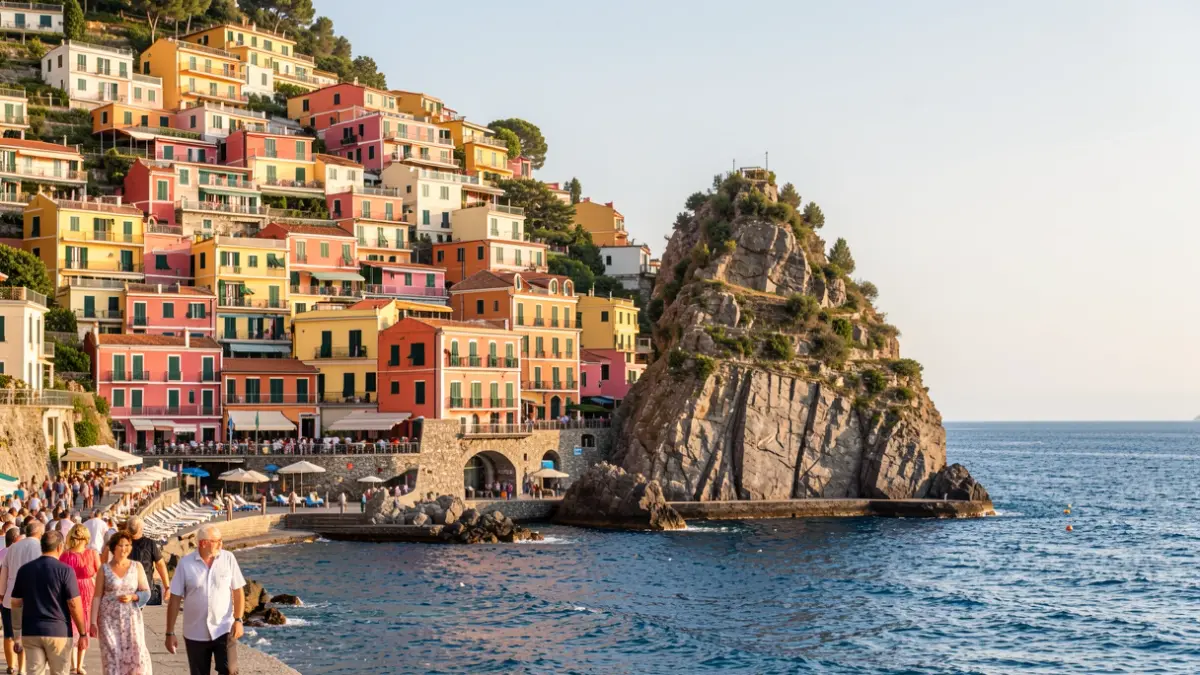
The Costa Blanca is much more than a succession of beaches and promenades. Although the Mediterranean is its main draw, the Alicante coastline and its interior hide towns with a very distinct identity, capable of summarizing in a few kilometers much of what makes this area special: history, gastronomy, popular architecture, viewpoints, seafaring tradition, and landscapes that change completely between mountain and sea.
To truly say you know the Costa Blanca, it's not enough to stick to its most touristy destinations. There are places that function almost as an introductory route to understanding the province of Alicante: villages perched on rocks, colorful facades by the water, white old towns, castles by the sea, and a gastronomy that is part of the journey. These five municipalities form a perfect itinerary to discover that mix of Mediterranean postcard and local character.
The first stop on the route is [El Castell de Guadalest](https://www.informacion.es/benidorm/2026/06/02/pueblo-alicante-cuento-castillo-embalse-tunel-guadalest-dv-loc-130941163.html), one of the most unique towns in inland Alicante. Its historic center seems sculpted directly from the rock and overlooks the valley with an unforgettable image: houses embedded in the mountain, defensive remains, narrow streets, and the turquoise water reservoir in the background. Climbing to the castle offers one of the most famous views in the province, with the water body surrounded by mountains. This Saturday, the municipality celebrates its Romantic Night, an event with special ambiance, instrumental music, a photocall, and dinners in participating bars and restaurants.
The second stop is [La Vila Joiosa](https://www.informacion.es/ocio/planes/2025/07/12/cala-bol-nou-villajoyosa-dv-loc-105853391.html), a town that, like few others, summarizes the relationship between the Costa Blanca and the Mediterranean. Its most recognizable image is the colorful fishermen's houses facing the sea, a row of vibrant facades that has become one of Alicante's most photographed postcards. Tradition has it that these colors helped sailors identify their homes from the water. Strolling through the old town, walking along the promenade, and stopping in front of these facades is almost mandatory. Added to this is its chocolate tradition.
The third stop takes us to [Calp](https://www.informacion.es/ocio/planes/2025/07/29/cala-aguas-cristalinas-escondida-penon-120165367.html), dominated by an unmistakable silhouette: the [Peñón de Ifach](https://www.informacion.es/ocio/planes/2024/06/01/rutas-senderismo-alicante-mejores-vistas-espana-dv-101720598.html). This enormous rock mass, now a natural park, rises by the sea and defines the entire landscape of the municipality. It is Calpe's great icon and one of the most recognizable images of the Costa Blanca. From its surroundings, one can see beaches, salt flats, a fishing port, and a coastline that combines nature and tourist activity. Its old town offers streets with murals, colorful corners, and remnants of its seafaring past.
The fourth stop is [Altea](https://www.informacion.es/comunidad-valenciana/2023/02/10/escapada-pueblos-espectaculares-comunidad-valenciana-dv-81081194.html), probably one of the most sought-after towns by those looking for the most Mediterranean image of Alicante. Its old town, situated on a height, consists of cobbled streets, white facades, slopes, bougainvillea, and viewpoints overlooking the sea. At the top stands the church of Our Lady of Consolation, with its blue and white domes, a scene many compare to some Greek islands. Altea invites you to walk slowly, enter small shops, and stop in its squares.
The route finally ends in [Dénia](https://www.informacion.es/marina-alta/2026/01/29/ruta-senderismo-alicante-cima-montgo-campo-tiro-dv-loc-126227437.html), a perfect conclusion as it combines history, sea, and gastronomy in one destination. Its castle, located on a hill next to the port, recalls the city's strategic importance over the centuries and offers one of the best views of the coast and the urban center. Dénia allows combining a heritage visit with a stroll through the port, the fishing district, the beaches, or the Montgó area. Its great added value lies in its cuisine, recognized as a UNESCO Creative City of Gastronomy in 2015.
Guadalest, La Vila, Calp, Altea, and Dénia form a very complete route to understand why the Costa Blanca is one of the great destinations of the Spanish Mediterranean. Each contributes something different: the mountain and the reservoir, the seafaring color, the strength of the rock, the white and blue postcard, and an internationally recognized cuisine. They can be visited on separate trips or combined into a multi-day tour of the province of Alicante. The important thing is not to just stick to the most touristy spots.