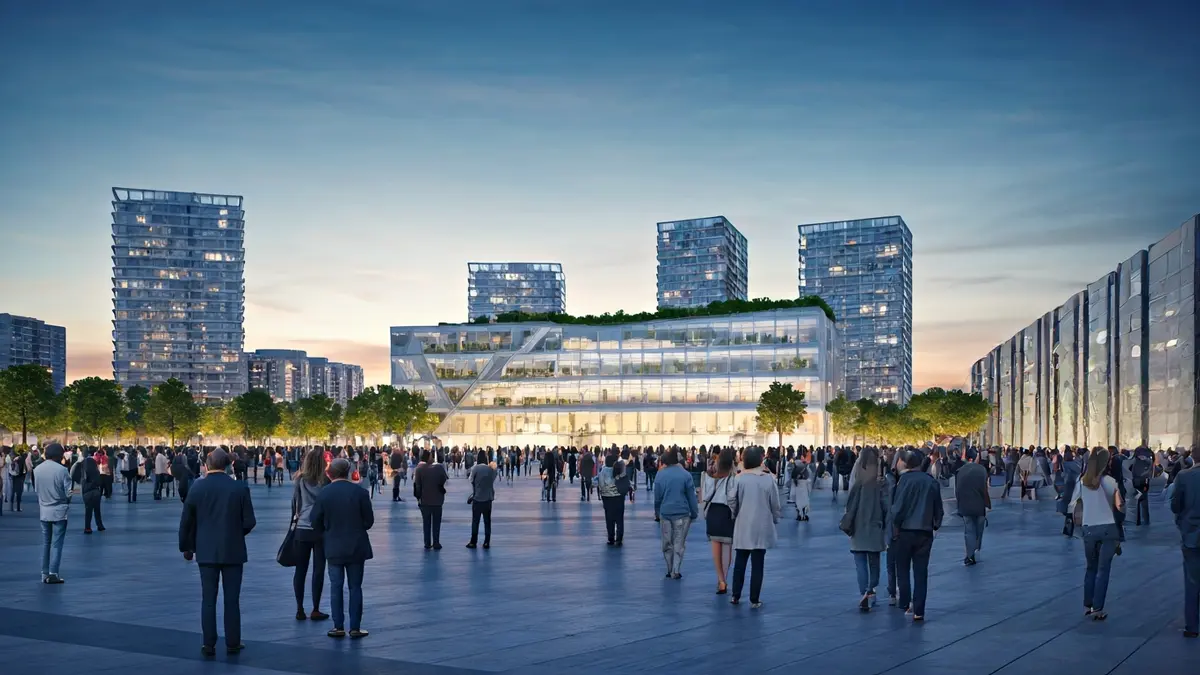
This plan is conceived as an essential tool to project the future of Ontinyent, consolidating the current urban model and adapting it to new economic, social, and environmental scenarios. The Councilor for Finance, Juan Pablo Úbeda, explained that the project “is born with the will that the design of the city of the future be reflected in a planning document, and that this be the result of a process open to citizens.”
According to the municipal official, the city faces this challenge from a solid base, a result of the transformations experienced in the last fifteen years. During this period, relevant infrastructures and services have been developed, such as the new hospital, the courthouses, the Textile Museum, or the Belgian Mothers' Park, as well as new facilities like the Casa del Diezmo.
Furthermore, the growth of the university campus has been another fundamental pillar, with five degrees and a master's degree already in operation and the forecast of incorporating the first public Veterinary faculty in the Valencian Community, with an estimated investment exceeding 70 million euros.
“"We are not starting from scratch, but the world is changing very fast and we must prepare for new challenges."
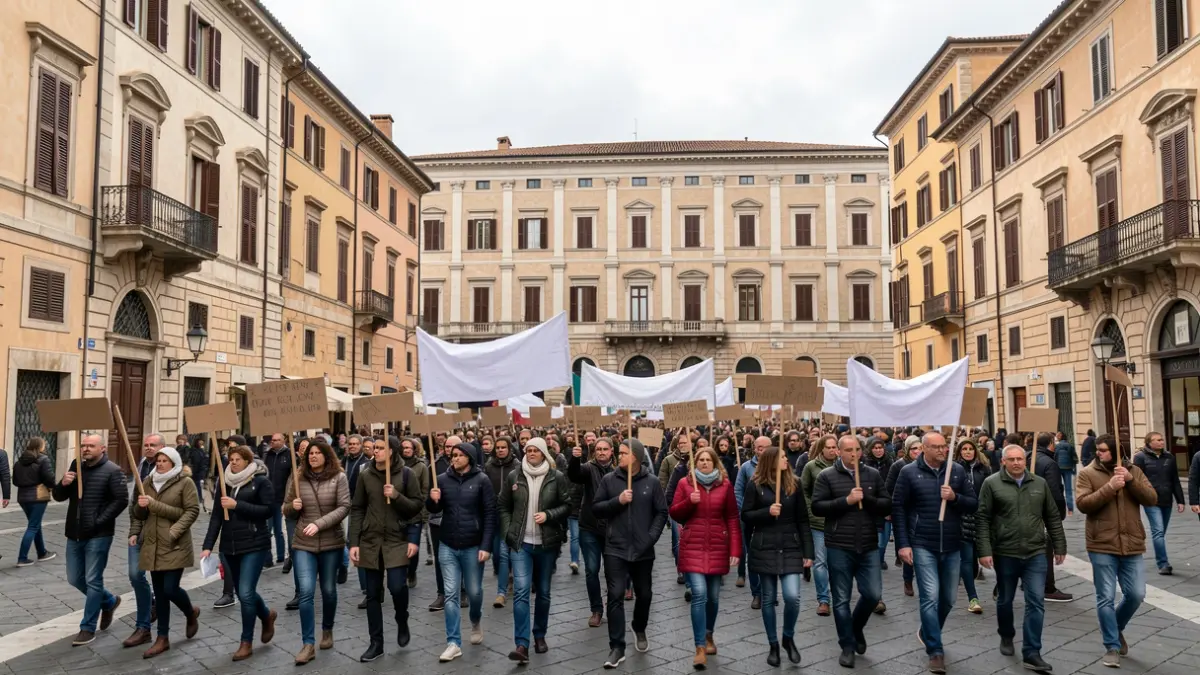
Citizen participation will be one of the central elements of the process. The City Council plans to involve associations, companies, educational centers, and social entities, as well as the general population. To facilitate this involvement, the campaign “The City Council in the Neighborhood” will be launched, through which members of the municipal government will visit different neighborhoods to collect proposals, concerns, and suggestions directly from citizens.
The elaboration process will extend from April 2026 to February 2027 and will be structured into four phases: a first analysis of the current situation, a second focused on participation to define a shared vision, a third on strategic elaboration, and finally, a phase dedicated to concretizing the action plan with priority projects and evaluation mechanisms.