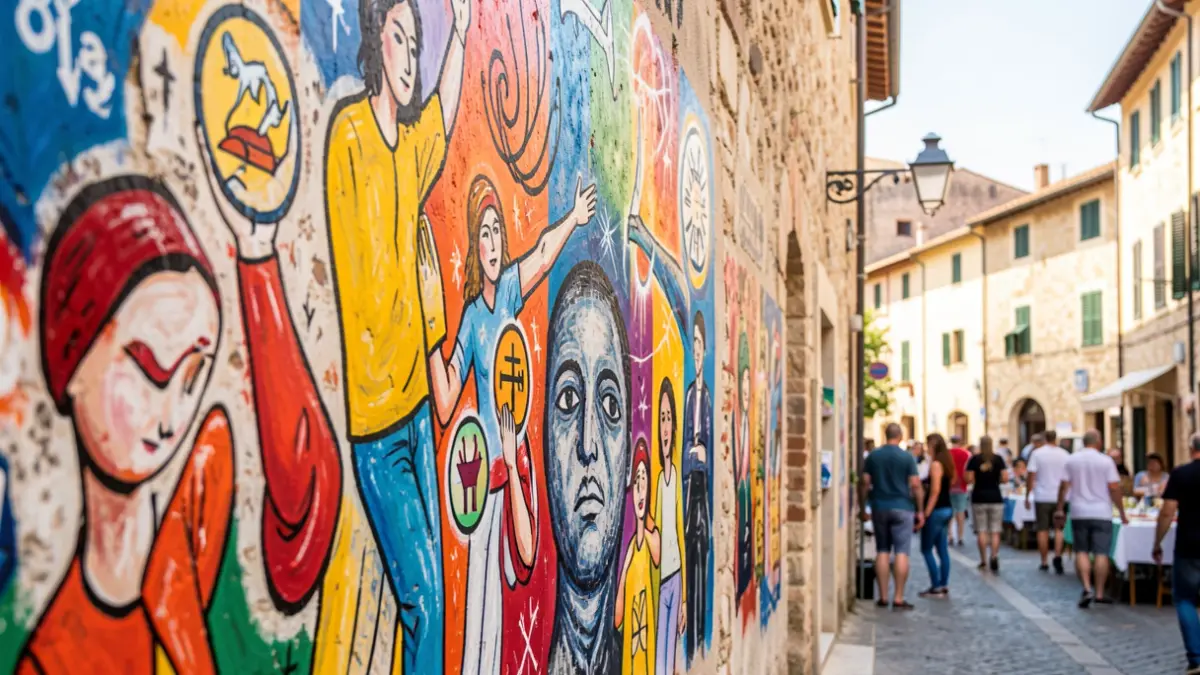
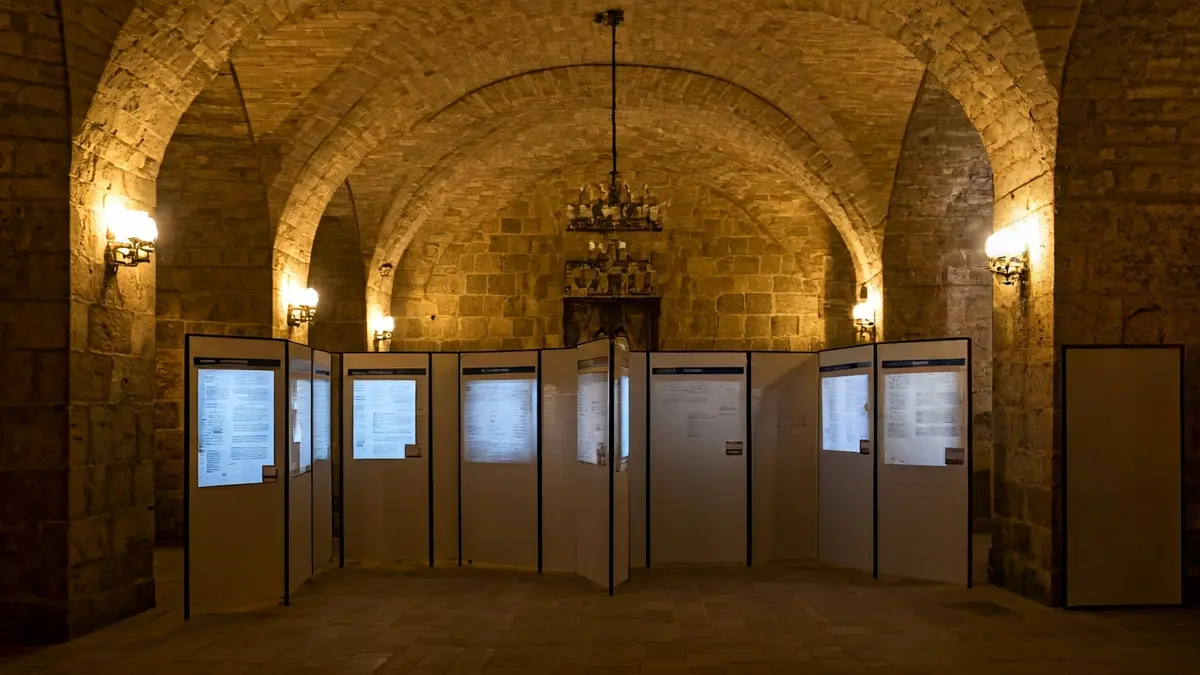
The exhibition offers an informative journey through the main historical milestones of European integration, with panels explaining the chronology of the treaty signed in 1985 and the transformations it has brought about in the economic, social, and political spheres. It also focuses on the modernization of public services and advancements in territorial cohesion.
“"For Valencians, that signing 40 years ago was the commitment of a generation that decided that the Valencian Community should be one of the most dynamic regions of the European Union."
Gil noted that this exhibition shows that behind every investment there is a story of effort and an accelerated modernization of our public services. He added that, if Europe was born to erase borders between countries, this philosophy is applied to erase inequalities between municipalities, preventing postal codes from limiting anyone's dreams.
For his part, the mayor of Gandia, José Manuel Prieto, emphasized that accession to the European Union was an essential milestone for economic, social, and human progress, highlighting the role of European funds in the city's transformation. He recalled that Gandia has developed numerous projects financed with European resources, from urban regeneration actions to recent initiatives linked to Next Generation funds, which have enabled 27 actions worth 26 million euros in mobility, public spaces, sustainable tourism, and neighborhood rehabilitation.
The Director General of Representation to the European Union, Autonomous Communities, and External Action, Raquel Aguado, underscored the importance of bringing Europe closer to citizens and affirmed that the European Union has contributed decisively to economic development, international openness, and the consolidation of the welfare state.
The Generalitat, promoter of the initiative, is organizing itinerant exhibitions on this anniversary that are being loaned to different municipalities in the Valencian Community with the aim of disseminating the process of European integration and its benefits. The exhibition will remain open to the public in the Sala dels Arcs as a space for dissemination and reflection on the past, present, and future of the European Union and its impact on citizens' daily lives.