Following the official inauguration, the shelter will be open for visits every Tuesday and Sunday from 10:00 AM to 1:00 PM. Admission is 2 euros in cash. Additionally, during these hours, guided tours will be offered at 10:00 AM, 10:50 AM, 11:50 AM, and 12:50 PM, for the same price.
This initiative is part of the program organized for International Museum Day and represents another step in the recovery and enhancement of Spanish Civil War heritage in Cullera. The site, restored thanks to funding from the Diputación de Valencia and with a project drafted in collaboration with the Universitat Politècnica de València, will now allow visitors to learn firsthand how the Valencian coastal defense was organized against bombings and naval attacks during the conflict.
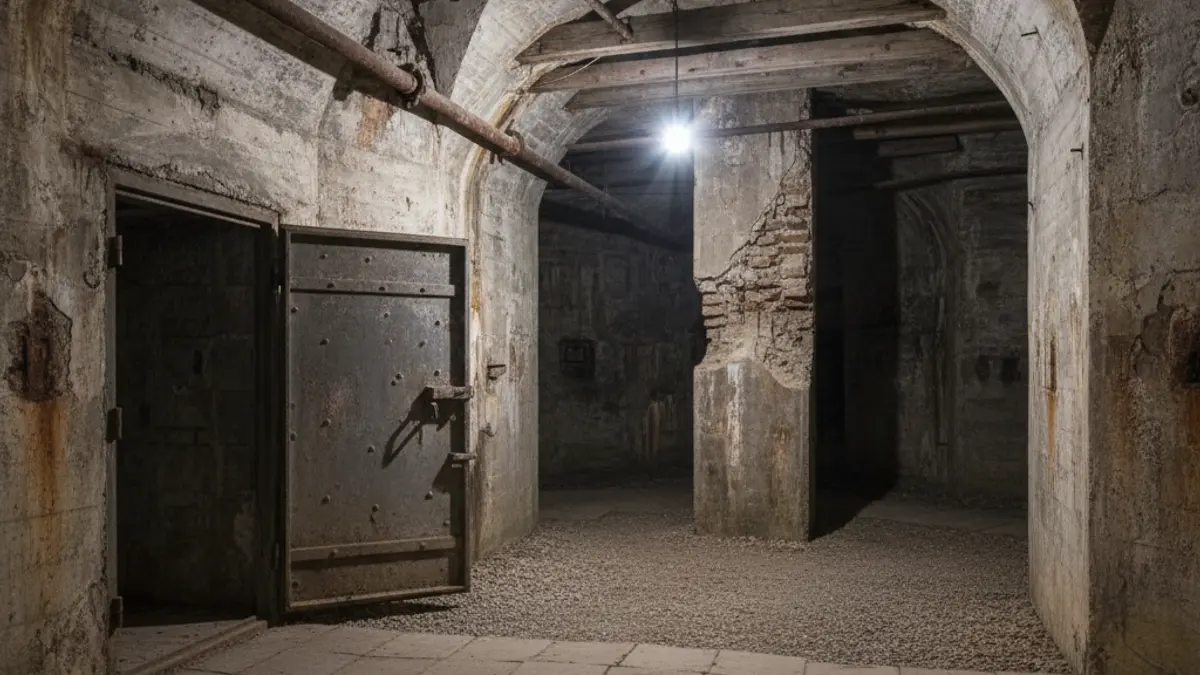
The intervention has allowed for the restoration of both the exterior coastal battery and the underground gallery that served as a powder magazine and shelter for the guard corps. Furthermore, access roads and viewpoint paths have been adapted, incorporating signage and safety elements to facilitate visits. According to the city council, the work has been carried out following strict historical fidelity criteria, removing inappropriate additions from previous interventions and restoring the original image of the defensive complex.
The shelter is located next to the Ermita de los Navarros, beneath the mound that today forms part of the Faro viewpoint. The complex consists of an ammunition store with an elevator, two artillery platforms, and a bunker used as a command post and visual control of operations. The infrastructure was built by the Republican Government after its establishment in Valencia, as part of the defensive system erected to protect the Mediterranean coast from air and naval attacks suffered during the Civil War, especially those carried out by Mussolini's Italian air force from the Balearic Islands.
The recovery of this enclave joins that of the air-raid shelter located beneath the Jardines del Mercado, in the Plaza de la Virgen, another historical site recovered in recent years in the city. Both spaces consolidate a heritage itinerary linked to democratic memory and the recent history of the municipality, allowing residents and visitors to better understand how the town experienced one of the hardest episodes of the 20th century.