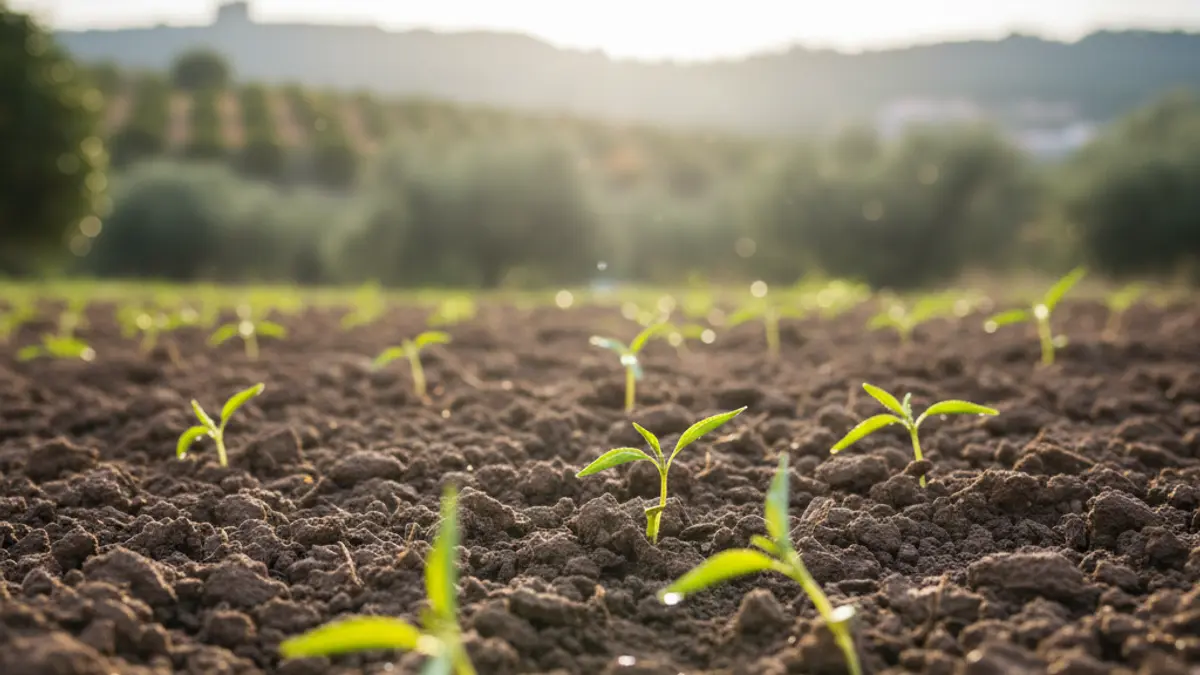
The director general of Industry and the Food Chain and the director of IVIA presented in Requena the results of the study Impact of the DANA on vineyards and other woody crops and establishment of action protocols. This work, focused on evaluating the consequences of the 2024 floods on agricultural soils, concluded that their suitability is optimal.
“"This is an exhaustive analysis of samples that allows us to confirm the high resilience of Valencian agricultural soils."
The project coordinator, head of the Sustainable Agriculture Unit of the Advanced Agrotechnologies Center, explained that the study was initiated to assess the impact of the DANA on the productive capacity of soils and food security of crops across approximately 160,000 hectares. This was done through comparative analysis of soil, water, and plant material samples from affected and unaffected plots.
In the upper and intermediate regions, the torrential rainfall caused erosion and runoff in rainfed agriculture, primarily vineyards, olive groves, and nuts. In contrast, in the lower regions near L'Albufera and the Riberas Alta and Baja, flooded areas were sedimented with soil and plant debris carried by the water.
IVIA researchers detailed the sampling methodology and noted that analyses did not detect significant effects attributable to flood runoff. Furthermore, it was confirmed that heavy metal, hydrocarbon, and microbiological parameters in the soil are within established regulatory limits, demonstrating the good quality of Valencian soils.
The meeting concluded with a round table where representatives from the agricultural sector, cooperatives, professional organizations, and researchers shared experiences and proposals to improve responses to potential future extreme climatic events.