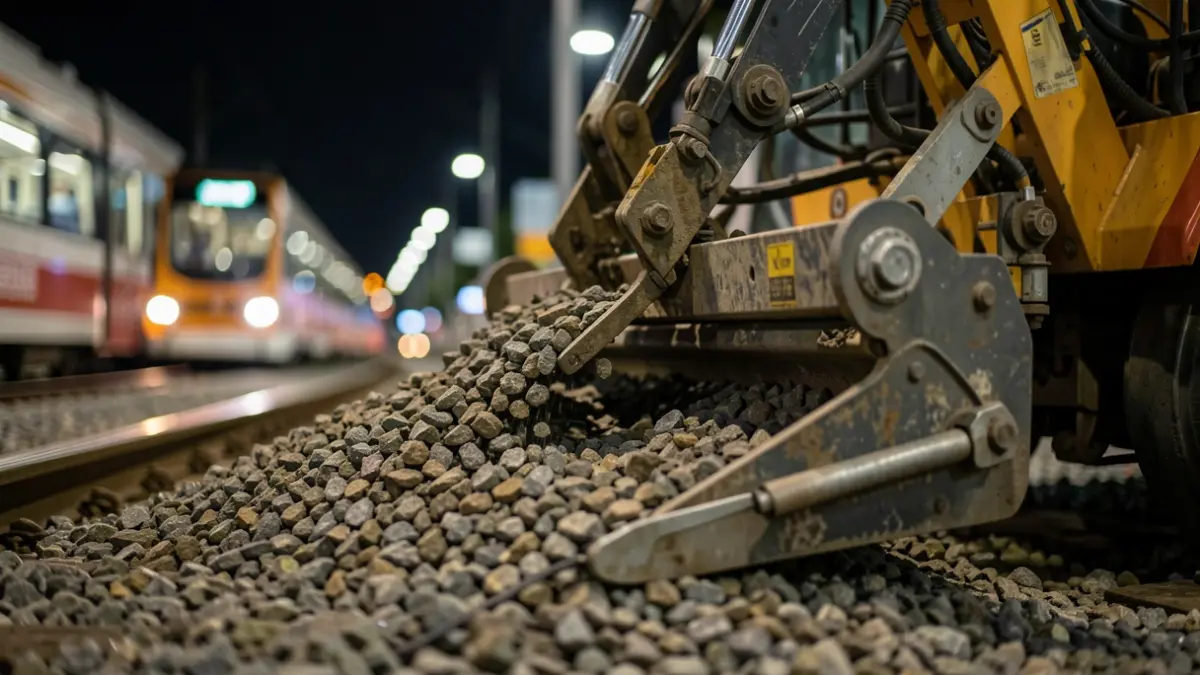
Ferrocarrils de la Generalitat Valenciana (FGV) is carrying out ballast tamping operations on several sections of the TRAM's Line 9, which connects Benidorm and Dénia. These activities, conducted in the early morning hours to avoid disrupting regular service, primarily aim to stabilize the trackbed, reduce vibrations, noise, and excessive wear on train and tram wheels.
The tamping technique involves moving the ballast (the gravel supporting the track) to achieve better leveling and stability. This is intended to enhance passenger comfort and, crucially, lessen potential noise disturbances caused by passing trains for local residents.
These works are a response to complaints from residents in some municipalities, such as those in the La Faroleta neighborhood of Dénia, regarding train noise, particularly late at night. The Dénia City Council has committed to lodging a formal complaint with FGV concerning noise pollution.
FGV allocates 400,000 euros annually to these track maintenance and stabilization efforts on the Alicante TRAM, as part of a multi-year contract worth 1.8 million euros. This year's scheduled interventions began in March and will conclude at the end of May. In addition to ballast consolidation, shoulder ballast walls are also being conditioned to prevent material loss.
According to FGV's general manager, Alfonso Novo, these tasks, along with grinding operations, are essential for ensuring the proper maintenance of the network's infrastructure, adhering to the strictest safety and quality standards.