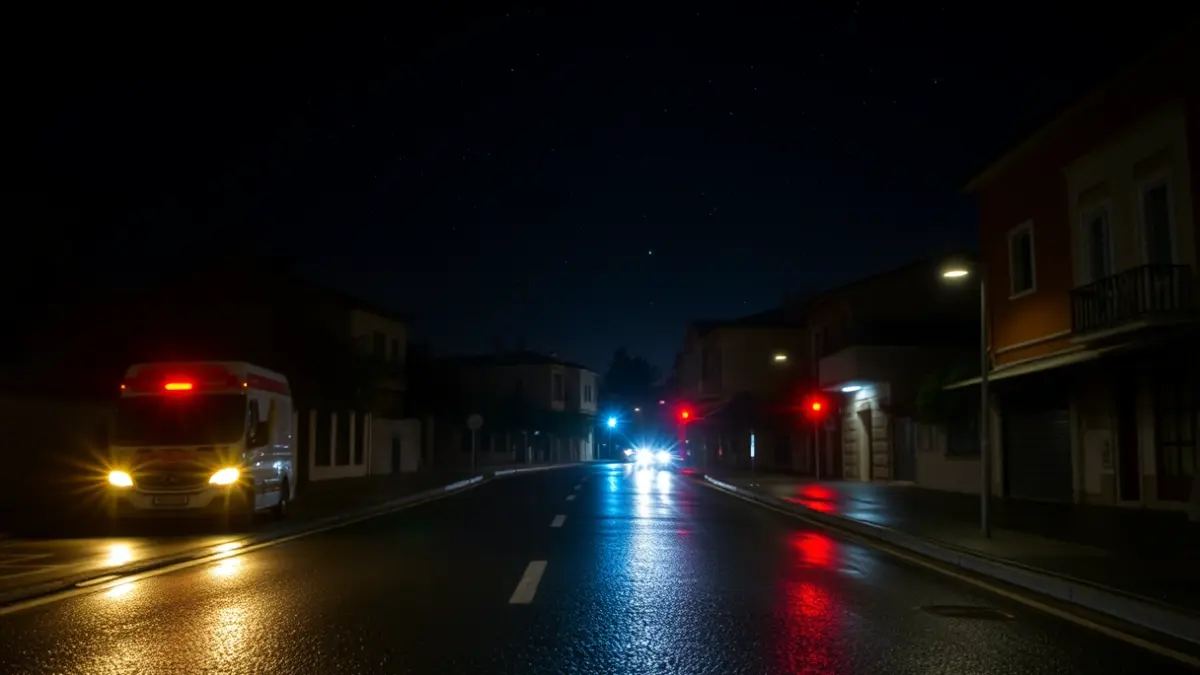
On April 28, 2025, at 12:31 PM, electricity suddenly disappeared across the entire region and virtually all of Spain. This event marked an unprecedented day of collapse, uncertainty, and improvised resilience. Extinguished traffic lights, blocked elevators, supermarkets with queues, suspended medical appointments, and municipalities without water were some of the consequences.
The interruption of the electrical supply lasted for about eleven hours, well into the night. Daily life was suspended, and the entire region had to improvise to continue functioning in a world that, suddenly, discovered its dependence on electricity for almost everything.
The first scenes of bewilderment quickly multiplied. In Dénia, firefighters had to rescue people trapped in elevators, while the Local Police deployed at conflictive intersections due to the failure of traffic lights. The Generalitat declared an emergency throughout the Valencian Community that same day, reflecting the seriousness of the situation.
The blackout not only left Marina Alta without electricity but also left many people virtually incommunicado. Phones failed and the internet struggled, causing information to circulate in fits and starts. Uncertainty quickly set in, as the population had few certainties and many questions.
One of the most visible reflections of the day occurred in supermarkets. As minutes passed, queues began to form, and basic products such as water, toilet paper, batteries, flashlights, and non-perishable foods became priorities. Commercial normalcy fractured in minutes, leaving a scene of collective perplexity.
Healthcare was one of the areas where the magnitude of the crisis was best measured. The Hospital de Dénia and the region's health centers had to reschedule appointments and non-urgent activities, although they maintained emergency care thanks to generators. In municipalities like Ondara, the blackout also caused more than three hours without water, as pumping stations were affected.
Those hours also tested the importance of public communication amidst a crisis. The silence of some city councils generated criticism and fueled the sense of bewilderment among citizens seeking guidance and explanations.
When the power returned, not everything immediately went back to normal. The next day, the economic and organizational consequences of the blackout began to emerge, with losses in shops and hospitality establishments due to damaged merchandise. Viewed a year later, the great blackout in Marina Alta was a stress test for the territory, revealing its absolute dependence on electricity and the importance of contingency plans.