One night in August 1993, Juan, a 27-year-old known as Juanito, was murdered by his own family in Dénia after an argument. The crime was followed by dismemberment and a clandestine burial in the yard of the family home, located on Hospital street, near the walls of Dénia Castle.
At least three people were involved in the crime: the father, Juan; the mother, Antonia; and a sister, Mariluz. For years, they lived with the skeletal remains without informing the victim's other seven siblings, who constantly asked about Juanito's whereabouts.
In the year 2000, pressured by her other children, Antonia filed a fictitious missing person report with the National Police. The report did not proceed, as he was an adult and the disappearance could have been voluntary. However, inquiries were made among the neighbors in the Les Roques neighborhood.
Shortly after, the family left the house. Before leaving, Juan Sr. covered the spot where he had buried his son with a ladder. The father passed away in 2009.
On January 1, 2026, Mariluz, the implicated sister, decided to confess. According to her account, she and her parents are responsible for the crime, allegedly occurring due to Juan's drug addiction. The confession points to the father as the one who dismembered the body with large knives, although it is unclear who committed the actual murder.
Despite Mariluz's confession, the case has not been judicially reopened, as the Penal Code sets a twenty-year statute of limitations for these offenses, and the judge considered it had already expired in 2013.
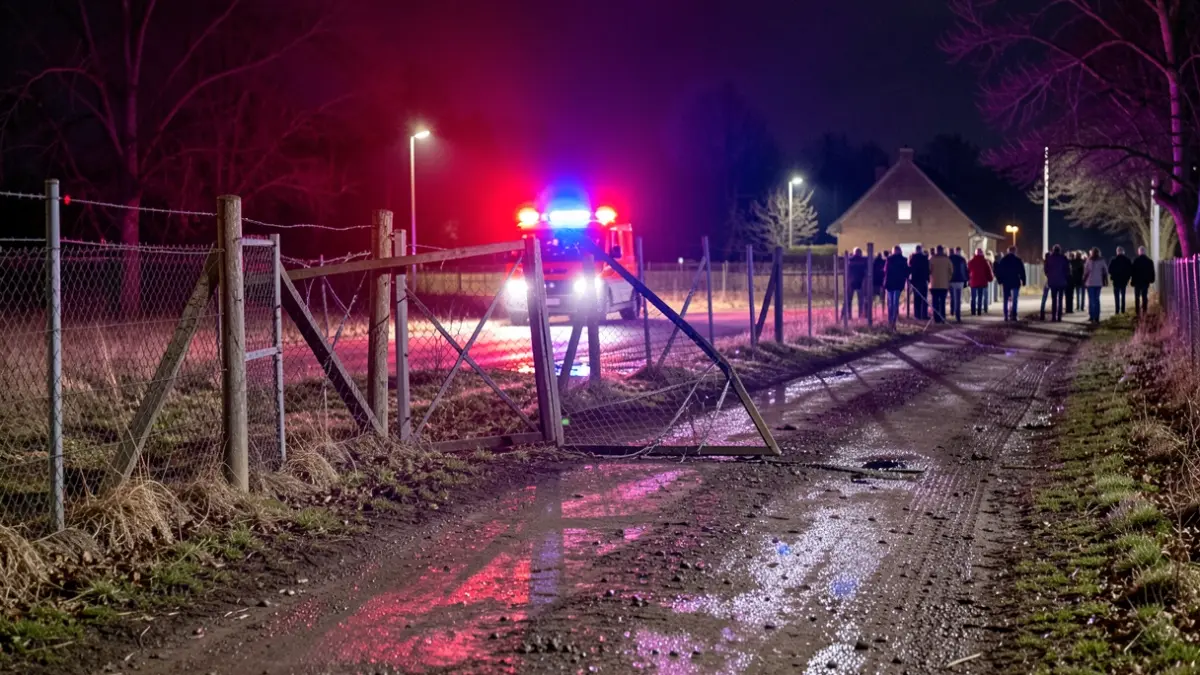
The family, indignant at the potential impunity, decided to act on their own. They hired a company and began excavating the property, which has undergone substantial renovations since the crime. On June 3, 2026, about five bones were found.
The Police have collected the remains, which will undergo DNA analysis to confirm the date of death and the victim's identity. The family, who have provided saliva samples, hopes to finally bury Juanito in peace.