
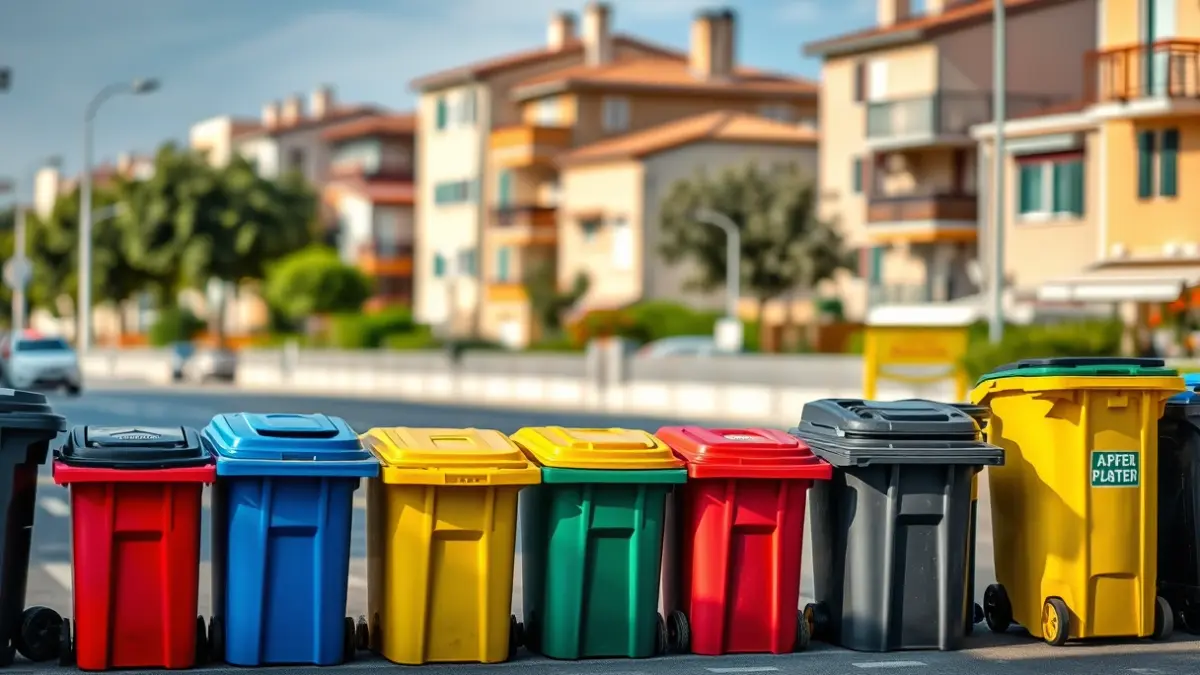
Years ago, the Mancomunidad de la Canal de Navarrés approved the implementation of a door-to-door waste collection system to meet the waste reduction targets mandated by the European Union. After a period of preparation and community talks, the mass distribution of bins to families has triggered a signature collection campaign aiming to halt the service.
The platform channeling the opposition, based in Navarrés, has gathered hundreds of signatures from the seven municipalities in the region. The opposition document argues that such a far-reaching measure should not be adopted without sufficient information, real public debate, and a serious assessment of its practical impact. Among the reasons cited are alleged hygiene and health problems, and reduced convenience for residents due to specific times and days for waste disposal.
Opponents of the system also express concern about "particular harm to elderly people or those with mobility difficulties," as not all residents can easily manage waste separation, storage, and disposal under a rigid schedule. Furthermore, they point to an "impact on intimacy and privacy" by exposing domestic habits and personal routines when waste is left at each home's door.
“"The visible accumulation of bags, bins, or containers in the streets can harm the visual cleanliness and general appearance of the town."
The document requests that the system not be implemented without listening to residents, that a process of real information and participation be opened with public meetings, and that more practical, clean, convenient, and suitable alternatives be studied. They also ask for the technical and economic reports justifying the need for this system to be made public.
However, the Waste Management Plan of the Mancomunidad de la Canal de Navarrés, prepared in 2021 by a specialized environmental management consultancy, concluded that the door-to-door model "is the most effective option for waste separation at source." Currently, selective collection in the region barely reaches 14%, far from the legally required percentage, and the new system is expected to reach 70%.
The reduction of non-recyclable waste should also lead to a decrease in residents' bills, as observed in a similar experience implemented in several municipalities in the Ribera region. There, the door-to-door system has quadrupled organic waste collection and significantly reduced the amount of improper waste, lowering the fees paid by families.
The PSOE of Anna has called for calm and responsibility, questioning the "disinformation campaign on social media." Socialists emphasize that the system is "backed by technical and economic reports and with the consensus of the Mancomunidad," and that citizens have been informed through meetings in all towns. They stress that the increase in the bill was inevitable to avoid European Union sanctions for failing to meet recycling targets.