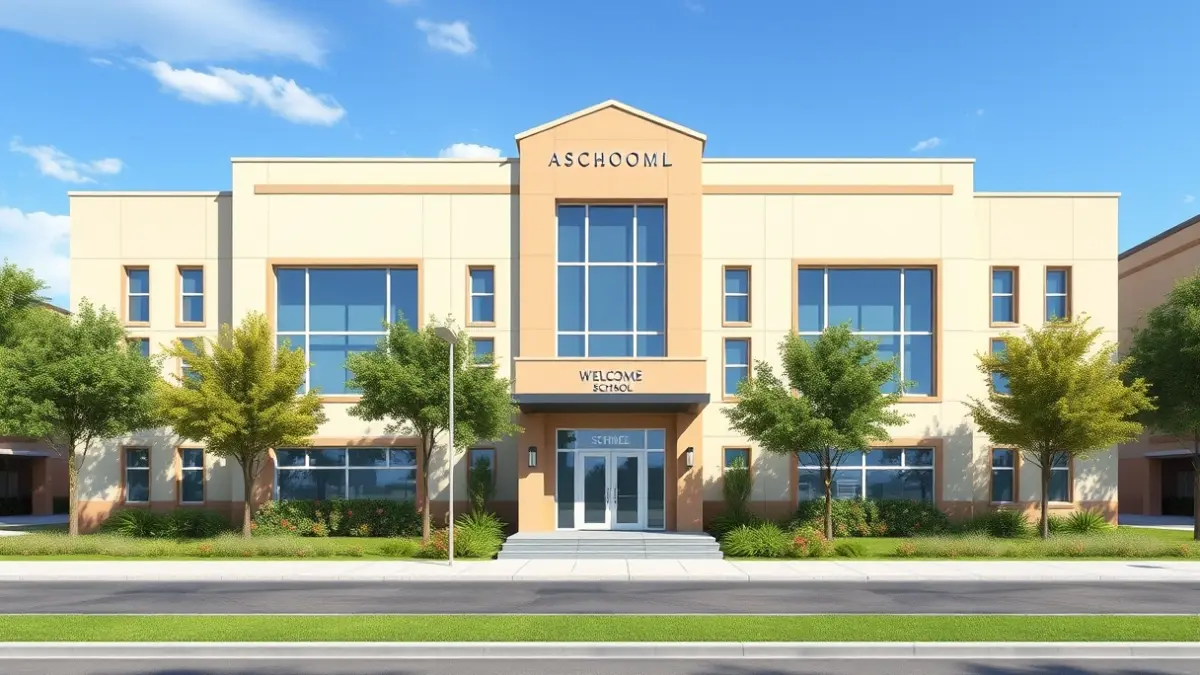
This project, with its valued report accepted by the Ministry and the technical project already drafted, aims to provide a permanent construction of higher quality, capacity, and durability. The works, estimated to take one year to execute, will significantly expand the available facilities with new classrooms, common areas, and services adapted to the contemporary needs of permanent education.
The Public Adult School of Sedaví, founded in 1981, is a key institution for the social cohesion of the municipality. Nearing its 45th anniversary, it has educated residents of Sedaví and nearby towns, adapting over time to different locations until its current site on Germanies Street. Currently, it has over 450 students distributed across 25 courses, with a teaching team composed of professionals from the city council itself and the regional ministry.
Its educational program ranges from basic literacy to preparation for university access for those over 25 years old, also including obtaining a Secondary School diploma, language training in English and Valencian, digital skills, and integration courses for immigrants. Furthermore, it allows older people to remain intellectually active through initial training and cognitive stimulation programs.
“"Beyond academic training, the school performs an important social function by offering a second educational opportunity and comprehensively addressing the needs of students. It is also a cultural driving force that actively participates in municipal initiatives and activities such as FES Educació, the Voluntariat pel Valencià, cultural events, or exchanges with other EPAs, but above all, it creates community."
“"The human value of the center is reflected in the stories of its students, some of whom have been part of the school for decades. For many, this space becomes a second family, where they feel supported and find motivation and meaning through learning."
The decision to construct a permanent building responds to a vision for the future. The mayor emphasized that Sedaví deserves durable educational facilities that are not vulnerable to adverse weather conditions and that convey to its students that their education is a real priority, not a provisional solution. Investment in permanent education is an investment in human capital.