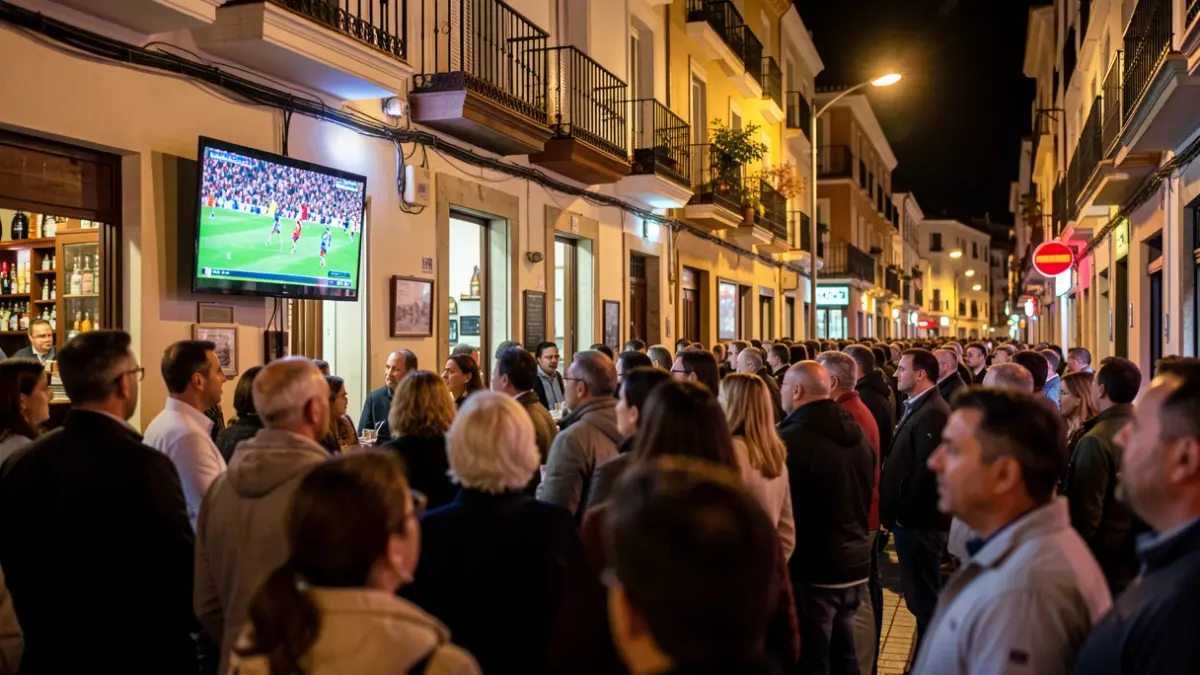
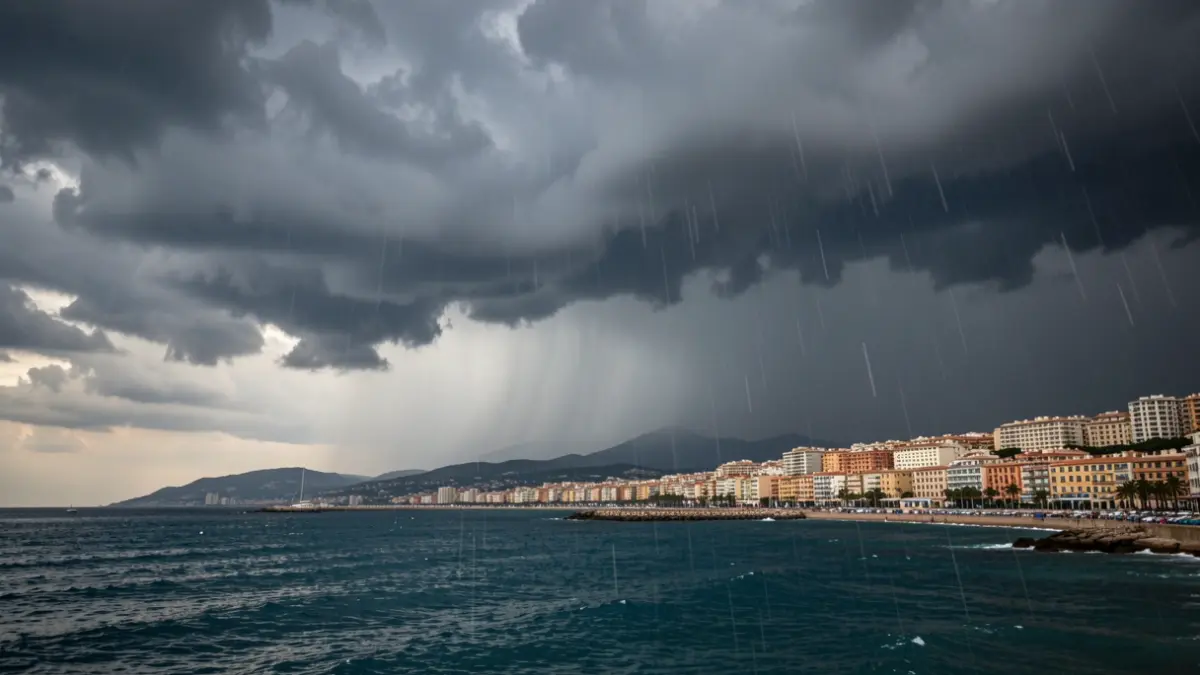
The Espai Ciència at the Centre Octubre de Cultura Contemporània (OCCC) hosted this Tuesday, June 9, the presentation of the report Allò que hem d’aprendre de la dana (What We Must Learn from the DANA) from Valencia. This publication, a collaboration between the Institut d’Estudis Catalans (IEC) and Publicacions de la Universitat de València (PUV), offers a detailed analysis of the floods of October 29, 2024, addressing their environmental, social, and economic consequences.
The event, marked by a strong emotional charge, featured prominent figures such as Carlos López Olano, Vice-Rector for Communication, Participation, and Transparency at the Universitat de València; Juli Peretó, Professor of Biochemistry and Molecular Biology at UV and delegate for the IEC in Valencia; Jaume Guillamet, curator of the work and president of the IEC's Section of Philosophy and Social Sciences; Anna Oliver, president of Acció Cultural del País Valencià; Teresa Cabré, president of the IEC; journalist Reis Juan (as moderator); and co-authors Francesc Martínez Sanchis, Josep Lluís Miralles, and Francesca Segura.
The Informes de l’Institut d’Estudis Catalans collection is an annual initiative that addresses current topics from a multidisciplinary perspective. The new volume compiles reflections from twenty-five authors on the DANA, many of whom participated in colloquiums held six months after the flood. The report offers a calm and documented analysis of the facts, causes, effects, and consequences, including well-founded proposals to prevent the recurrence of damage. The publication is freely accessible through the IEC's publications portal.
“"To serve as a memory, so that what happened, and especially how it happened, cannot happen again."
The discussions included, followed by over 2,000 people, featured the Scientific and Innovation Culture Unit of the Universitat de València, Acció Cultural del País Valencià (ACPV), the magazine Mètode, the delegation of the Spanish National Research Council (CSIC), and the Fan Set bookstore. The work aims to serve as a basis for facing the risk of future floods with greater preparation and promoting the dissemination of preventive measures.
“"The human losses were entirely avoidable. With 230 deaths and thousands of affected people, the terrible DANA catastrophe caused special consternation among experts, technicians, and scientists. Prior knowledge of the danger, experience from previous floods, and timely warnings from meteorological services should have ensured a reaction that mitigated the effects."
Carlos López highlighted the importance of the Universitat de València's participation in a research and transfer project rooted in society, which fills a gap in remembering the victims. For her part, Reis Juan emphasized that while a DANA cannot be prevented, its catastrophic consequences could have been avoided, and work can be done to prevent its recurrence. The final conclusion is that, if the lesson has been learned, a catastrophe of this magnitude should not happen again in Valencia or elsewhere.
The event concluded with the symbolic handover of the report to five associations and collectives working on the reconstruction of the affected areas. Among the expert voices from the Universitat de València contributing to the work are Albert Moncusí, Josep Vicent Boira, Francesca Segura, Francisco Pérez, Maria Antònia Rodrigo, Francesc Martínez, Maria Josep Cuenca, José Ramón Bertomeu, Álvaro Morote, Gustau Camps, and Olga Mayoral.