
Enguix warned that, without the necessary support for this entity responsible for biological tests, many families will continue to wait to recover their loved ones, a recognition she considers just.
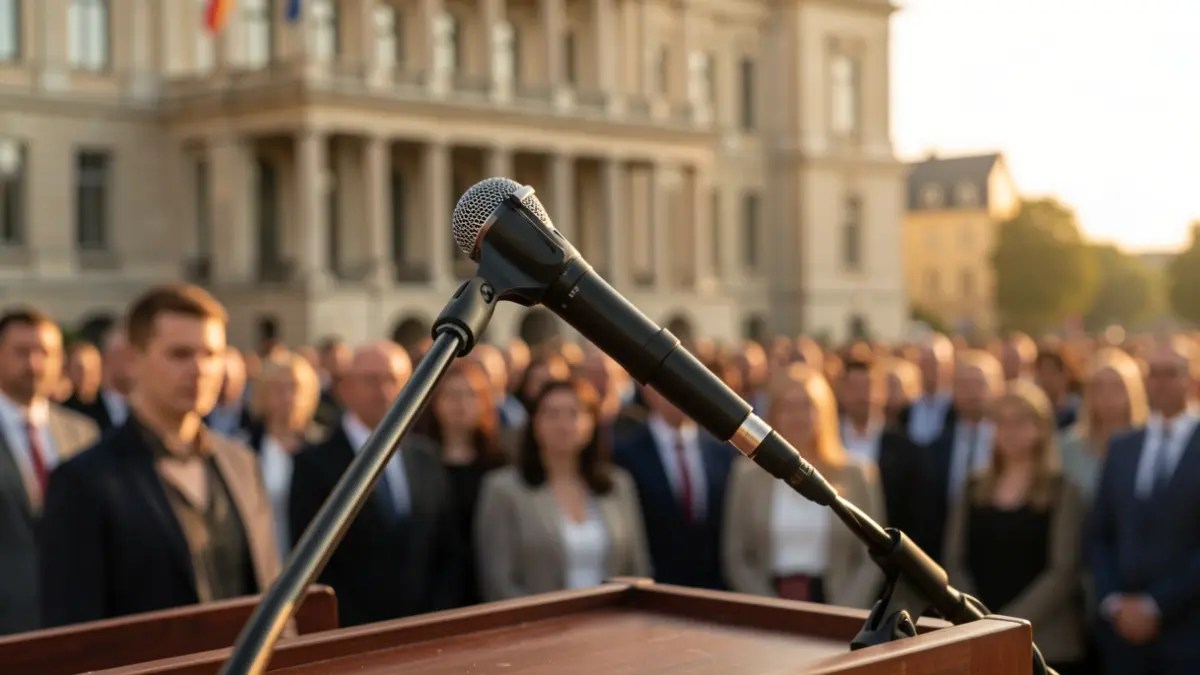
These statements were made during the ceremony for the handover of the remains of Vicente Ribelles and Juan Moya Gandía to their families, an event that the vice-president described as an important step for democratic memory and justice.
“"Both were victims for their ideas and their recovery represents progress against decades of prolonged oblivion."
Given the reduction of aid from other administrations, Enguix noted that the Provincial Council has reinforced these policies, raising the budget for Democratic Memory to over two million euros annually, with the aim of guaranteeing the continuity of exhumation and identification processes.
Furthermore, she insisted that these actions should not depend on specific decisions, arguing that democratic memory constitutes an institutional obligation. In the educational field, Enguix highlighted the need to develop the Democratic Memory Law from a pedagogical perspective, incorporating these contents into the educational system so that new generations know the complete history.
To this end, the Provincial Council promotes initiatives such as Memòria a l’Escola, democracy laboratories with the Baltasar Garzón International Foundation, or Missions de la Memòria, which brings testimonies to educational centers. These actions are complemented by cultural projects such as María la Jabalina, the International Congress of Democratic Memory, or the exhibition dedicated to photographer Luis Vidal Corella.
New dissemination formats aimed at young audiences are also being explored, such as the podcast Mural Memorialístic Valencià or the space El Mur on À Punt Radio, with the aim of bringing memory closer through different educational and cultural channels.