
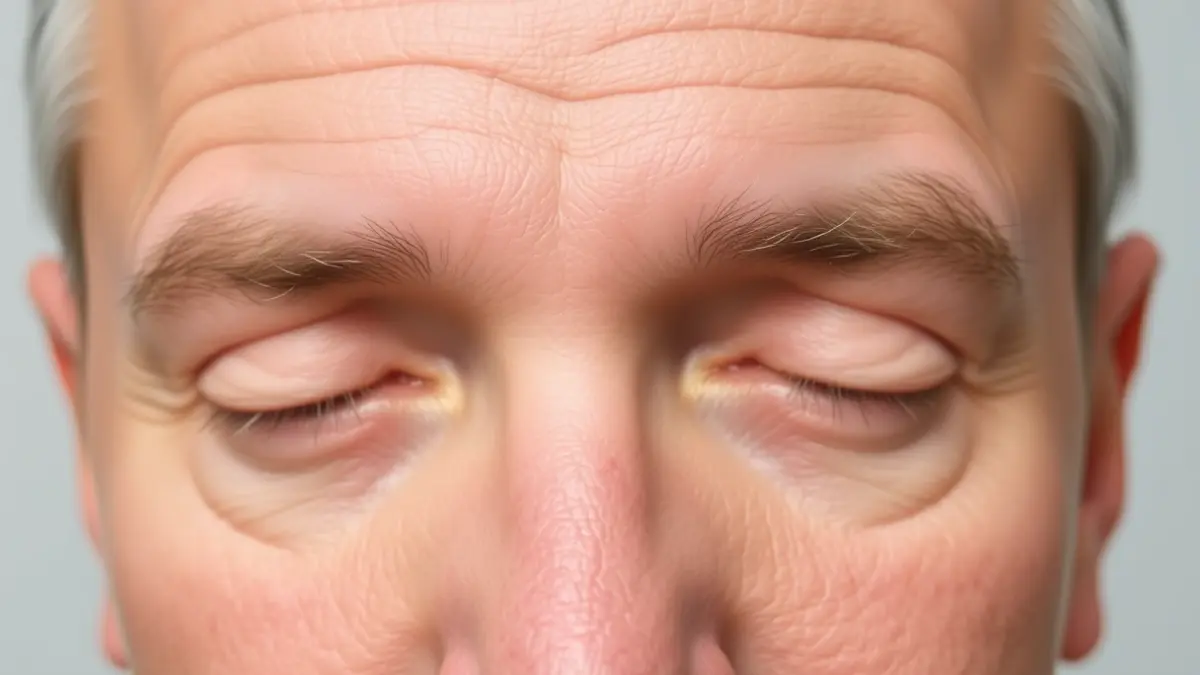
Botox, traditionally associated with women, is no longer an exclusive treatment for them. Male aesthetic medicine is booming in the Valencian Community, especially in minimally invasive procedures such as botulinum toxin, which are increasingly requested by men.
According to data from the International Society of Aesthetic Plastic Surgery (ISAPS), botulinum toxin continues to be the most performed non-surgical treatment worldwide, with 7.8 million procedures in 2024, and with a progressive increase in demand among the male population. Men in Valencia seek natural rejuvenation without losing expressiveness.
Currently, between 20% and 25% of non-surgical aesthetic treatments are already performed on men, a growing figure that is also reflected in Spain and the Valencian territory, where an aesthetic based on naturalness and discreet rejuvenation is consolidating.
“"Most men request treatments that help them look more rested and soften wrinkles without losing their expressiveness or facial identity."
Botulinum toxin is especially effective for dynamic wrinkles such as crow's feet, forehead lines, or frown lines, provided it is applied in a personalized way and adapted to male anatomy. Between 30 and 45 years old, the treatment is used with a preventive approach, while in men between 45 and 65 years old it helps soften deep wrinkles and provide a more relaxed and rejuvenated appearance.
Beyond aesthetics, botox has also established itself as an effective solution for axillary hyperhidrosis, a problem that significantly affects quality of life. According to specialists, in consultation there can be twice as many men seeking treatment for excessive sweating compared to those doing so for aesthetic reasons, especially among professionals who work with the public, athletes, or artists. The effect of the treatment usually lasts for about six months, becoming a safe option when other treatments have not worked.
In parallel, aesthetic medicine has evolved towards what is known as “functional rejuvenation,” a trend that seeks to improve facial expression without transforming it, maintaining the patient's identity and slowing down aging naturally. Experts agree that the success of the treatment lies in personalization and precise application, moving away from the artificial results of the past and opting for a more discreet aesthetic adapted to each person.