The participation of fishing guilds and sea professionals has become a fundamental pillar for the development of this recovery project. The initiative, ongoing since late 2022, has allowed for the collection of relevant information on the presence and distribution of these species along the Valencian coast.
Professional fishermen act as sea sentinels, detecting accidentally caught specimens and providing key data to better understand the populations' situation. Thanks to this joint effort, individuals caught are recovered and returned to the sea, in addition to generating scientific insights into their biology and distribution areas.
“"Collaboration with the fishing sector in this project is fundamental to advance knowledge of the species and strengthen their protection."
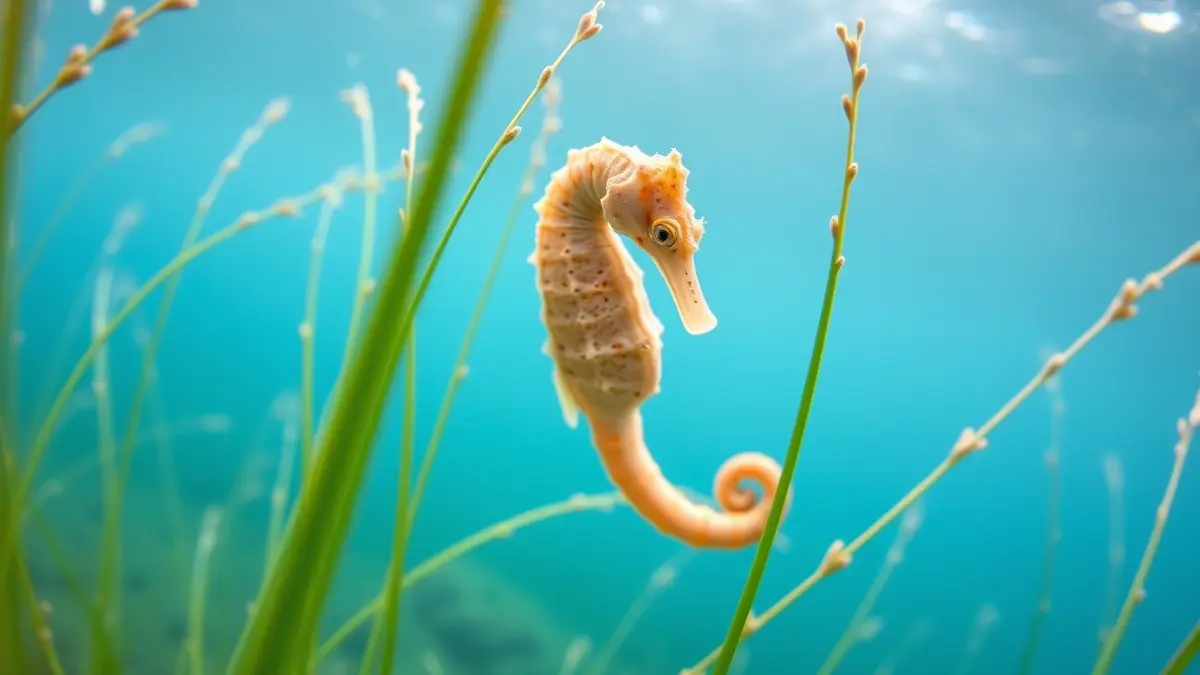
The two beneficiary species, Hippocampus hippocampus and Hippocampus guttulatus, are in a near-vulnerable situation according to the International Union for Conservation of Nature (IUCN) Red List of Threatened Species. The lack of updated scientific data prevents a more precise determination of the actual state of their populations.
When a fisherman finds a seahorse in their nets, they activate an alert protocol that allows the Oceanogràfic Foundation's rescue team to travel to the port. The animal is then transferred to the Oceanogràfic Recovery Center, where it receives specialized care before being reintroduced into its natural environment in an area close to its origin and with a suitable habitat for its survival.
In just over three years, nearly 300 specimens have been registered, creating a database on the distribution of these species along the Valencian coast. The involvement of the guilds, now reaching half of those in the Valencian Community, is crucial in this collaboration network, with ports such as Vinaròs, Benicarló, Peñíscola, Castelló, València, Gandia, Cullera, Dénia, and Xàbia standing out for their participation.