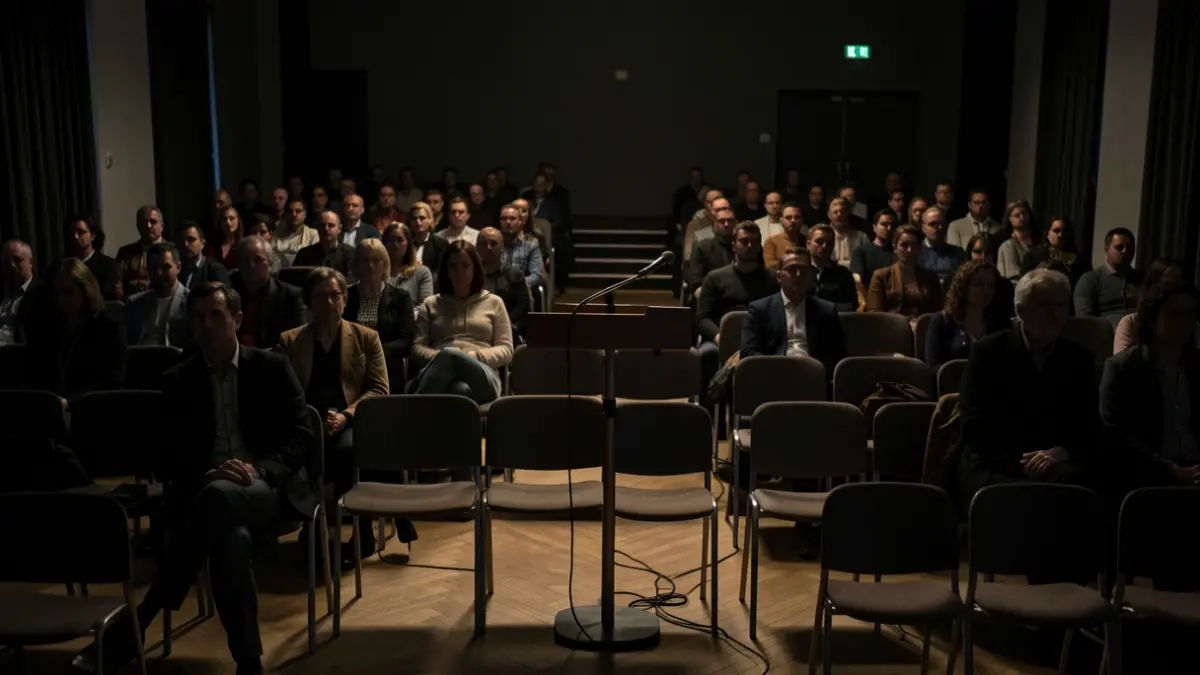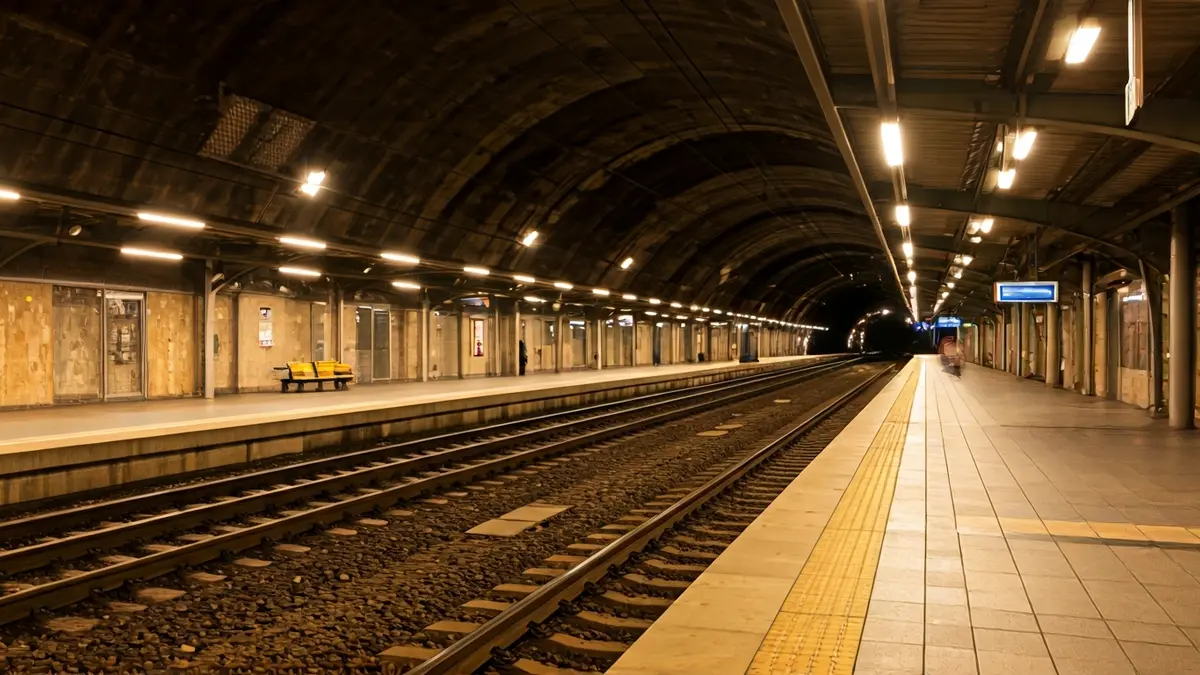
During mobility conferences organized by Esdiario, Pérez Llorca emphasized the need to improve metropolitan mobility, which faces daily issues of traffic jams and overcrowding. He highlighted planned investments in Metrovalencia for the 2026-2030 period, totaling 240 million euros, but insisted on the deficiencies of the Cercanías service, which he considers "ineffective."
“"Denouncing this situation to the Spanish Government is not a reproach; it is an obligation."
Among the projects mentioned are the E-TRAM in Elche, the underground pedestrian connection between Xàtiva and Alicante stations in València, and the expansion of tram lines 11 and 12. He also referred to the modernization of Metrovalencia lines 1 and 2, with an investment of over 50 million euros in this legislature for the renovation of electrical substations and maintenance. Furthermore, he stressed that the Generalitat is solely undertaking the duplication of the tunnel between Bailén and Alameda, budgeted at 400 million euros, under regional financing conditions that "clearly harm" the Valencian Community.
The head of the Consell advocated a mobility model that promotes cohesion and independence, allowing people to "live in one municipality and work in another." He cited as an example the 1.7 million daily public transport users in the metropolitan area of València, 800,000 in Alicante, and over 200,000 in Castelló de la Plana.
Similarly, the third vice-president and Minister of Environment, Infrastructure, Territory, and Recovery, Vicente Martínez Mus, criticized Cercanías line C-3 (València-Utiel) for remaining single-track and non-electrified, calling it "prehistoric." He highlighted the renewal of the Metrobús service, which has increased its fleet by 65%, from 116 to 192 vehicles, and has doubled the number of passengers, reaching 19 million in 2025.
“"It makes no sense; it's prehistoric."