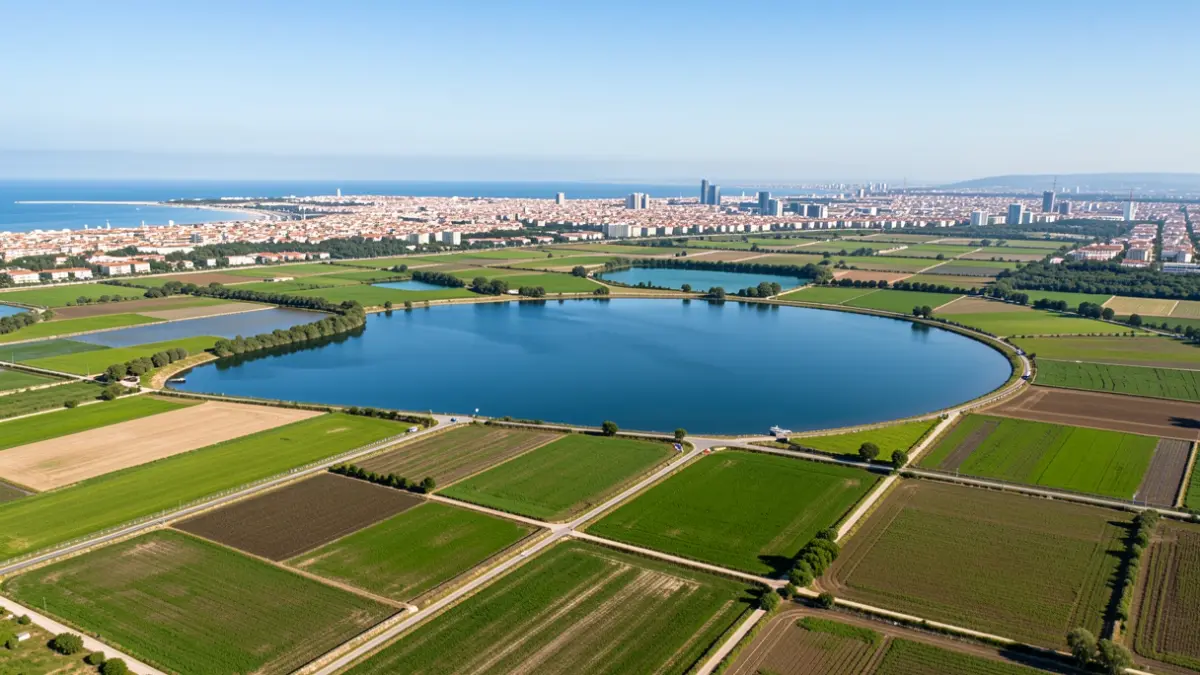
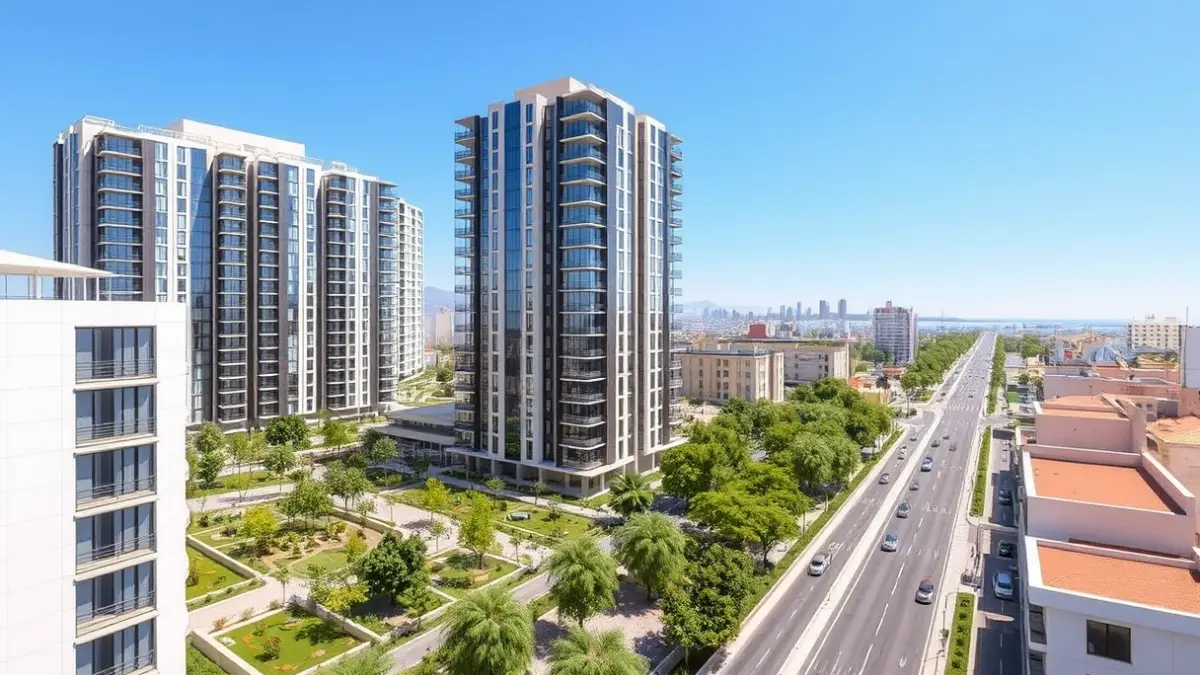
Opposition political parties have expressed their rejection of the Grao urban project, which foresees the extension of the Alameda and the construction of towers up to 40 stories high. According to the parties, this plan promotes speculation and does not guarantee access to affordable housing for the citizens of Valencia.
“"They want us to believe that donkeys fly. They sell us the Grao PAI as a great project, but what they hide is a model purely designed for speculation."
From Compromís, it is warned that the operation could displace residents from the Marítim and increase housing prices, turning the seafront into an exclusive space. The management of public land is also questioned, as despite talking about 85% public land, the reality is that building density is concentrated in height to profit from private land.
The PSOE, for its part, describes the project as an "outdated PAI from the past," and regrets the retention of a part of the former Formula 1 Circuit's trace. The socialist party believes that this plan represents a return to the urban planning model of Rita Barberá's era, lacking a future vision for the city.
“"It is an outdated PAI from the past, with the footprint of the Formula 1 circuit, which we had transformed into a bio-healthy circuit and which now remains as it is so that we all remember the darkest and most corrupt era of the PP."
Both parties agree on the insufficiency of protected housing, with only 15% planned, and the reduction of endowment housing, from 400 to 250. These decisions, according to the opposition, demonstrate a lack of commitment to the real housing needs of the population.