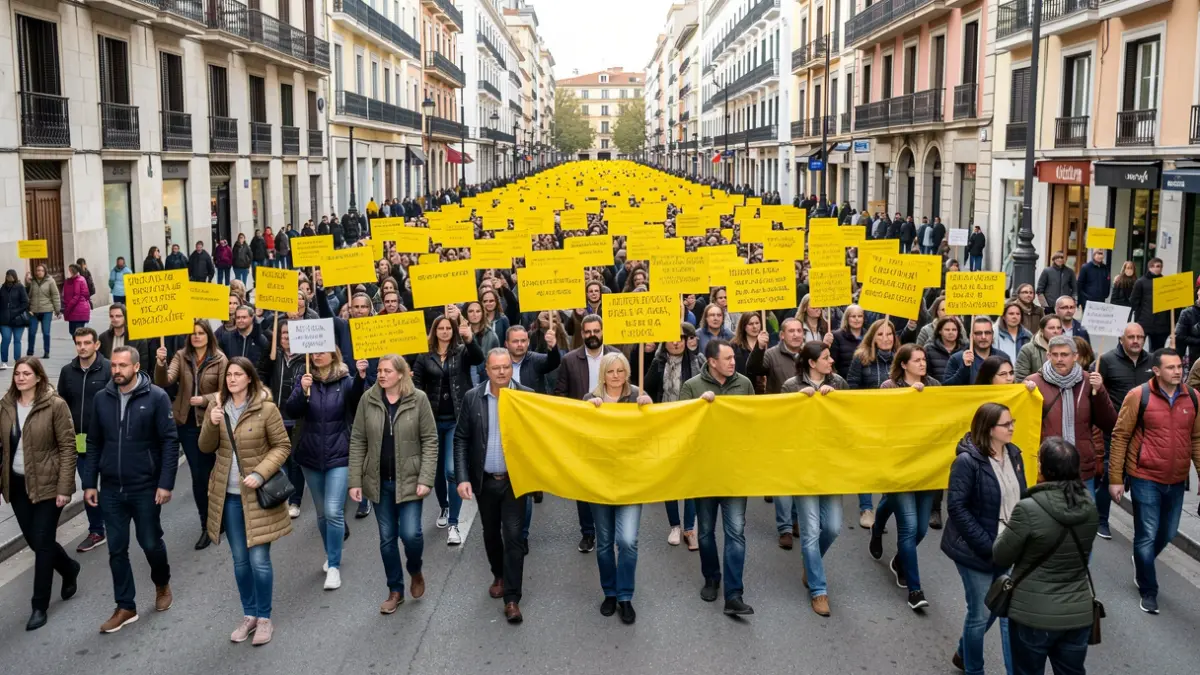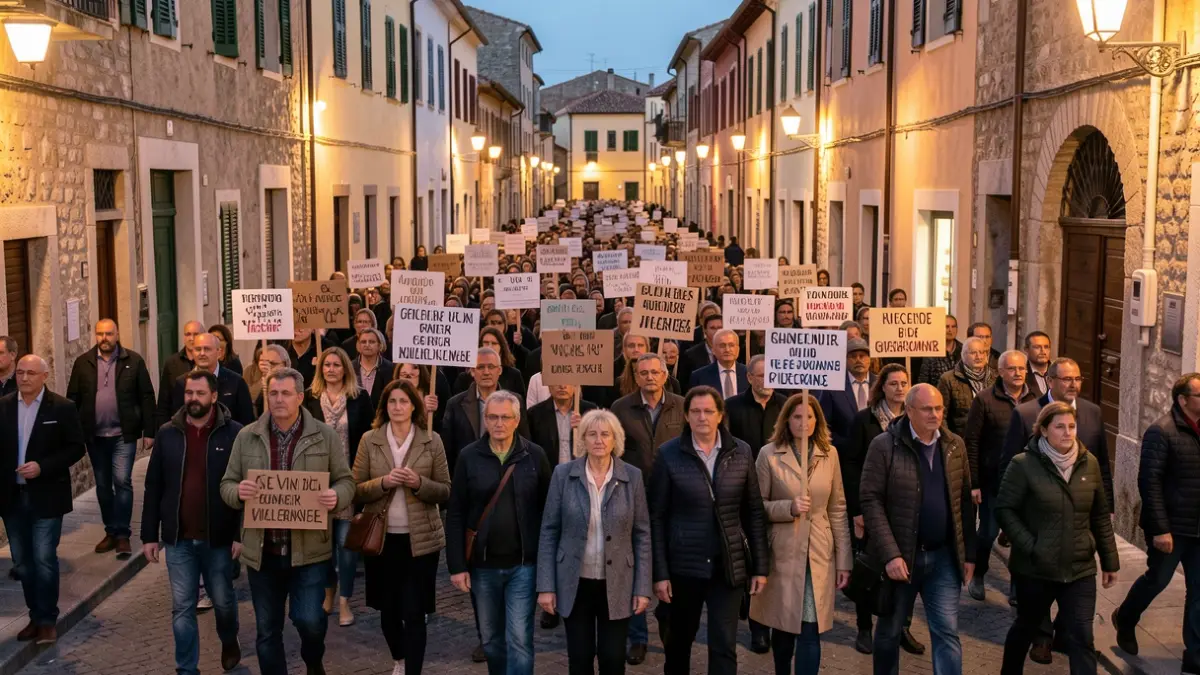
Residents of El Cabanyal-Canyamelar lament that tourist overcrowding is diluting the neighborhood's identity and that the arrival of high-income new residents is displacing the local population. This situation, according to Daniel Adell, president of the El Cabanyal-Canyamelar Neighborhood Association, is “unbearable” and manifests on several fronts.
“"Before, nobody wanted to live in El Cabanyal-Canyamelar, and now only apartment buildings for tourists are being built, with no trace of developments for local people. The children of El Cabanyal will not be able to live here unless they inherit a house."
Tourist pressure has led to an “absolutely broken” real estate market, with scarce housing supply and exorbitant prices. Furthermore, the constant presence of travelers has impacted public services, which are “clearly insufficient.” Adell points out that on weekends, residents struggle to use public transport due to the large number of tourists with luggage.
“"We are experiencing a capitalist tsunami that is unparalleled in the neighborhood."
Construction in the neighborhood continues unabated, but it is primarily for tourist accommodations and student residences, leaving no options for local residents. According to Adell, this trend originated from the management of former mayor Rita Barberá (1991-2015), who “impoverished the area” to make it attractive to large investors. Now, after neighborhood pressure saved the area, properties are being sold and rented at prices unaffordable for the working population.
The recent municipal regulation to control seasonal housing raises doubts about its effective implementation. The constant presence of rolling suitcases on the streets has transformed traditional commerce, with premises converted into luggage lockers or bicycle rental shops. The typical “cabanyaleras” taverns have given way to “cute bars or specialty coffee shops” with high prices, accessible to new residents with salaries higher than those of locals.
Regarding the absence of a tourist tax in València, El Cabanyal residents believe it shows that “they take us for fools.” For Adell, funds collected from such a tax should be allocated to reinforce public transport, such as EMT lines 31, 32, and 19, and cleaning services, as renovations and tenant changes generate much abandoned clutter on the streets.