The television program, airing on Monday, April 27 at 10:45 PM, will examine the historical evolution and current situation of female integration in celebrations such as the Moors and Christians of Alcoy, the Saguntine Holy Week, and the Misteri d'Elx.
The investigation seeks to answer whether Valencian festivals are truly egalitarian and if women and men enjoy and participate in the same way. The program aims to determine if enough progress has been made or if the feminist struggle is still necessary to ensure equality between male and female participants.
In the case of the Moors and Christians of Alcoy, celebrating its 750th anniversary, the gradual incorporation of women will be analyzed. Interviews will feature two councilwomen who were expelled from a festive event in 1979 for being women, the woman who claimed her right to form a squad, and the first female ensign of the festival.
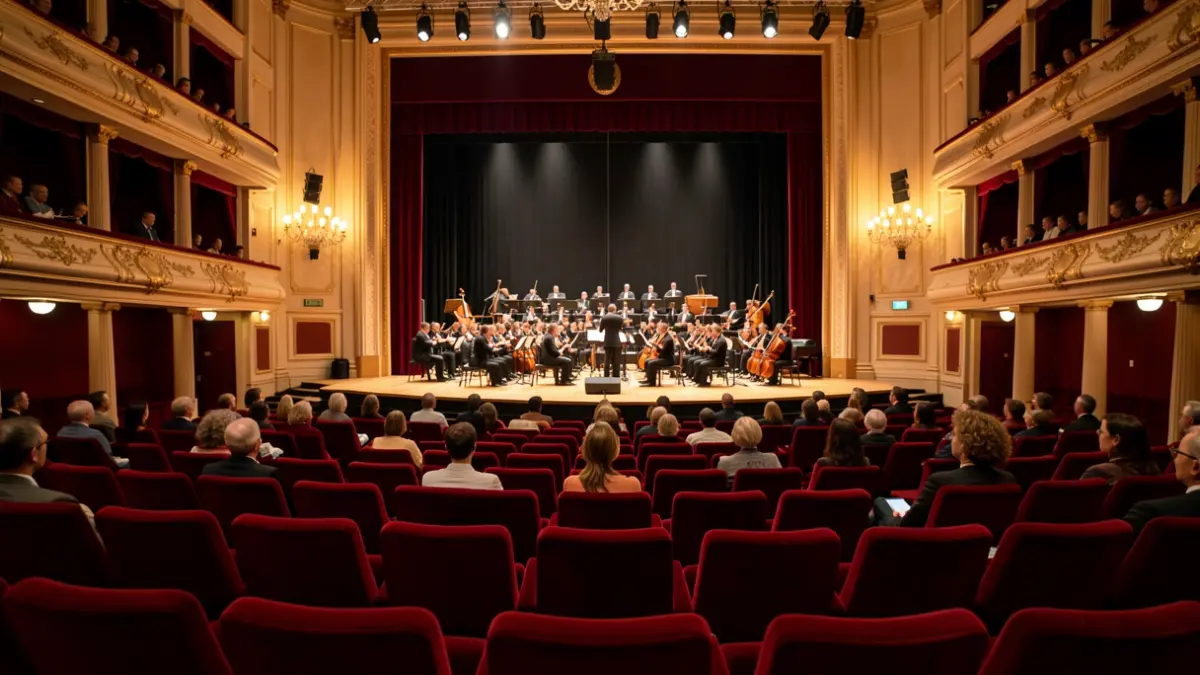
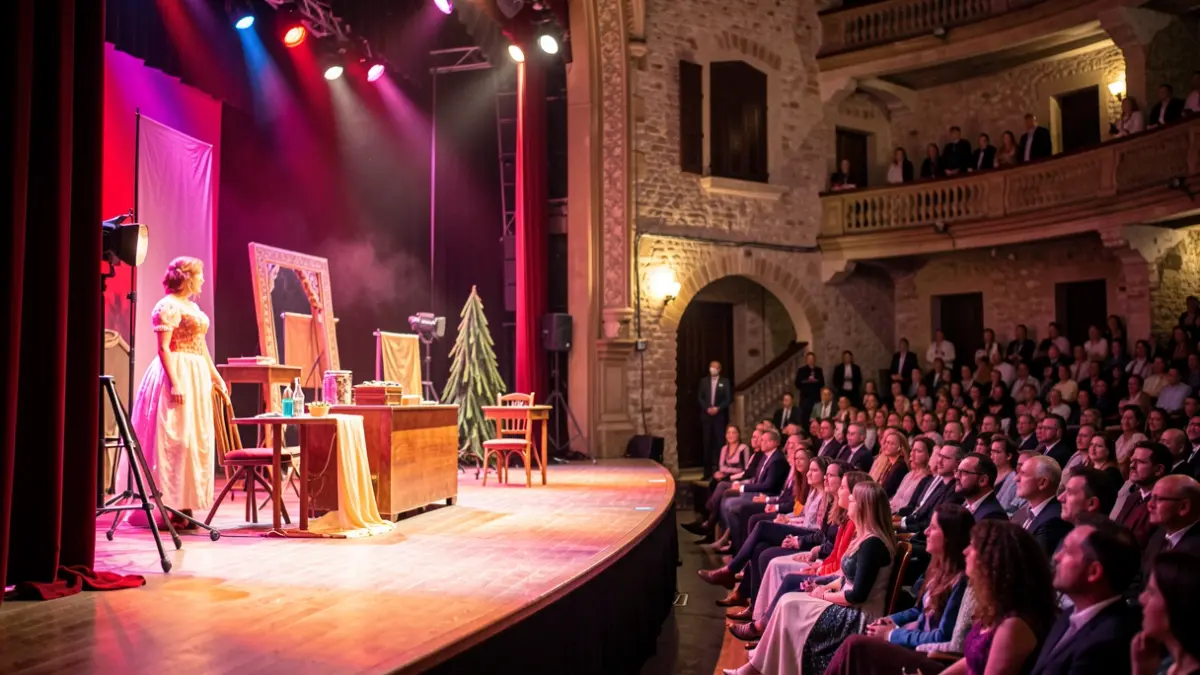
Regarding the Misteri d'Elx, declared intangible heritage of humanity, the program questions why girls are not allowed to sing in the most important representations, raising whether tradition should prevail over equality and if this restriction could affect UNESCO's recognition.
In Sagunto, the Saguntine Holy Week voted against the incorporation of women into the town's only brotherhood for the third time on March 22 of this year. The program asks if this situation could end up in court and if a possible legal precedent would mark a before and after for other festivals that still discriminate against women.
The program concludes that women have worked for the festival, sometimes more than men, but their efforts have not always been recognized. To delve deeper into this topic, Zoom has spoken with two female artists, one a fallera and the other a gaiatera.