The presentation of this work, part of the Ceramic May 2026 cycle, will take place on Wednesday, May 6th at 7:00 PM. Admission will be free until full capacity is reached, and the volume can be purchased at the museum from that day.
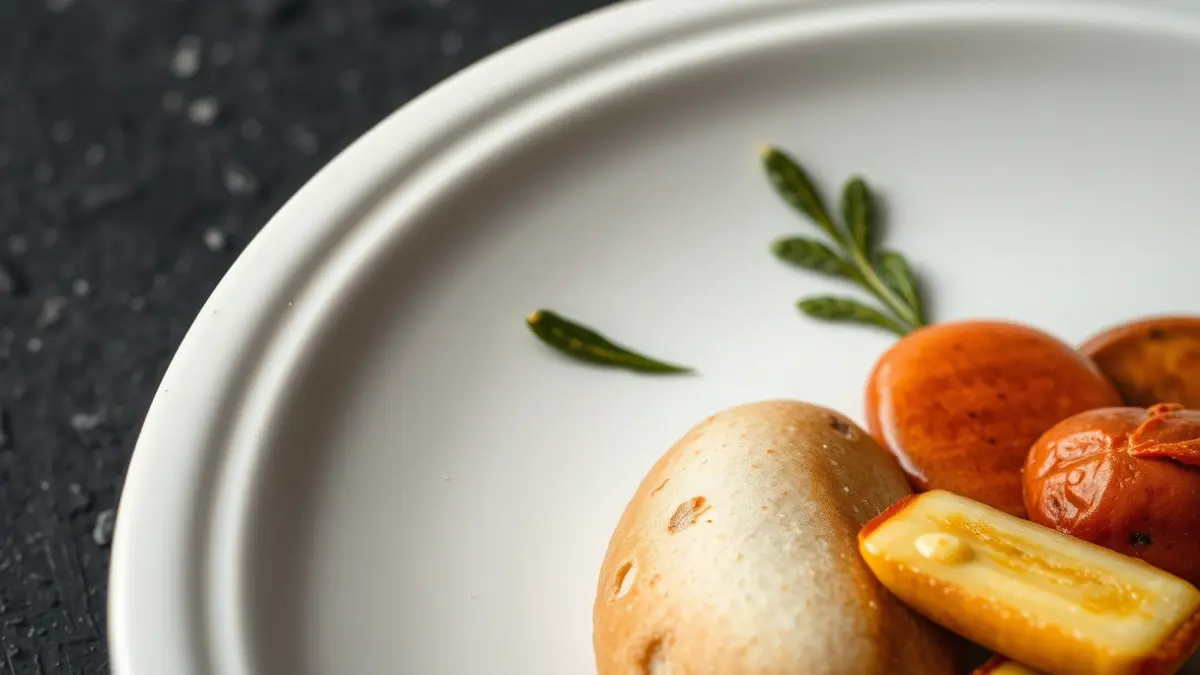
The book, authored by local historians Miquel Àngel Badenes Martín and Maxim García Conejos, delves into the unique deceptive plates of the Royal Factory. These ceramic pieces imitate food, animals, and still lifes, playing with visual perception to blur the line between reality and artistic representation.
The study identifies and catalogs 74 examples, offering a reinterpretation of these productions. Traditionally considered minor, the authors integrate them into the 18th-century trompe l'oeil tradition. The publication includes a historical overview, a reasoned catalog with graphic material, and nearly a hundred bibliographic references.
The 236-page work includes a prologue by Yolanda Gil Saura, Professor of Art History at the University of Valencia. It is part of the L'Alcora Ceramics Museum Collection, dedicated to the dissemination of the heritage of the Royal Factory of the Count of Aranda.
“"This initiative strengthens the research and dissemination of local ceramic heritage and brings to the public one of the most singular artistic expressions of the period."