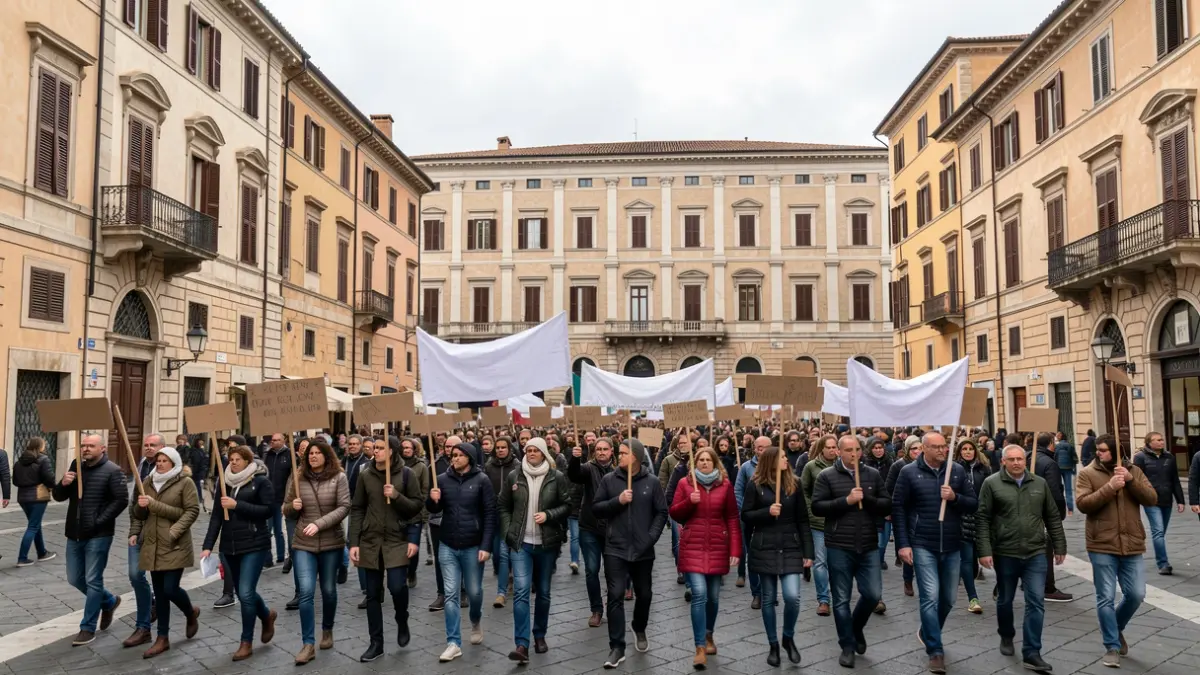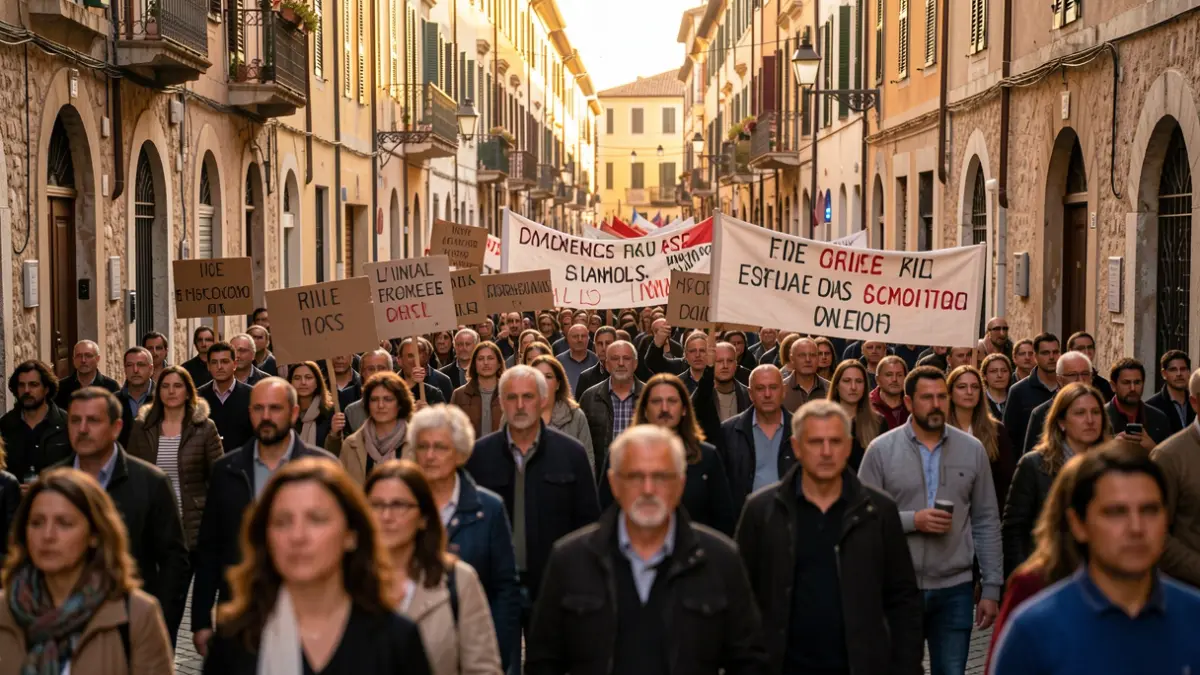

The event, which took place last Saturday, April 11, served to pay tribute to the victims of Francoist repression and to send a warning message about the current context. According to the manifesto signed by the collective's general secretary, Tere Donet Montagut, the purpose was to remember those who were executed after the Civil War for their loyalty to the legitimate Government.
“"People murdered for the sole crime of having remained loyal to republican legality against the 1936 coup d'état."
The gathering took place in Elche's Old Cemetery, a symbolically charged space where some of the victims from Elche rest. During the event, special recognition was given to the trade unionists executed in 1939 and buried in the same enclosure, in an exercise of historical memory that the collective has been repeating in recent years.
CC OO emphasizes that these initiatives not only have commemorative value but also pedagogical. They believe that remembering those events should serve as a warning to prevent similar situations from recurring. In this regard, they warn of a current context marked by the growth of discourses that, in their opinion, seek to reinterpret the past.
The union warns of a “worrying growth” of far-right and revanchist ideas, which, they point out, seek to whitewash Francoism. The document describes this period as one of the most negative in the country's history, marked by prolonged and systematic repression. One of the concerns is the perception that these discourses are gaining traction among young people, even justifying the dictatorship and the preceding armed conflict.
The union focuses on the role of social networks as a channel for disseminating these messages, considering them particularly dangerous due to their capacity for expansion and lack of filters. Faced with this situation, they call on society to curb this trend from democratic and legitimate positions, insisting on the need to counteract these discourses and preserve a historical narrative based on facts.
The document also includes a critical assessment of the current political situation, arguing that the Spanish right, represented by PP and Vox, is undergoing a radicalization process that could jeopardize the framework of democratic coexistence. They denounce attempts to delegitimize electoral results and question the Government's actions, as well as the role of a part of the judicial system, which they accuse of acting in a biased manner.
Against this backdrop, they defend the achievements made in recent years, such as the Minimum Living Income, the increase in the minimum wage, the revaluation of pensions in line with the CPI, and equality policies. The collective insists that rights cannot be lost at a time when many more are yet to be conquered and criticizes the right's management in areas such as healthcare, education, and social services, linking it to cuts and privatization processes.
Beyond the national scope, the union has also taken a stance on the international situation, demanding that homogeneous criteria be applied in international politics and criticizing the passivity of many global actors. The event concluded with a clear message of frontal rejection of armed conflicts and a defense of peace, with a resounding “No to war!”.