A study conducted by the Climate Change-Aguas de Alicante Chair and the Alicante City Tourism-Tourism Board Chair has certified the impact of climate change on local tourism, driving the need for a new strategy. This planning document, currently being drafted, seeks to consolidate tourism as an essential economic sector, contributing 15.47% to the local GDP.
The Valencian consultancy Soluciones Turísticas, responsible for outlining the proposal for the Municipal Tourism Board, aims to boost a multi-product offer. The goal is to make a qualitative leap, after achieving record numbers in tourist arrivals, with 935,389 foreign visitors in 2025, an increase of 20%.
This approach goes beyond the traditional sun and beach product, which will continue to be promoted, to strengthen proposals such as sports, congresses, professional events, concerts, local gastronomy, and especially, the cultural offer. De-seasonalization, favored by the increase in average annual temperatures, has modified tourist routines, who now seek greater climatic comfort outside the summer months.
The Municipal Tourism Board, led by the responsible councilor, embraces this new reality, aware that many tourists visiting Alicante outside the summer season seek attractions such as gastronomy, museums, or historical monuments. Therefore, the aim is to intensify the promotion of existing proposals in this area, improving and expanding them to attract visitors throughout the year and reduce dependence on sun and beach tourism.
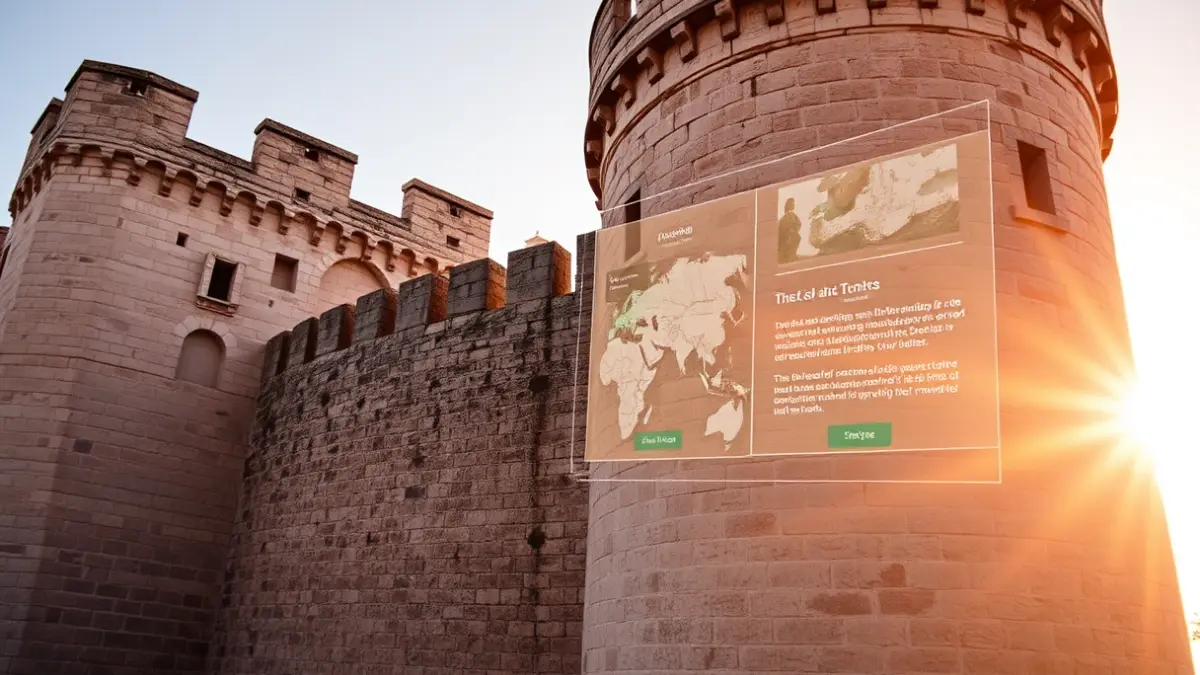
In this context, the Castle of Santa Bárbara, the most visited historical monument in the Valencian Community with almost a million annual visitors, will play a leading role. In addition to maintaining the tourism revitalization service launched in 2022, plans include continuing the restoration of its rooms and promoting new means to facilitate accessibility, such as the pedestrian path from La Ereta Park, with works suspended until the consolidation of Benacantil is completed.
The incorporation of digitalization and an augmented reality service about the fortress's history and features is also planned, aiming to enhance the visitor experience. Its implementation, awarded to GVAM Guías Interactivas, is expected to be ready this summer. This improvement will be complemented by the construction of a visitor reception center in the former forest engineer's house, at the access to Benacantil from Vázquez de Mella, whose project is already drafted and awaiting tender for its execution.