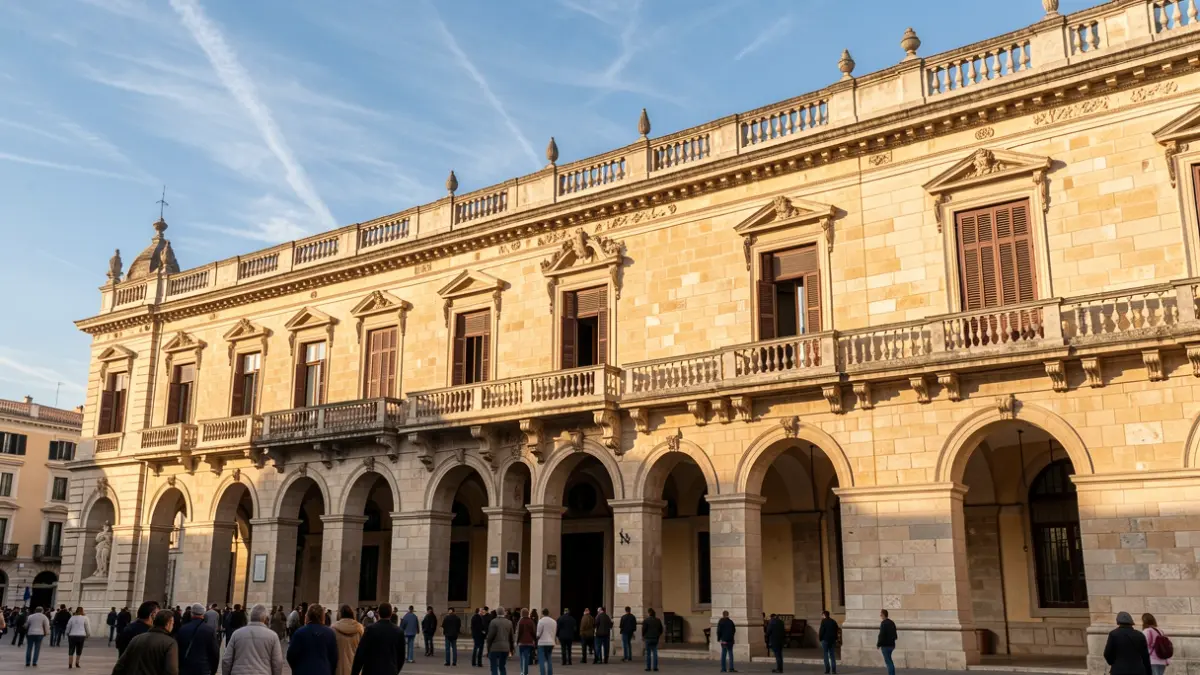
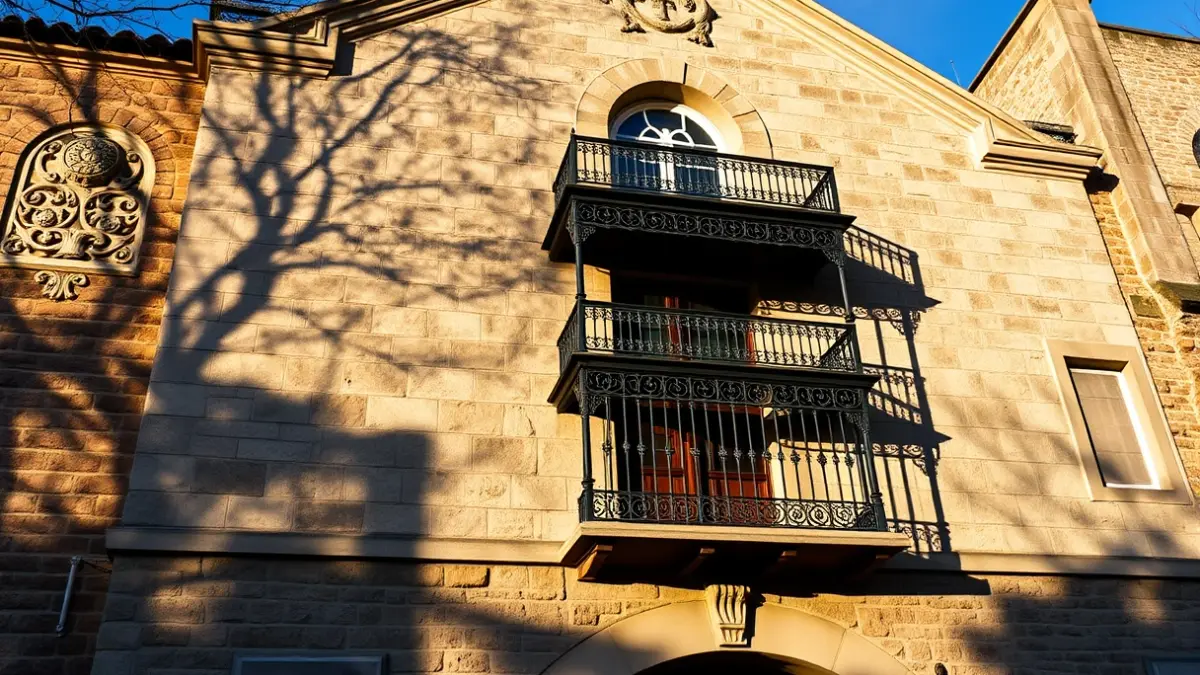
The intervention at Hort del Gat, funded by European funds from the Sustainable Tourism Plan, aims to end the image of degradation that this space has suffered for three decades. The actions are expected to be carried out within two months, in order to dignify the surroundings of the stately home and restore the orchard's original historical, agricultural, and landscape configuration.
Among the improvements, semi-ruined ponds will be removed, and statues will be relocated. In addition, the planting of 200 palm trees is planned, reinforcing the character of the Palmeral of Elche. The renovation comes after years of abandonment, vandalism, and occupations, which accelerated the deterioration of the house and its surroundings.
The external regeneration will highlight the new dependencies of the Department of Environment, Agriculture, and Palmeral, and will transform the complex into a future interpretation center for the Palmeral. The main objective is to improve the tourist experience of the Palmeral as heritage and a natural resource, associating the site with the interpretation center planned in the rehabilitated building.
The action will be carried out over an area of 10,021 square meters and will include paving, landscaping, lighting, recovery of traditional irrigation ditches, new accesses, and comprehensive renovation of the fencing. A large paved area with ocher-colored natural stone will be created around the building, opening an accessible route and protecting the existing basement.
One of the most important changes will affect access. The City Council will completely redesign the main entrance from Camí del Gat, connecting it with the parking area next to Santa Pola Avenue. This main route will be separated from the orchard by a row of orange trees. In addition, a second access will be enabled from the rear car park, and the image of the exterior enclosure will be renewed to reinforce the security of the site.
At a heritage level, this comprehensive improvement plans to recover and restore the traditional irrigation ditches that cross the orchard, part of the historical hydraulic system of the Palmeral. Banks and paths will be cleaned, and the secondary irrigation network will be improved to recover the traditional agricultural function of the orchard, maintaining its geometric and morphological characteristics.
The transformation of the old romantic garden area, currently very degraded, will be significant. Remains of constructions, improper vegetation, and ruined elements will be removed, while monumental specimens such as a large ficus will be preserved. The project will opt for native and traditional species, such as pomegranates, wild olive trees, cypresses, bitter orange trees, mulberries, and plane trees, to restore the orchard to an image consistent with its historical and heritage value. For greater security guarantees, a new public lighting system with nearly 40 LED solar streetlights will be incorporated.