
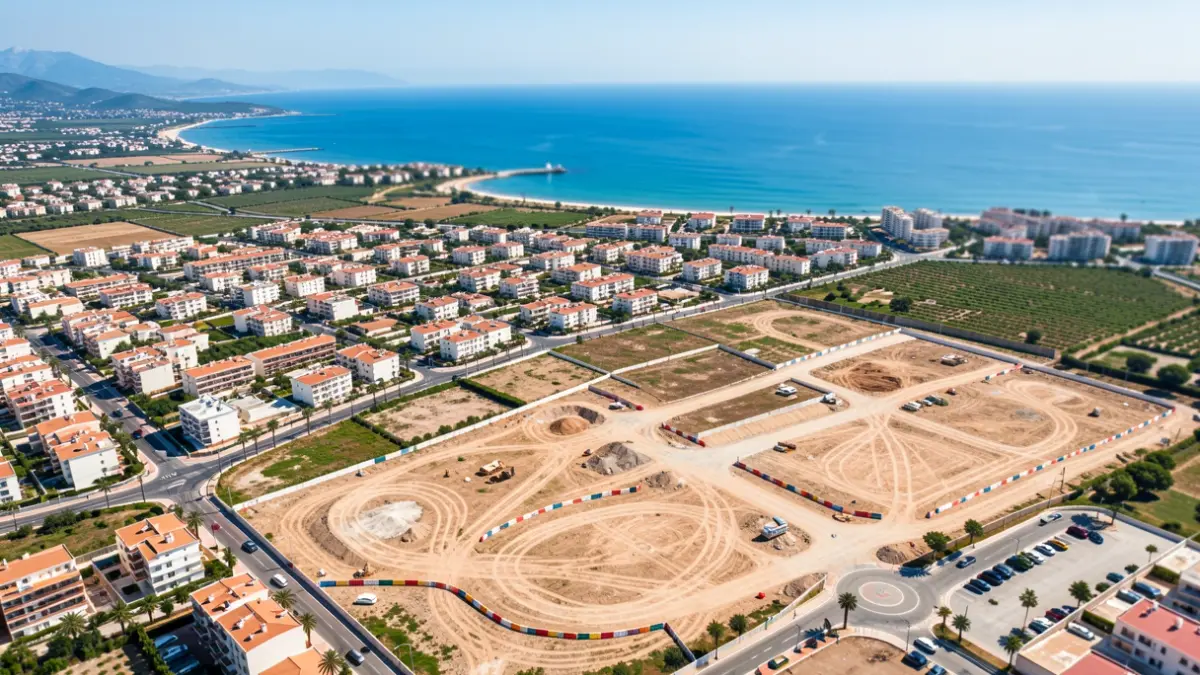
The resolution concludes a procedure initiated almost two decades ago, although it imposes a long list of conditions before the project can be executed. The area, spanning 159,074 square meters, includes residential land, educational facilities, green spaces, parking, and a new main access. The zoning increases building height, allowing structures of up to ten floors, and designates 30% of the total residential area for affordable housing.
The conservation of Helianthemum caput-felis (cat's head rockrose), a vulnerable plant species with the second most significant population in the Valencian Community (over 2,100 specimens), has been a major hurdle. The planning had to be modified in late 2025 to expand green zones and ensure its on-site conservation, which must remain protected during construction and after the sector's development.
The environmental declaration does not constitute final approval. The project still requires the prior approval of Modification Number 68 of the General Plan of Orihuela, which is pending. Furthermore, the Directorate General of Roads maintains an unfavorable report regarding the access to the N-332, citing concerns about road safety and increased traffic, demanding a new access solution and noise mitigation measures.
Water availability for the future development is guaranteed by the Segura Hydrographic Confederation, subject to technical requirements. The EPSAR deems wastewater treatment viable, establishing thirteen conditions for its execution. The resolution also includes favorable reports on cultural heritage, tourism, livestock trails, and agriculture, along with recommendations for sustainable mobility and climate change adaptation.