The Aunt, a central and unmistakable figure in the lives of her family and neighbors, is evoked in a narrative that seeks to recover her legacy as an example of many other women who have enriched the lives of those around them. Her house, located in a Gandia neighborhood popularly known as 'Korea' due to its unfavorable conditions in the 1960s and 1970s, was an open and welcoming space.
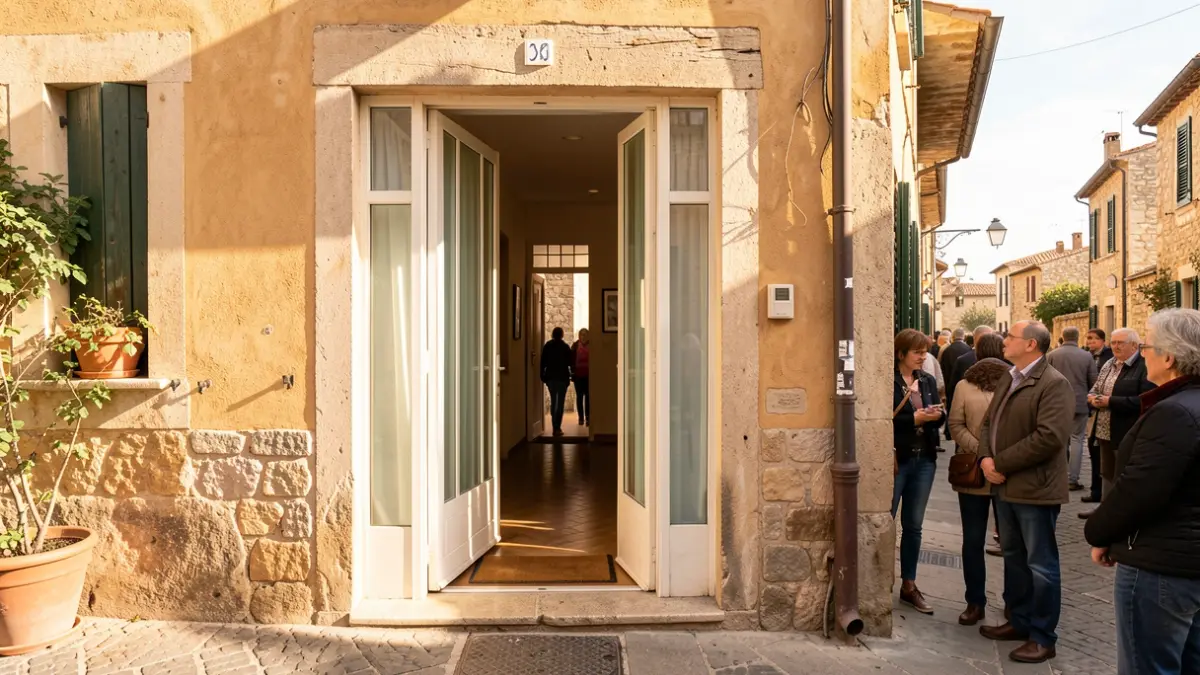
The dwelling, a ground-floor house built in the early 20th century next to the road connecting Valencia with Alicante, was characterized by an almost always open door leading to an entrance hall and, subsequently, a corridor that opened into the dining room. A pendulum clock, which the Aunt often asked for help to start, marked the rhythm of the house and the key moments of the day, such as meal times, sleep, and especially, the arrival of radio dramas.
A widow for decades and without descendants, the radio was her main companion to combat the loneliness of the afternoons. The radio sessions, featuring renowned actors, constituted her usual entertainment channel, to which the visits of her three nephews were added, a source of inexhaustible love.
The text also paints a portrait of Gandia at the time, a city marked by the citrus industry, an active port, workshops, and shops, and an incipient focus on tourism. Meanwhile, the Aunt lived frugally, taking advantage of the sunlight from the living room to listen to radio dramas, which offered her stories of impossible loves and moral characters.
The house's patio, with a small pond and planters of calla lilies and roses, was another of her favorite spaces. In summer, her nephews brought her jasmine buds that she would string to perfume the evenings. These moments were complemented by chats with neighbors, brief interludes of sighs and silences.
Despite an apparently routine life, the Aunt possessed a strong character that softened into tenderness. Her deepest concern in her later years was to be remembered. Her joy manifested when she felt useful, helping her nephews and neighbors, as happened with a young woman from Cantabria who found refuge in her home.
The article concludes by advocating for the importance of 'Aunts' with a capital 'A,' those family figures who, like the protagonist of this story, have left a profound mark of affection, healed wounds, and created lasting memories, thus deserving a tribute of remembrance and affection.