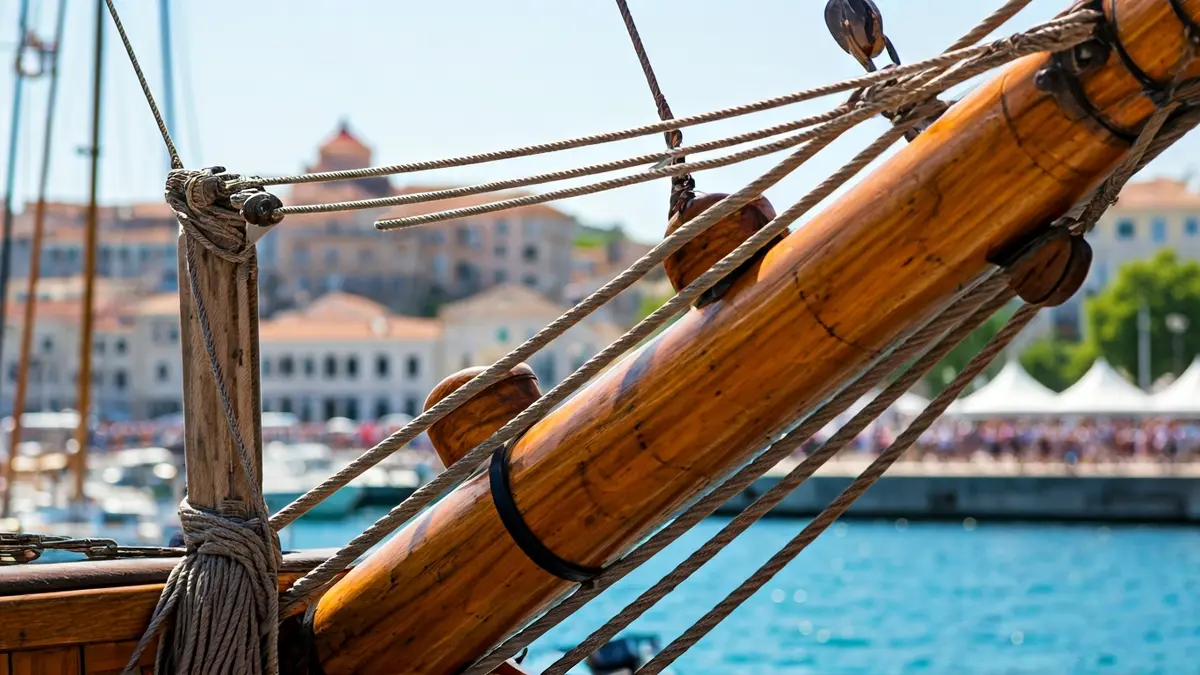
The nautical event, held over four days, stood out for its high public attendance, international projection, and safety. The average expenditure per person per day was 30 euros, a figure that reflects the positive effect of the festival on sectors such as hospitality, commerce, and services.
“"This edition confirms the consolidation of the event and highlights that Escala a Castelló is also a celebration of the city's maritime identity."
The international dimension was one of the most notable features, reinforced by the Mediterranean Route, an alliance connecting the maritime events of Castelló, Sète, and La Spezia. The City Council continues to work with these cities to achieve UNESCO recognition for this initiative, a step that would mark a milestone for the city and its Grao.
The coordinator of Escala a Castelló, Fernando Viota, emphasized the involvement of Grao and the response from both citizens and participating crews. Many captains expressed their desire to return in future editions, and the organization is already working on the tenth edition, which is expected to be a significant year for the festival.
Regarding safety, Luis Oria, Head of Security for the Port Authority, stated that this was the edition with the fewest incidents since the event's inception. Normalcy characterized all days thanks to a comprehensive coordinated operation that ensured the safety of visitors, crews, and vessels.
The program included the recreation of a naval battle between the brigantine Phoenix and the brick Grace, the opening of eleven participating vessels to the public, and a wide range of maritime and family activities, such as the maritime parade, the maritime market, and a giant cuttlefish sandwich over 200 meters long.