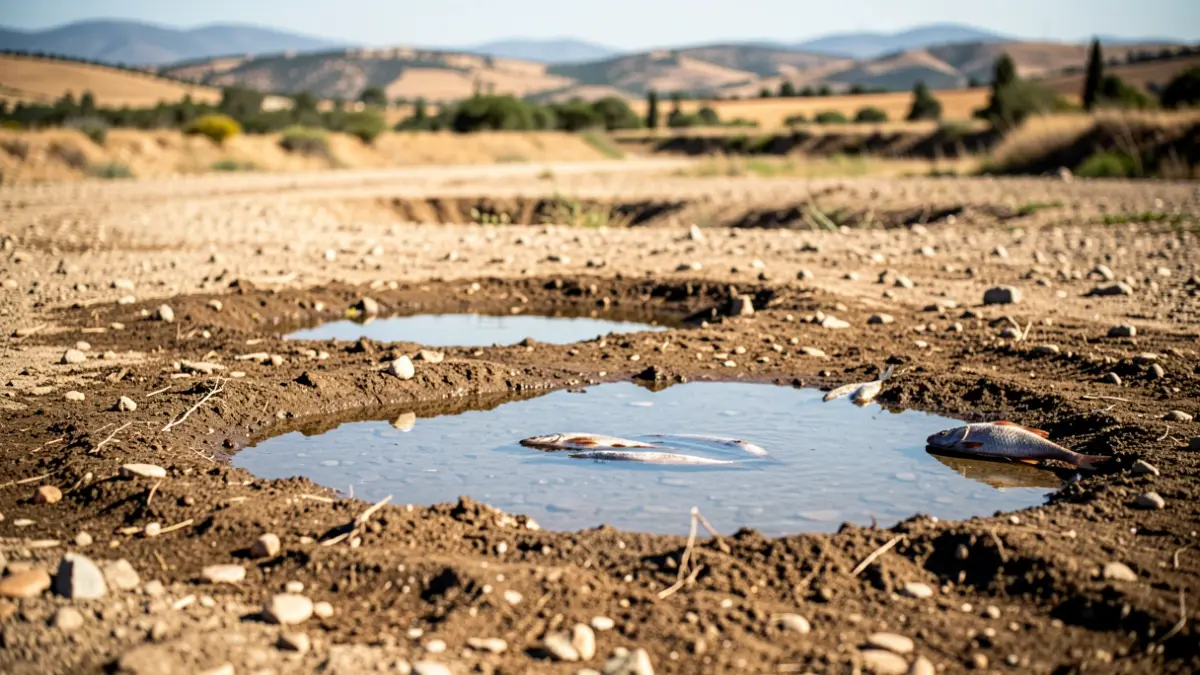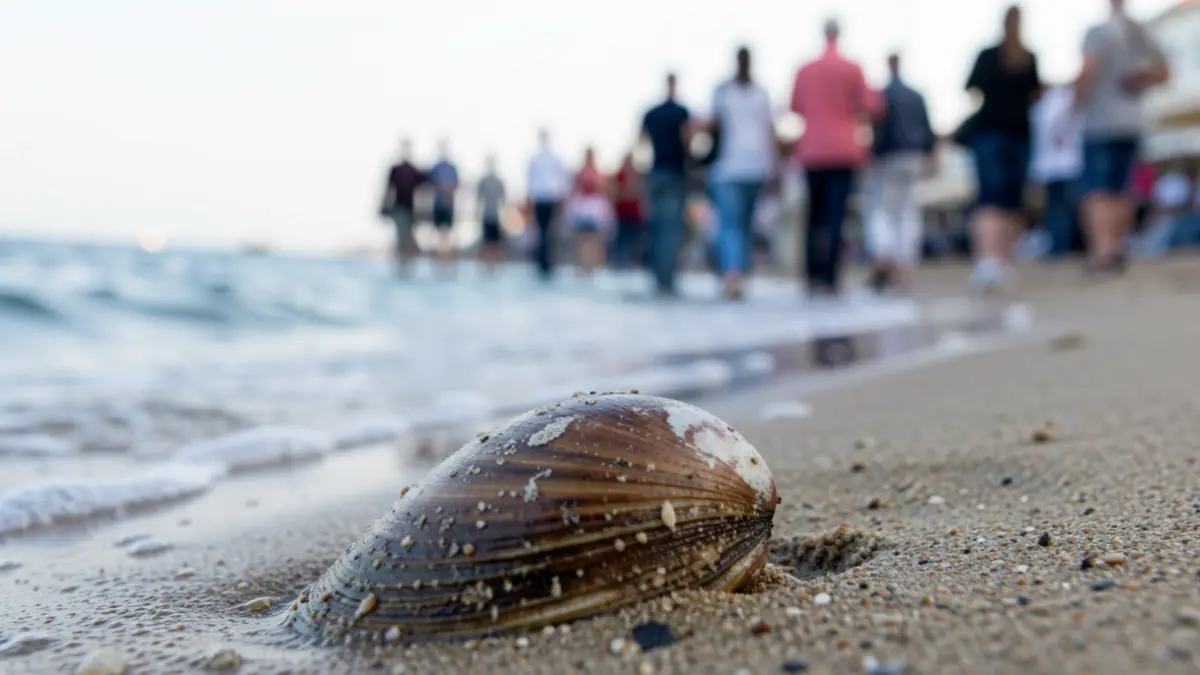
The overexploitation of natural resources has led to critical situations for many marine species. Atlantic salmon and European eel have already seen their populations drastically reduced. The clam, a highly prized bivalve mollusc, is on the same path, with its populations in the Mediterranean having suffered a significant decline. While over a hundred thousand tons were fished annually in the 1990s, today fifty thousand tons are rarely reached.
This reduction is due to excessive fishing that exceeded the species' regeneration capacity. The observation of fewer breeding individuals led to the prohibition of its capture in several autonomous communities, including the Valencian Community and Murcia, over ten years ago. Italy and Turkey are currently the main global producers, despite also experiencing population reductions.
With the aim of reversing this situation, the Torre la Sal Aquaculture Institute (IATS), dependent on the CSIC, has conducted research between 2022 and 2023. The study, led by Carlos Saavedra, a scientist specializing in mollusc genetics and molecular biology, has sought to achieve captive breeding of clams for repopulating natural beds.
By applying techniques similar to those used for other molluscs, such as oysters or clams, Saavedra's team has managed to control captive reproduction. This has been achieved by manipulating water temperature and animal diet, offering them an optimal mixture of microscopic algae. Through controlled thermal shocks, clams are induced to release their gametes, resulting in larvae after 48 hours.
Although preliminary results are promising, challenges remain. Only a percentage of individuals respond to thermal shock, and combinations of diet and temperature need to be optimized to increase reproductive success. Climate change also plays a crucial role, as high temperatures and heatwaves can cause spontaneous spawning with low larval survival.
Ocean warming is of particular concern, as high mortality rates have been observed in various marine species. IATS is currently working on a project to study the response of clams to global warming. The ultimate goal is for the clam to regain its population density and eventually become a sustainable fishery again.