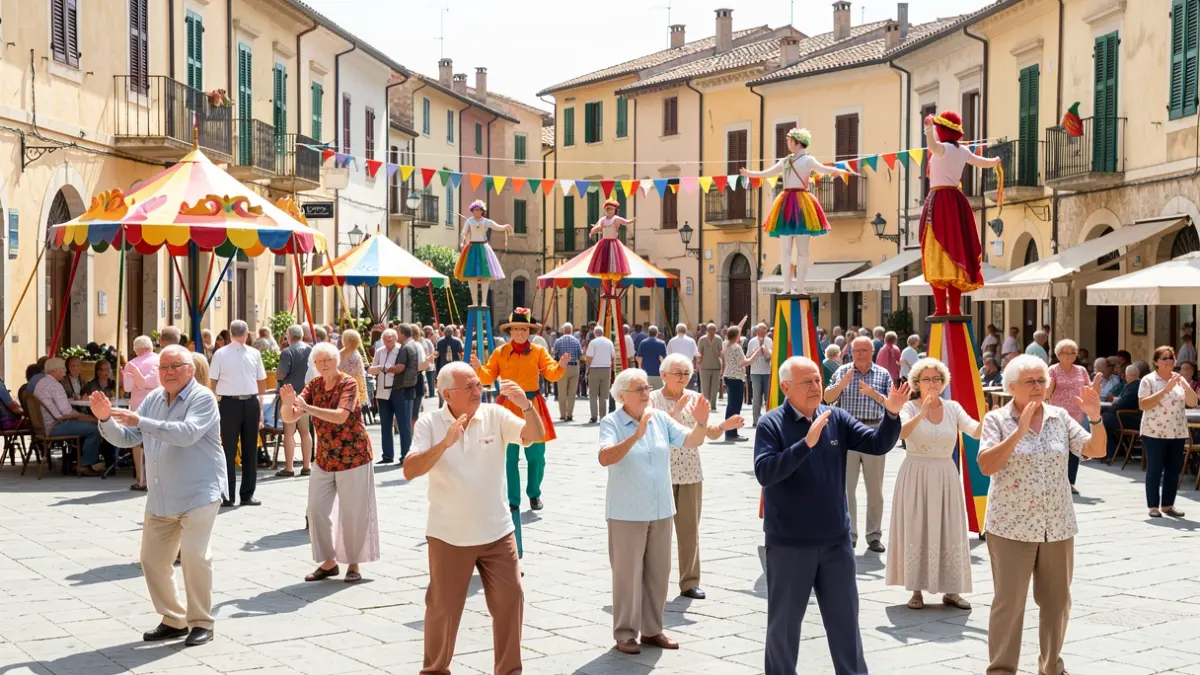
The city celebrated the opening with a large family festival that brought together the residents of Onda to discover one of the most unique urban and natural regeneration projects promoted by the council. The day featured children's entertainment, music, lunch, and activities for the little ones.
The mayor of Onda, Carmina Ballester, highlighted that the square has been transformed into a safer, more accessible, natural, and sustainable place. "It is a pride to see today the joyful faces of the children and the enthusiasm in the eyes of the elders," she stated, emphasizing that the effort to turn it into a pedagogical park and green oasis "has been worth it".
The project has allowed for the complete renovation of this emblematic urban environment, eliminating level differences and architectural barriers to create a fully accessible, comfortable, and safe park. The new design aims to integrate more nature and green areas into the city center, creating an open space for walking, resting, and socializing.
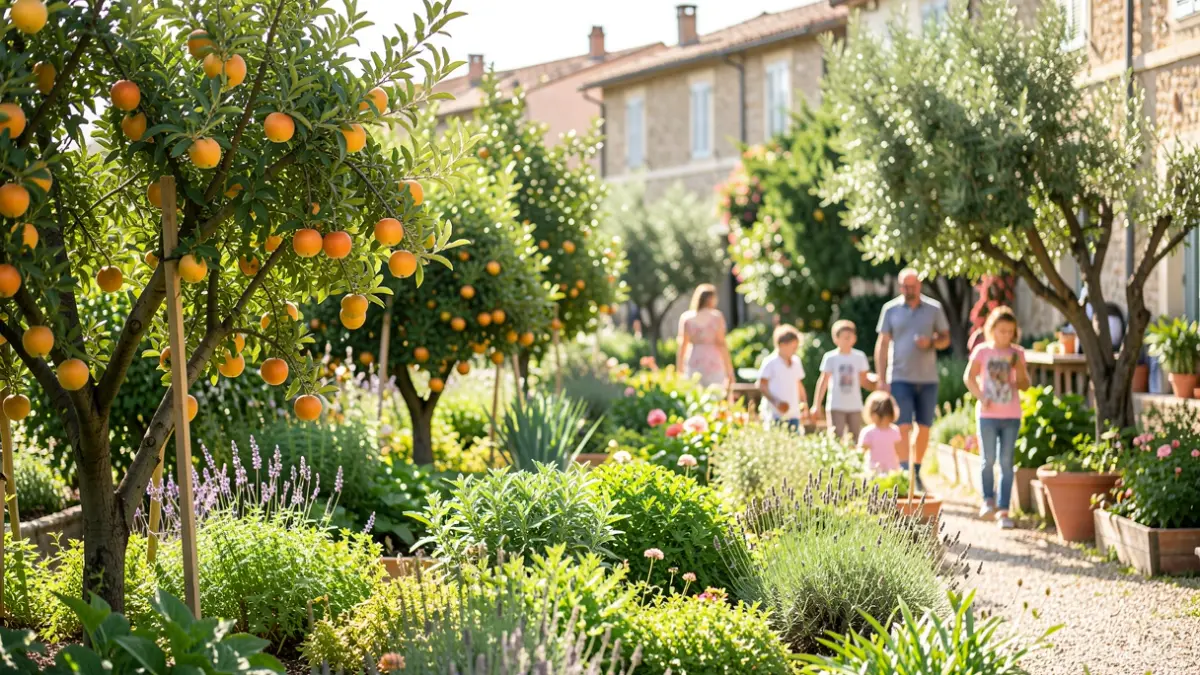
The main highlight of the new park is its edible garden, a natural space with over 40 fruit trees and native vegetation, conceived as an outdoor educational environment. This initiative will particularly allow children to learn about the plant cycle and foster values related to environmental care.
The project also incorporates shelters for local wildlife, such as insect hotels and bird baths, reinforcing the area's biodiversity. Additionally, new children's games have been added, expanding leisure and social opportunities for residents of all ages.
The Park of the Three Cultures takes its name from the sculpture Tolerantia, by sculptor Chul Young Choe, which symbolizes the coexistence between the Christian, Muslim, and Jewish cultures that were part of Onda's history.