For five days, the Manolo Safont Tile Museum became a hub for ceramic creation, hosting artists, educators, students, and professionals. This year's edition, with Italy as the guest country, has solidified the event as a key space for artistic experimentation and cultural dialogue in the field of ceramic muralism.
The activity program offered a combination of shared learning, technical demonstrations, and collective creation. Attendees were able to delve into different creative processes and artisanal techniques, fostering dialogue between various generations and currents of contemporary ceramics.
Onda's Councilor for Culture, Daniel Álvaro, gave a very positive assessment of the event, highlighting the collaboration and creativity that marked this edition. "These gatherings demonstrate that ceramics continue to be a living language capable of uniting generations, cultures, and ways of understanding art, while also projecting the enormous value of Onda's ceramic heritage," he stated.
Among the most notable activities were experimental workshops, specialized conferences, PechaKucha sessions, guided tours of the museum, and the ON FIRE space, dedicated to firing processes and experimentation with fire. The second Ceramic Mascletà was one of the unique proposals that captured the attention of participants and visitors.
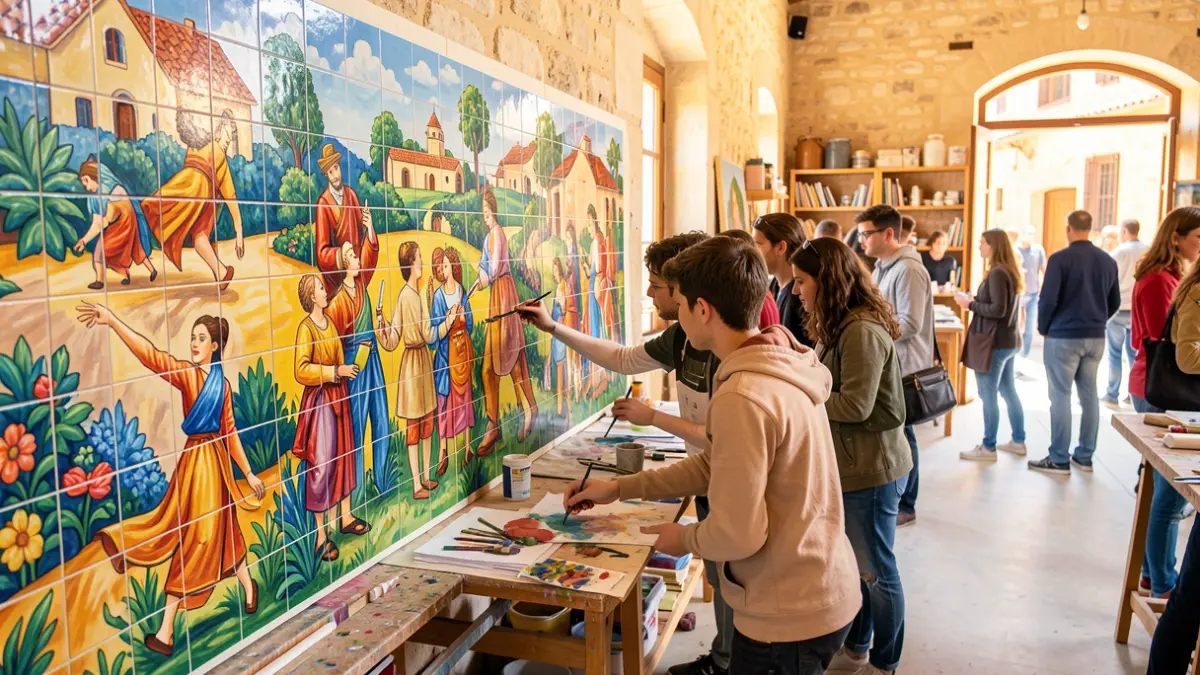
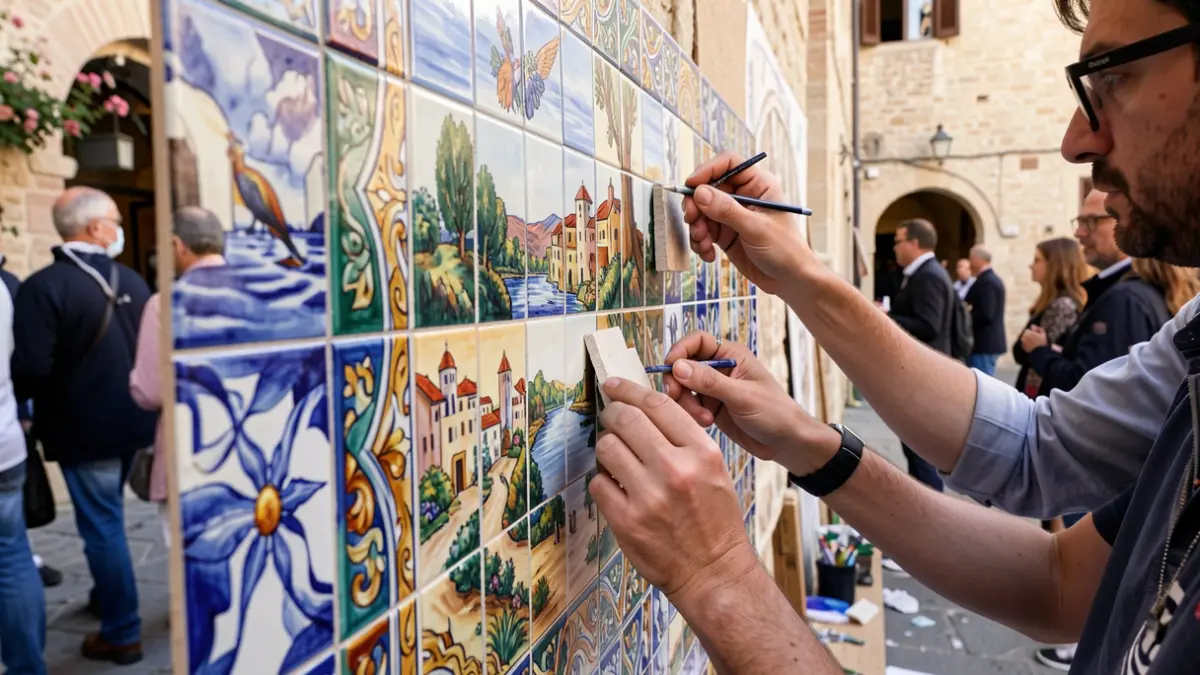
The creation of a collective mural, led by Italian artist Veronica Fabrozzo, was one of the highlights of the edition. This artwork, made by the participants, will be added to the artistic heritage linked to the Ceramic Gatherings, expanding the legacy built over ten years.
The participation of Italian specialists from the Montelupo Ceramics Museum and the Bitossi Archive, such as Vittoria Nassi and Marina Vignozzi, facilitated an exchange of knowledge about one of Europe's most relevant ceramic traditions. Additionally, the exhibition 'Collective Ceramic Learnings' showcased works from leading ceramic schools in the Valencian Community and murals from previous editions.