In an era defined by immediacy, governing a city requires looking much further ahead. The recently presented CREIX Plan is a key decision for the future of La Vall d'Uixó, as acquiring public heritage means not just buying land or property, but purchasing possibilities for the city of tomorrow.
Historically, municipal spaces were sold, including emblematic sites like the old market or the former town hall, mortgaging future opportunities to solve immediate problems. Since 2015, the approach has shifted, recovering buildings such as the former Schola Cantorum headquarters and the Torre de Benissahat, and now incorporating over 11,500 square meters with the CREIX Plan.
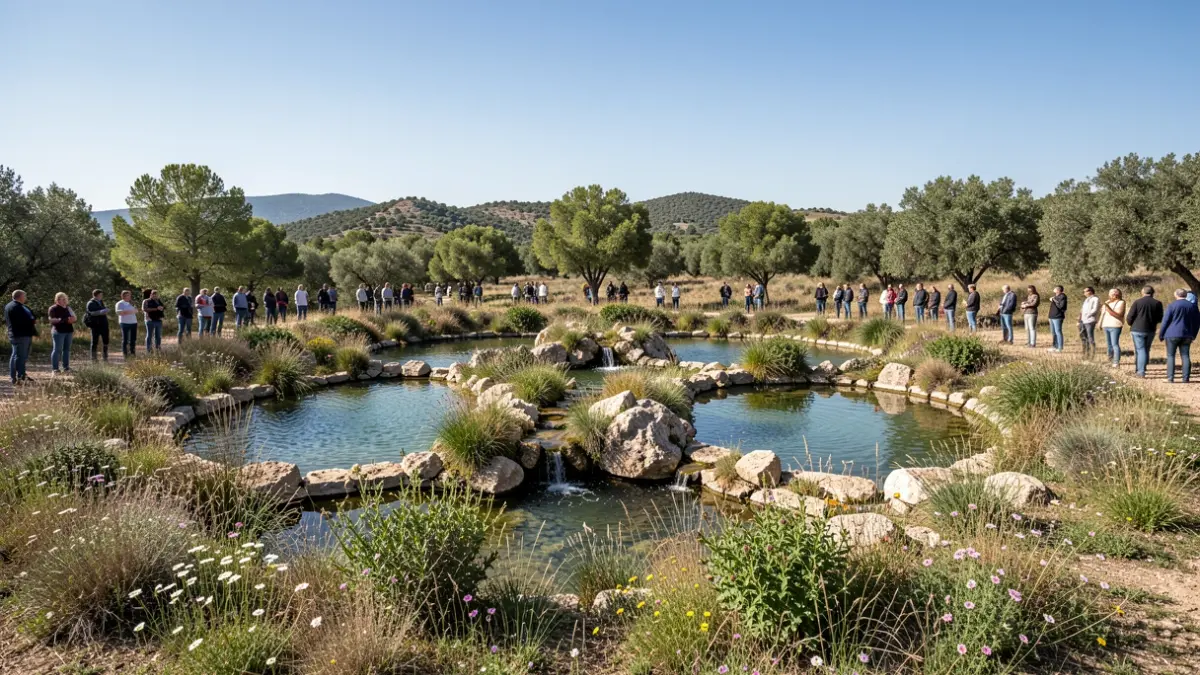
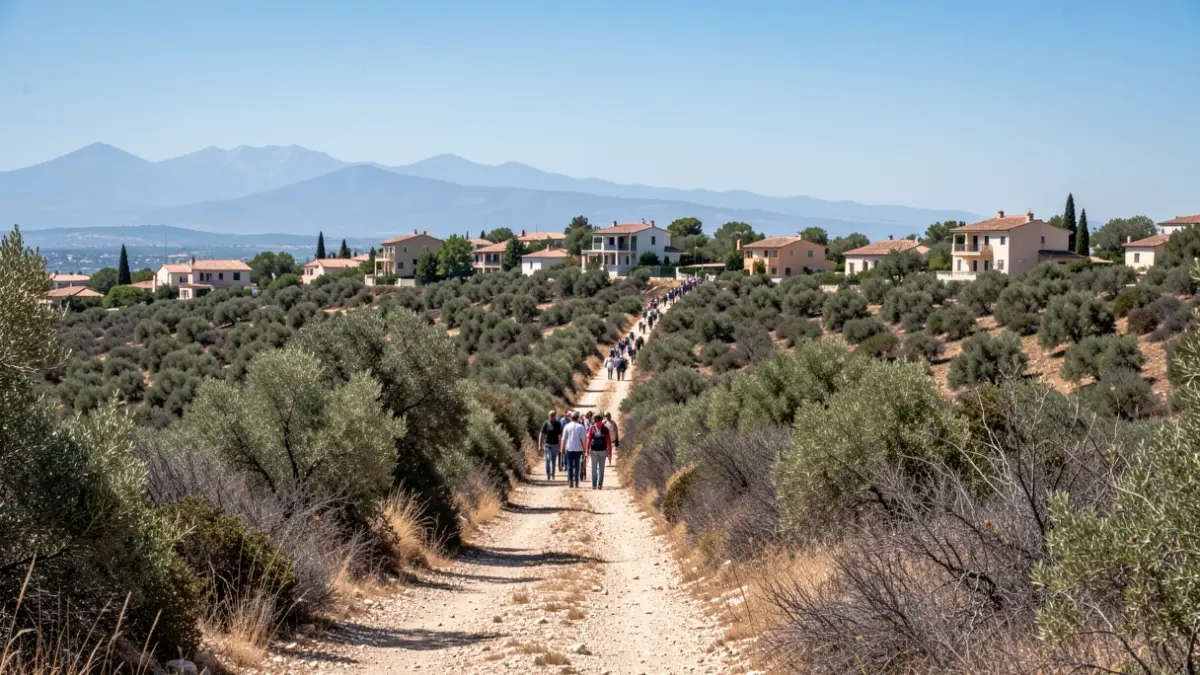
Added to this figure are eight plots donated by SAREB, bringing the new public heritage to over 20,000 square meters. These spaces will be allocated for future green areas, public facilities, and housing policies, contributing to neighborhood transformation and opportunity creation.
The transformation of cities relies on planning and a clear vision of direction. The Plan for the Conservation and Regeneration of Spaces of Interest and Urban Expansion exemplifies this urban project, complemented by the updating of the Urban Agenda and the first Municipal Housing Plan.
The city is experiencing a significant phase thanks to European funds and ongoing investments. The challenge is to prepare for what comes next, listening to citizens to decide future uses. Advancing cities are those that prepare to seize opportunities, as demonstrated by the management of nearly twenty million euros from the Next Generation EU funds.
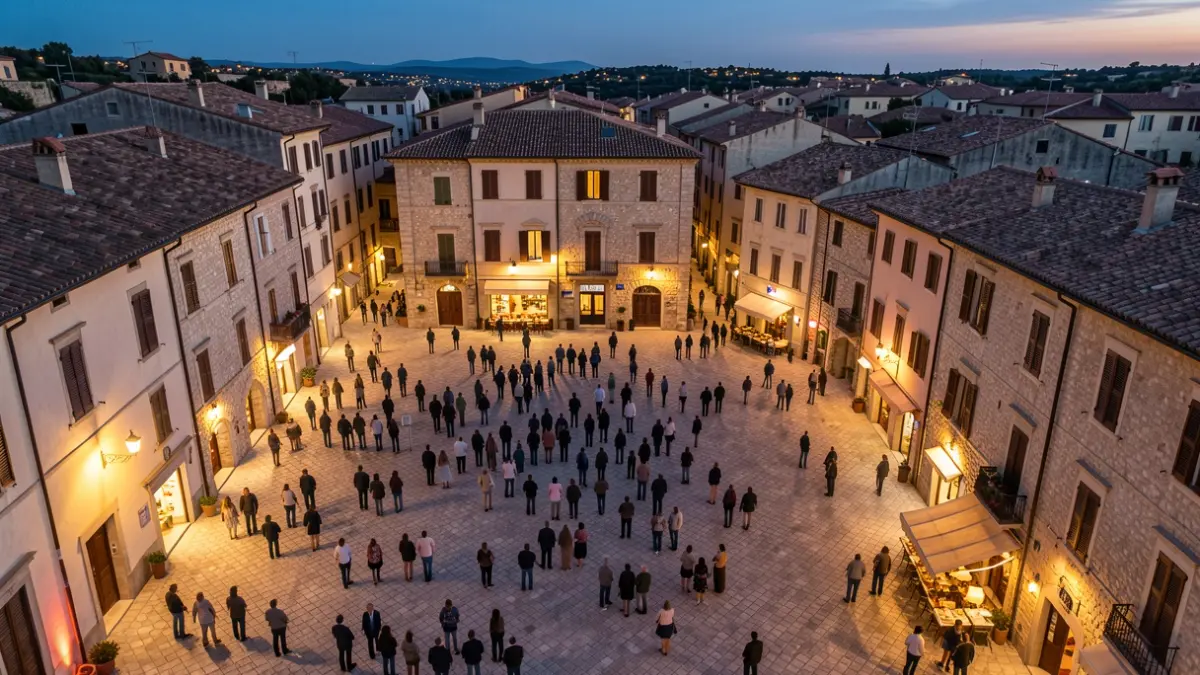
Looking towards La Vall in 2035, the aim is a city with more opportunities, public heritage, and quality of life. Building the future involves caring for what we have, planning, imagining, and dreaming, forging our own path and preparing the city for future generations.