The operation, named «Balarama», has led to the liberation of 80 individuals who were living in extreme vulnerability, crammed into dwellings lacking basic habitability conditions, often without water or electricity. Agents have arrested seven individuals, who are accused of the entire exploitation process, from recruitment in foreign countries to their subjugation in the agricultural sector.
The victims, mostly men between 20 and 35 years old, primarily originated from Nepal, Pakistan, Senegal, and Arab countries. They were recruited through false job offers disseminated via social media and personal contacts, promising them decent wages, accommodation, and sustenance in Spain.
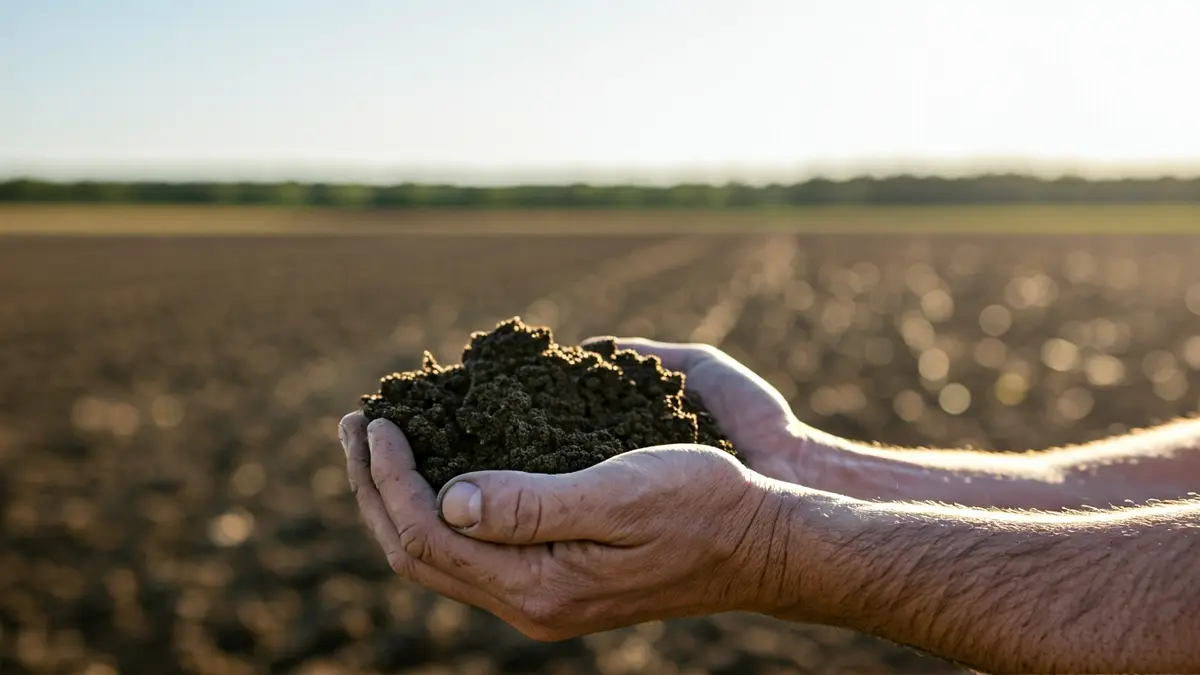
Once they accepted the offer, they were transported to Spain, incurring a debt that was then used as a control mechanism. They were forced to work long hours, up to 12 or 13 hours daily, in agricultural harvesting, without rest and with non-existent or symbolic remuneration, as expenses for accommodation and sustenance were deducted from their supposed wages.
They worked almost 13 hours a day, without rest and with hardly any remuneration.
The investigation, carried out by the Judicial Police of the Civil Guard in Castellón with the support of the Delegate Prosecutor for Human Trafficking and the Provincial Labor Inspectorate, has uncovered a hierarchical structure. The network's leaders were a Pakistani couple who used legal companies to feign legitimacy for their activities, operating mainly in the regions of Plana Baixa and Alt Palància in Castellón, as well as in Camp de Morvedre, Camp de Túria, and l'Horta Nord in Valencia. Their main base was in Nules, where the victims were distributed among four properties owned by the arrested couple.
During the five house searches conducted, 77 men and 3 women were freed. The proceedings have been handed over to the judicial authority, and two of the detainees have been remanded in custody. The operation received collaboration from the Red Cross, Caritas, and the Food Bank for the immediate care of the liberated victims.