
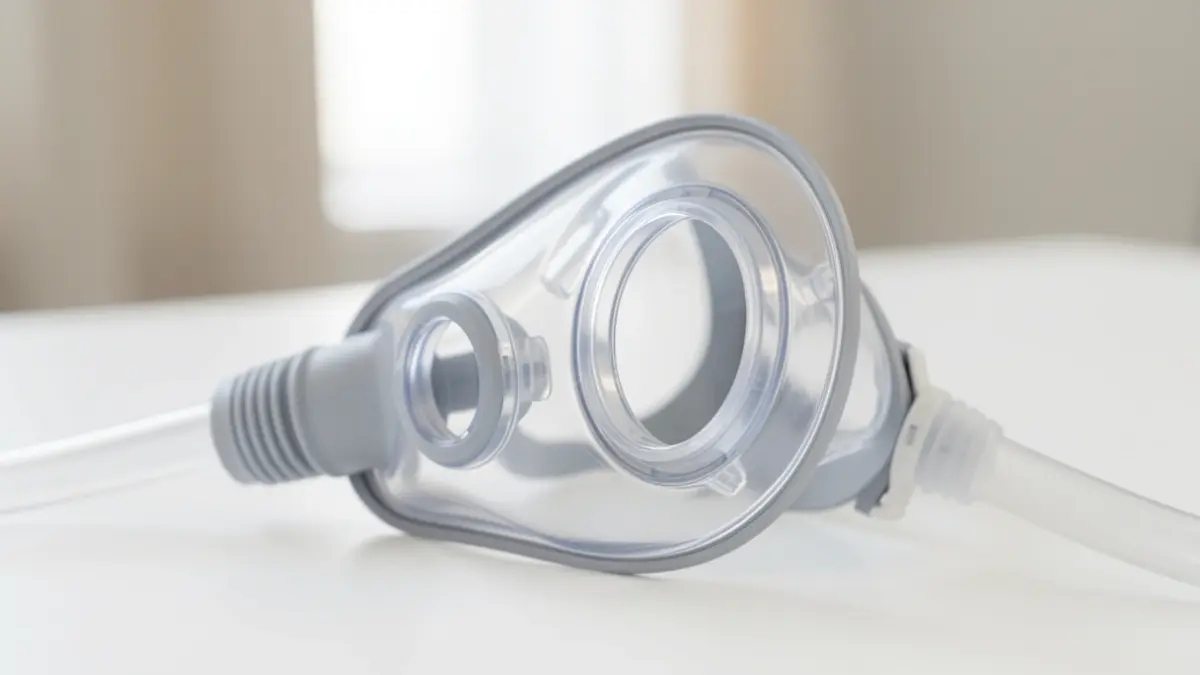
A scientific review conducted by researchers from the Incliva Health Research Institute, affiliated with the Hospital Clínico Universitario de València, has analyzed the key factors determining the effectiveness of non-invasive ventilation in individuals with amyotrophic lateral sclerosis (ALS). The study, published in the Journal of Clinical Medicine, proposes measures to optimize the use of this respiratory technique in clinical practice.
ALS is a neurodegenerative disease that causes progressive muscle weakness leading to paralysis. The involvement of respiratory muscles is the primary cause of complications, hospitalizations, and mortality in these patients. Although there is currently no curative treatment, non-invasive ventilation can alleviate respiratory symptoms, prevent hospital admissions, and improve both survival and quality of life.
However, the effectiveness of this technique largely depends on proper adjustment. According to the researchers, when non-invasive ventilation is not adjusted correctly, patient survival can be significantly reduced, by up to 50% compared to those receiving an effective technique. Air leaks from the mask, upper airway obstruction, or insufficient or excessive ventilation are the most common causes of ineffectiveness.
Regular monitoring of non-invasive ventilation effectiveness is essential. The study underscores the importance of periodic follow-up to detect potential problems and implement corrective measures. These may include adjusting the mask, increasing or decreasing ventilatory support as needed, or trying a nasal mask to address effects of the oronasal interface.
The authors, Doctors Jesús Sancho, Jaime Signes-Costa, and Santos Ferrer, members of Incliva's Respiratory Diseases Research Group and affiliated with the Universitat de València, indicate that well-adjusted ventilation can equate patient survival to that of those who respond adequately from the outset. In cases of airway obstruction, the most common adjustment is to increase respiratory pressure.