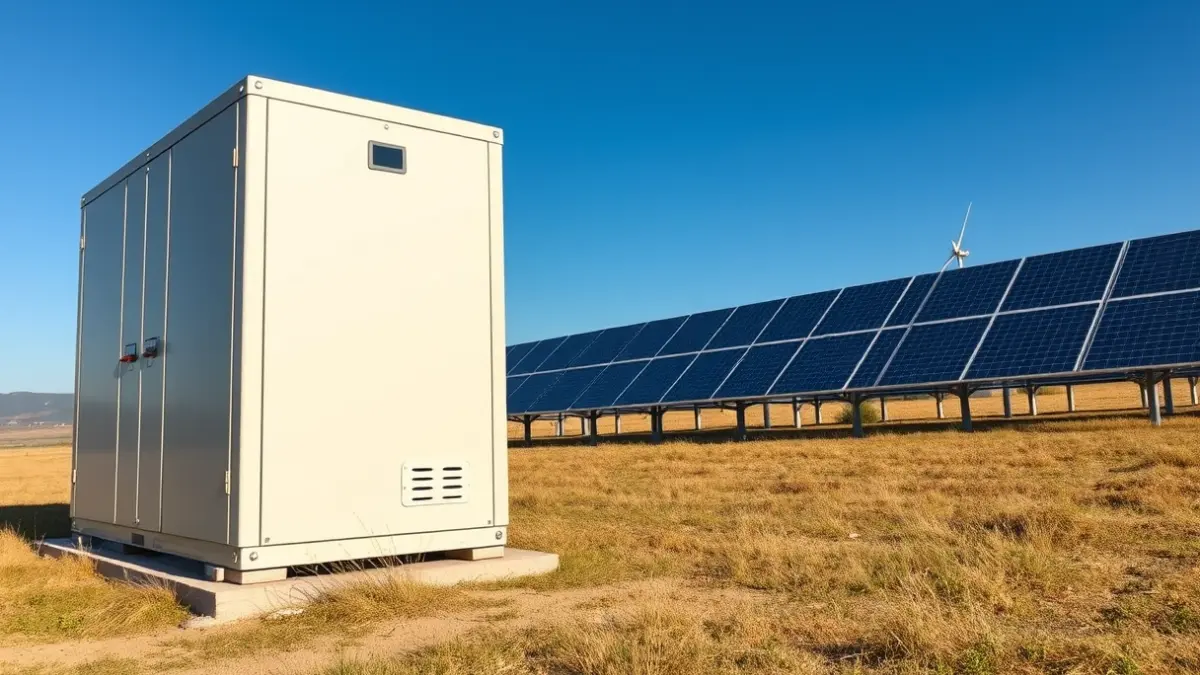
These facilities, named BESS El Salt and BESS Helicon, are part of the multinational's commitment to energy transition. Each will have a power of 51.91 MW and a storage capacity of 207.73 MWh, allowing energy to be managed for about four hours per system, according to the environmental document.
Conceived as standalone systems, these infrastructures are designed to store energy, primarily from renewable sources, during periods of high production and release it when demand is greater. This model is key to facilitating the integration of renewables into the electricity grid, improving system stability, and reducing dependence on fossil fuels, in line with decarbonization objectives.
Both projects already have grid access and connection permits and have been admitted for processing by the Ministry for Ecological Transition, currently in the environmental assessment phase. The processing is being carried out jointly after a modification of the initial design that allowed the facilities to be concentrated on a single plot next to the evacuation substation, reducing land occupation and the length of associated electrical infrastructures.
“"Existing trees, both cultivated orange trees and native species, will be preserved around the perimeter of the projects, maintaining a green screen to reduce visual impact and promote their integration into the territory."
The chosen location, in the El Palmeral area of Onda, corresponds to land of low environmental sensitivity, in an environment already transformed by agricultural activity and the presence of energy infrastructures, which minimizes territorial and landscape impact. The report concludes that the overall impact of both facilities is “compatible” and not significant, with no foreseen effects on protected areas or the Natura 2000 Network.
This initiative by bp joins other energy storage projects underway in the province of Castellón, such as the Sungrow plant in La Vall d'Uixó and the Endurance Motive project in Burriana, which will be the first major hybrid solar energy storage project in the Valencian Community.