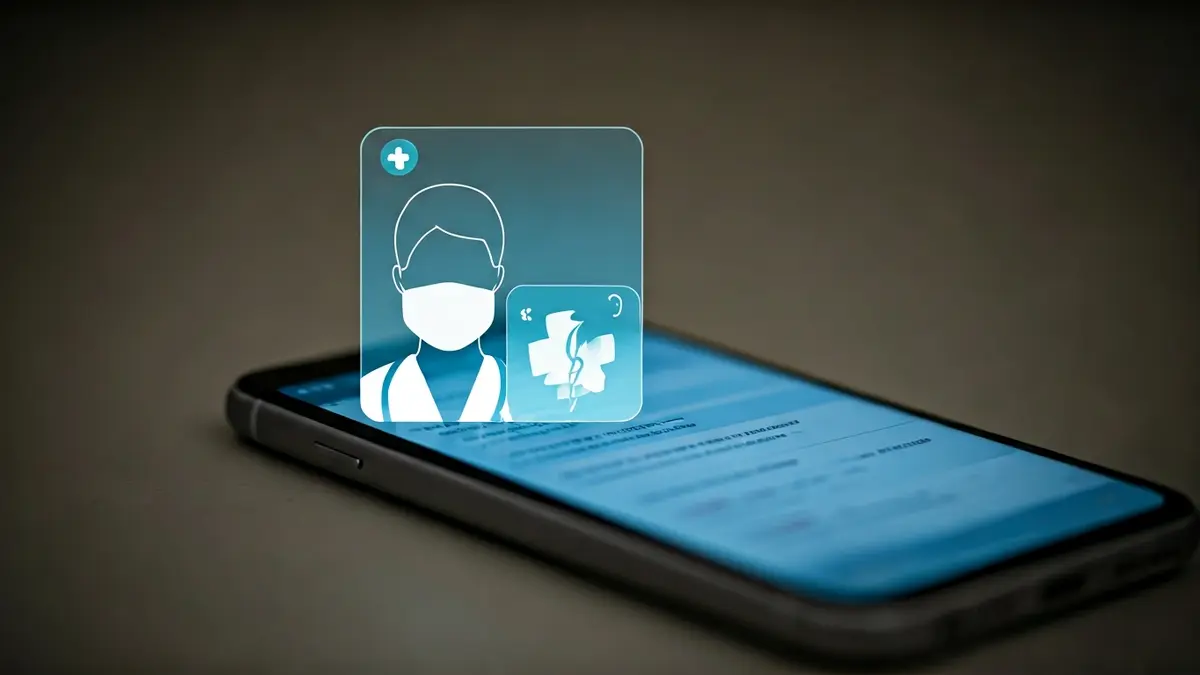
This new action by the OMC is part of its fight against pseudoscience and pseudotherapies, with the aim of protecting public health. The campaign consists of four video capsules, designed to adapt to the formats and languages of platforms such as Instagram, TikTok, and YouTube, debunking misleading viral content.
The videos address topics such as “magic” products, illusory promises, miraculous mental health treatments, diets without scientific backing, and other practices based on myths. These audiovisual pieces illustrate how easily one can fall for seductive messages that pose a high risk to individual and collective health, such as the anti-vaccine movement.
Don't be fooled by viral videos, be suspicious, always consult official sources, distrust magical solutions, cross-reference information, and talk to your doctor.
The initiative emphasizes citizens' right to make informed decisions about their health, based on the guidance of licensed and qualified doctors. To this end, the OMC offers resources to verify information on its official website. This campaign responds to the medical profession's deontological duty to ensure the quality and safety of healthcare, including in the digital environment.
Coinciding with World Health Day, the Collegiate Medical Organization and the Colleges of Physicians call on health, academic, and scientific institutions, patient organizations, communication professionals, and the general public to disseminate the videos with the hashtag #noteenREDES. The key message is that health is not a viral challenge and should always be cross-referenced with professionals.
In parallel with this campaign, the OMC has also published the Ethical and Scientific Decalogue against Health Pseudoscience, an essential guide to identify reliable health information, avoid practices without scientific basis that endanger health, and detect misleading advertising or professional intrusion.