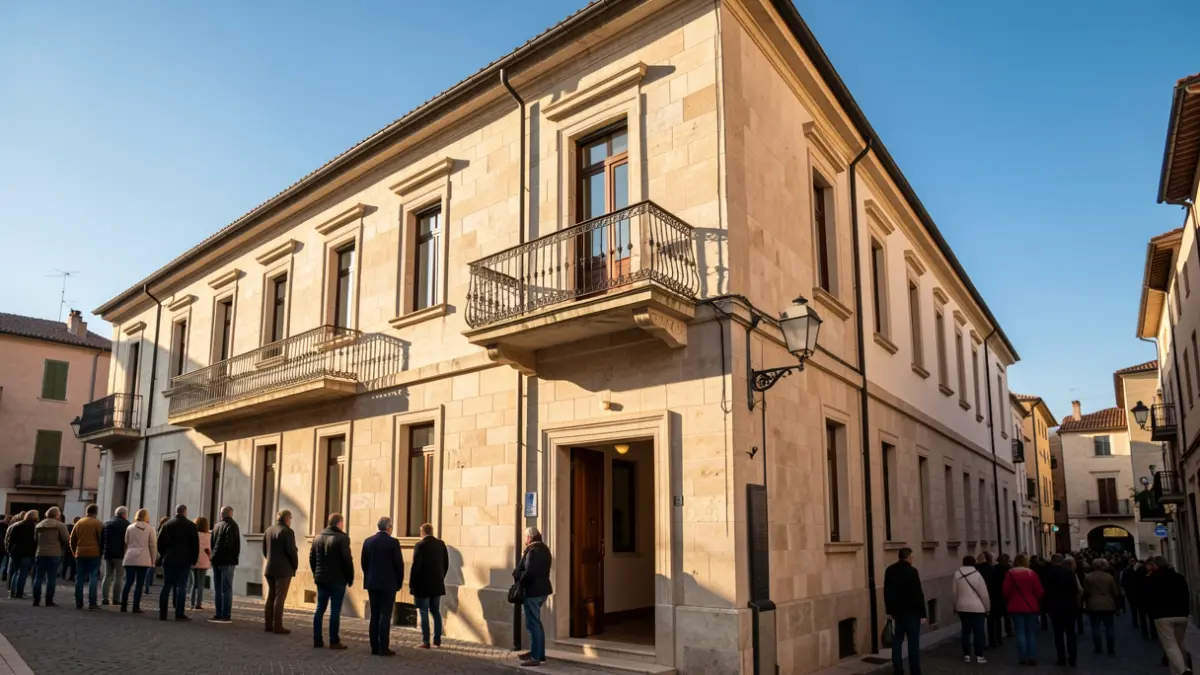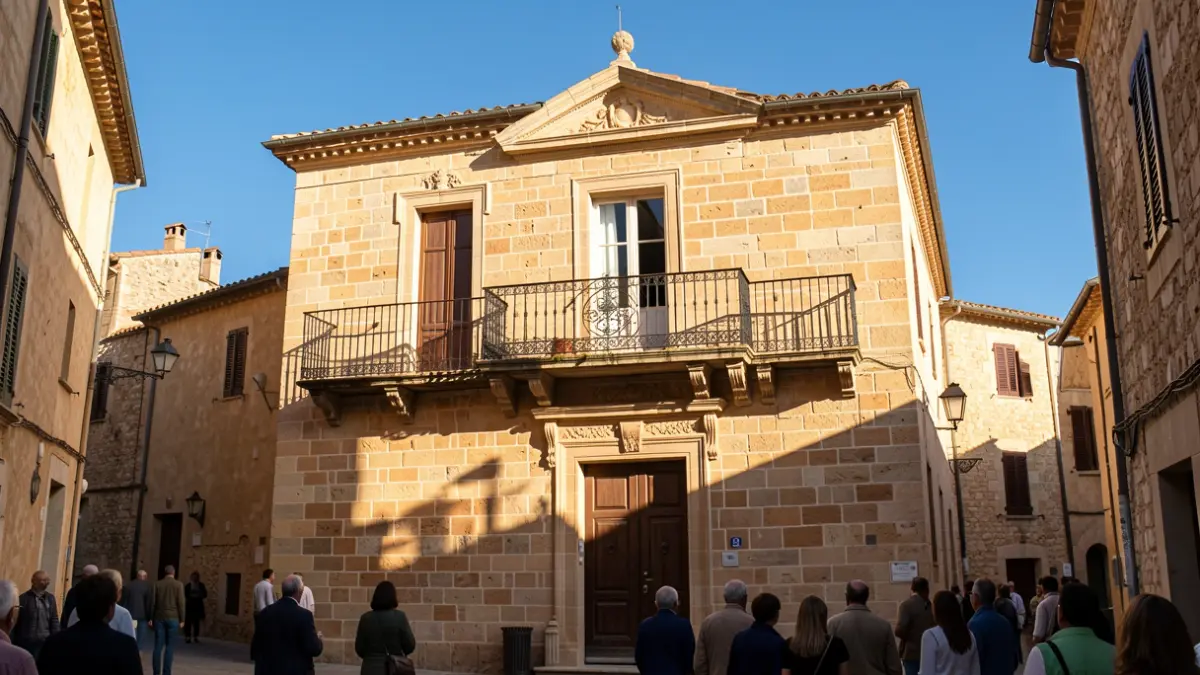
The decision by the Montán City Council acknowledges the profound impact left by Jordi Joan Santolaria Parella on the municipality's history. Santolaria, born in Barcelona in 1949 and son of Reinaldo Santolaria Badenas, a native of the town, developed a strong sense of belonging to Montán, where he returned every summer.
His passion for archaeology began in his adolescence, collecting pottery fragments and other remains during his excursions. At just 17 years old, the Barcelona Archaeological Museum confirmed these finds were pre-Iberian pottery, marking the start of a long period of research and conservation.
This dedication was crucial for the valorization of the Monte Calvario archaeological site. For decades, Santolaria shared his knowledge, sparking new vocations, such as that of archaeologist David Vizcaíno León. Their joint work culminated in 2009 when the Provincial Council of Castellón included Montán in the Catalog of Protected Archaeological Assets and Spaces.
Santolaria's legacy includes a significant collection of archaeological materials, deposited at the Museum of Fine Arts of Castellón, known as the Jordi Joan Santolaria Collection. In 2013, he participated as a volunteer in excavations promoted by the Provincial Council of Castellón, confirming the existence of the settlement he had envisioned.
“"Jordi Joan Santolaria knew how to see what many did not. Thanks to his intuition, perseverance, and love for Montán, today we have an archaeological heritage of immense value that helps us understand who we are and where we come from."
The mayor, Sergio Fornas, highlighted that the appointment is "an act of justice and gratitude" towards a person who protected and promoted local history. He emphasized that Santolaria's legacy represents values such as commitment to the territory, curiosity for knowledge, and pride of belonging. Jordi Joan Santolaria passed away on May 2, 2015, at the age of 65, and his memory lives on through his legacy.