This initiative served as the grand finale to a week of activities that have solidified Castellón's projection as a tourist destination. For several days, the city showcased its cultural, gastronomic, and tourism offerings through various actions, including an information point that attracted numerous interested visitors.
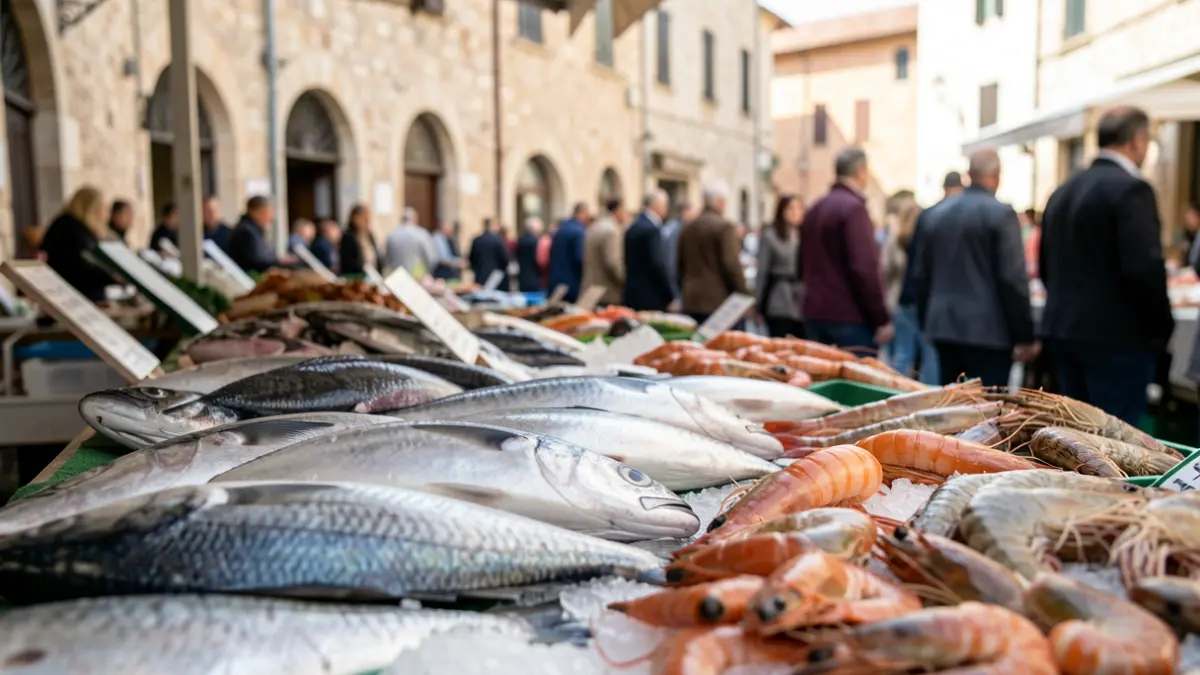
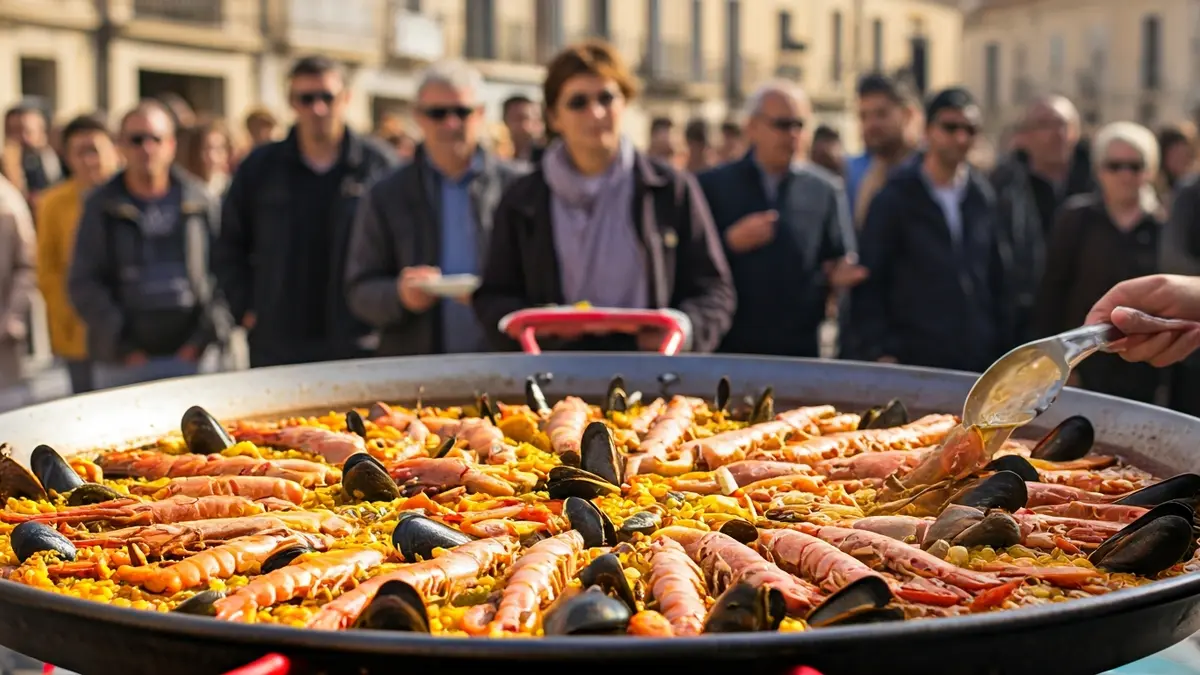
One of the most notable elements was the presence of the Gaiata, a symbol of the Magdalena festivities, which garnered great interest as it was the first time this monument traveled outside of Spain. The gastronomic proposal, led by Molimar, allowed the French public to experience the flavors of the Castellón coast, highlighting local products from El Grao and the maritime culinary tradition.
Additionally, the exhibition from the Museu de la Mar, featuring 16 pieces, disseminated the city's rich fishing heritage and maritime history. The Councillor for Tourism, Arantxa Miralles, provided a very positive assessment of the promotional action, emphasizing the success of the gastronomic tasting among international visitors.
“"The campaign has allowed us to position Castellón as a quality destination, and we trust that this projection will translate into future visits."
For her part, the Councillor for Festivities, Noelia Selma, highlighted the fundamental role of the Gaiata as a main attraction for participation in Sète, as well as the involvement of the festival queens in the scheduled events, which contributed to increasing Castellón's visibility and strengthening cultural ties with other Mediterranean cities.