The city of Benidorm once again joins the European Archaeology Days, an initiative promoted by the National Institute for Preventive Archaeological Research that aims to bring archaeological heritage closer to the public. Between June 12 and 14, a series of free activities have been scheduled for all audiences, with Tossal de La Cala and the Museu Boca del Calvari as key locations.
During these three days, residents and visitors can enjoy guided tours and open days to discover the city's past from different perspectives. As a notable new feature, the program includes a children's scavenger hunt on Saturday, June 13, at the Roman castellum of Tossal, designed to introduce archaeology to the youngest in a didactic and participatory way.
One of the main attractions will be the opportunity to explore the Roman castellum of Tossal de La Cala with the municipal archaeologist and to learn in depth about the collection of the Museu Boca del Calvari. This museum houses the permanent exhibition of the 'Luis Duart i Alabarta' Archaeology Room and a temporary exhibition titled “Benidorm, the footprint of time”.
This exhibition brings together archaeological pieces found in the municipality from 1943 to the present, originating from sites such as Tossal de La Cala itself, the Abric de la Cantera de la Serra Gelada, or the Torre de Les Caletes. Many of these pieces, some temporarily loaned by the Archaeological Museum of Alicante, are being exhibited for the first time in Benidorm.
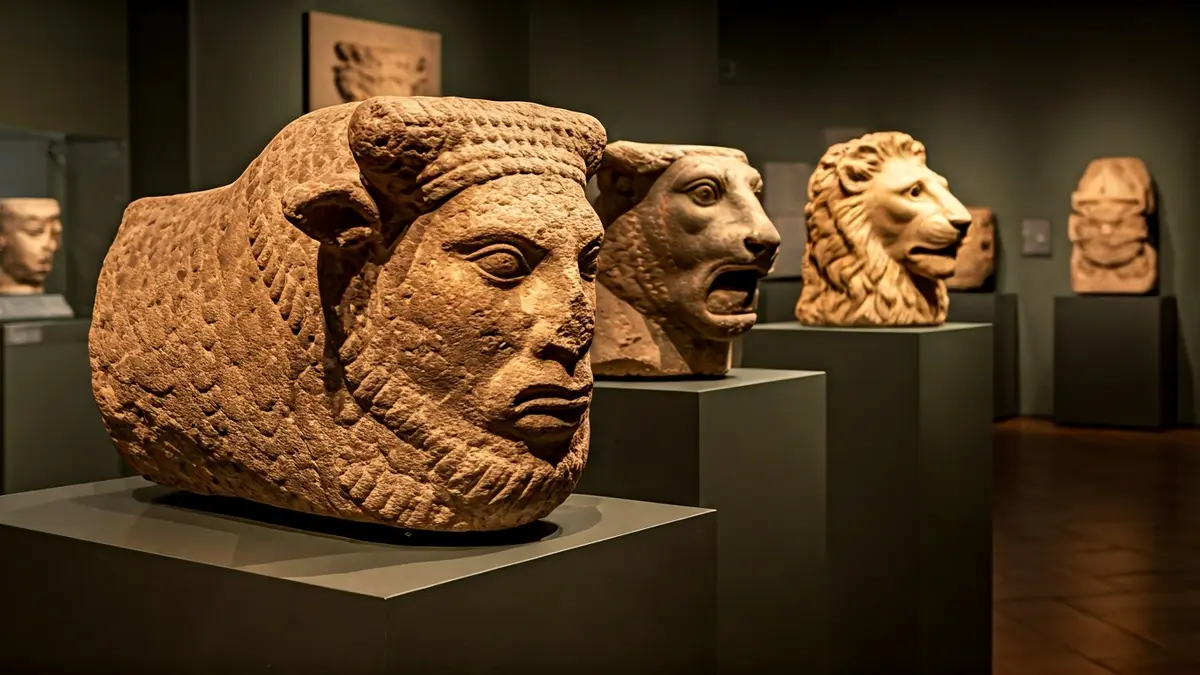
Among the most prominent elements of the exhibition are representations of Tanit, a lunar deity and Punic goddess of fertility, as well as Iberian figures such as a bull and a lion's head. These pieces, recently restored thanks to inter-institutional collaboration, offer a unique opportunity to delve into the different cultures that have left their mark on the territory.
“"The program offers a complete journey through the history of Benidorm over the centuries, combining dissemination, heritage, and citizen participation. It allows us to highlight the value of local sites and collections, and to strengthen the bond between citizens and their past."