The Municipal Archive of Dénia has remembered Pep Ivars, an architect and historian who passed away last Saturday at the age of 72, as a wise, discreet, and rigorous man. His ability to interpret the past of Dénia and the Marina Alta region has been highlighted by colleagues and collaborators.
Friends and cultural associations, such as Marfull, turned to his expertise to understand and disseminate Dénia's complex history. Ivars, with his work La ciutat de Dénia: Evolució i permanència del fet urbà (The City of Dénia: Evolution and Permanence of the Urban Fact), provided the keys to understanding the city's evolution, from its roots as an Islamic metropolis to the scars of the War of Succession.
Ivars always advocated for a rigorous vision, far from idealizing the past. He recalled that periods of prosperity, such as the raisin trade era, also had their shadows, with people suffering hardships while others prospered.
Born in La Xara, Ivars expressed a deep love for his country and the Marina Alta, understanding regional identity beyond municipal boundaries. He shared this vision upon receiving the honorary prize for architectural merit from Pedreguer in 2013, where he explained that his research was a way of loving his land.
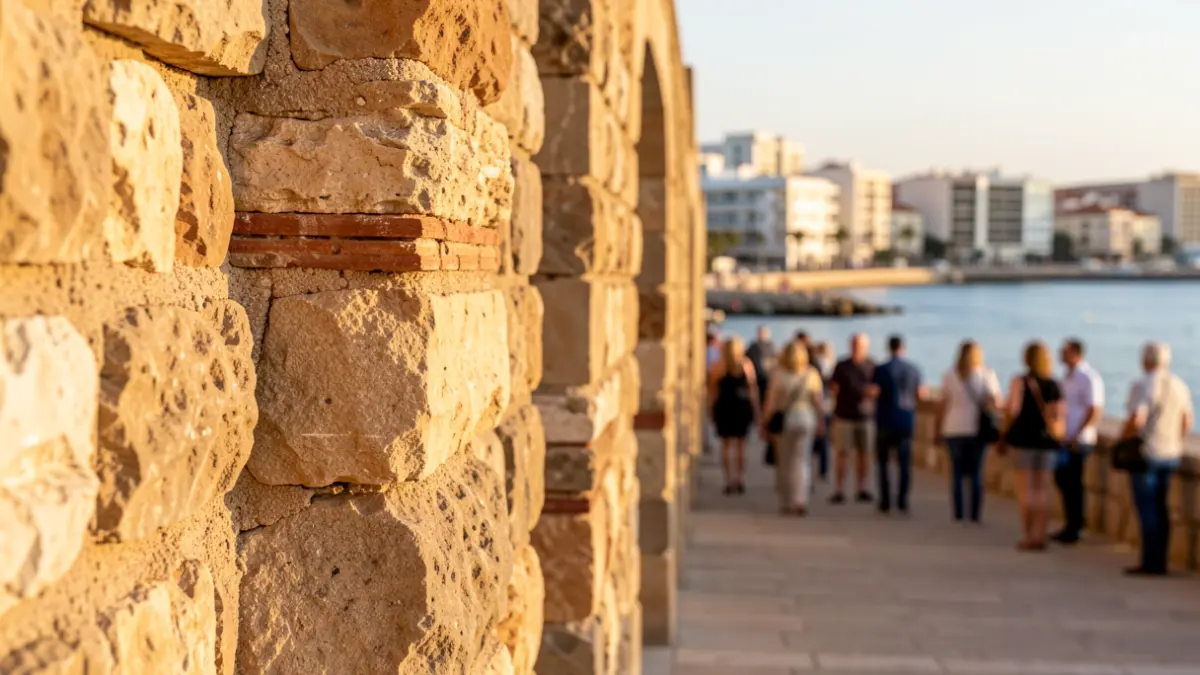
His work was not limited to written research; he also participated in the restoration of emblematic spaces. He designed the restoration of Dénia's Islamic walls in 2007, lamenting that the planned access for residents and visitors was never opened. He was also critical of the management of threatened cultural heritage.
Pep Ivars was a key figure in preserving historical memory, collaborating closely with the Dénia Municipal Archive. He bequeathed a valuable archive of 6,000 photographs and unpublished documents, and worked on publishing volumes about carved stone, the heritage of his hometown, La Xara.