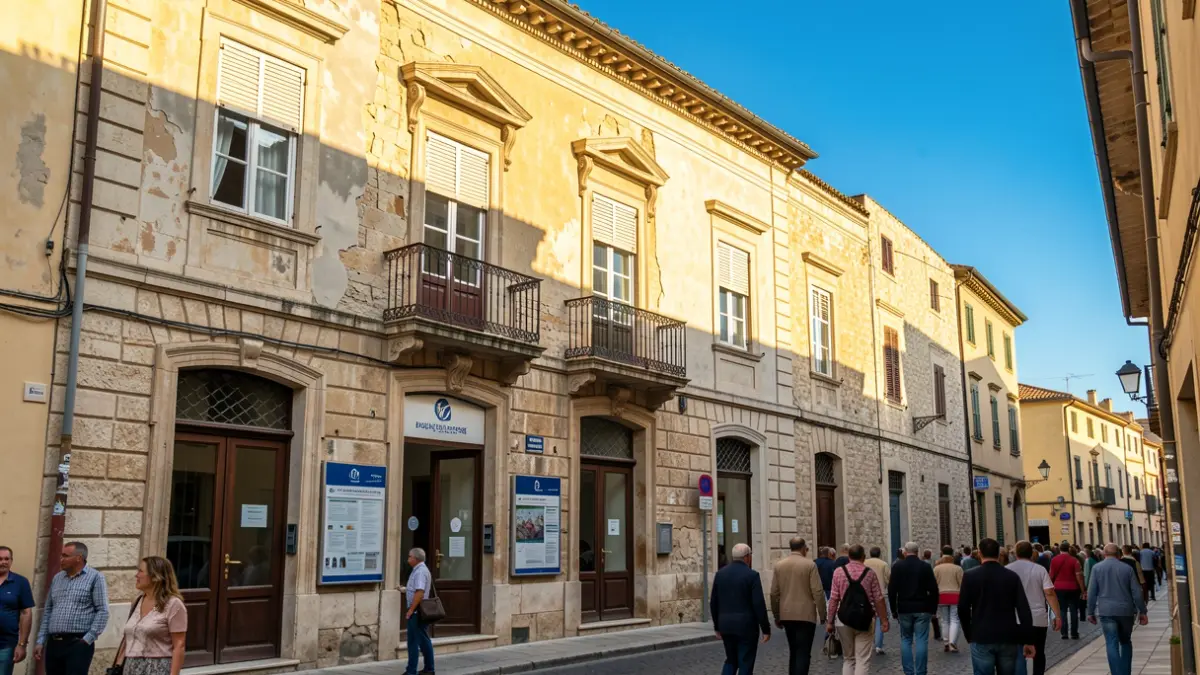
The city of Dénia, known for its vibrant gastronomic offer, observes with surprise the prolonged closure of four of its most iconic establishments. Two of them have been empty for years, another has just closed its doors, and a fourth is in a state of uncertainty. All occupy historic buildings that now present a desolate appearance.
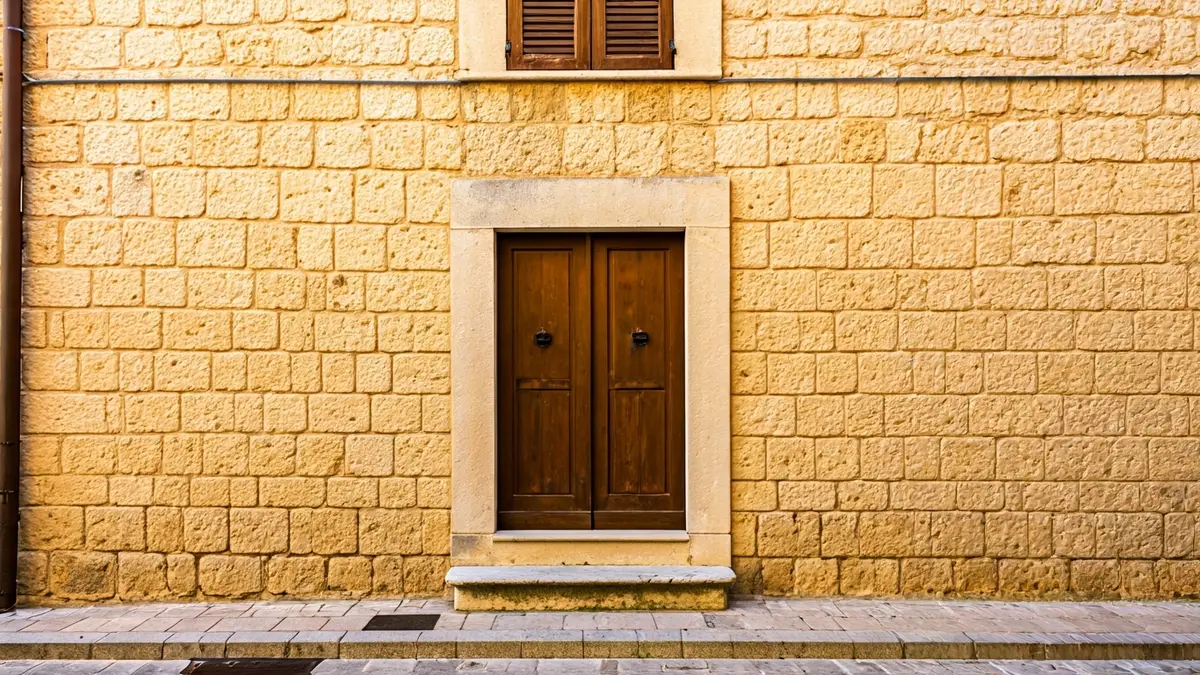
Pizzeria Pati de la Creu, located in the legendary Creu square in Baix la Mar, was a meeting point until well into the current century. This venue symbolized the bohemian and welcoming atmosphere of the maritime district in the nineties. The building, which includes the restaurant on the ground floor and a dwelling on the upper floor, with 185 m2, is for sale for 595,000 euros. Its stone portal dates from the mid-17th century, from the time of Philip IV, and is characteristic of Dénia's historic neighborhoods.
El Miguel Juan, considered the second oldest bar in Dénia, founded between 1929 and 1933, has had a tumultuous trajectory in recent years. After a closure in 2022 and a reopening in March 2023 with a new owner seeking to preserve its gastronomic identity, the venue closed again in February 2026 for holidays and an indefinite renovation. Since then, it has not reopened, and its current situation is marked by uncertainty.
El Mirall, another emblematic restaurant, moved to Rap Street in Les Marines this past March. However, the building it previously occupied on the Paseo de El Raset, one of the most visible maritime facades of Baix la Mar, has been abandoned. This property, which could date from the 18th or 19th century, carried a great identity, and its future destination is now unknown.
Finally, El Comercio, founded in 1888 as one of Dénia's first hotels, closed its doors in October 2021. Although a group of businessmen bought it in January 2019 with the intention of converting it into a hotel and maintaining the restaurant, nothing more has been heard. This building, which hosted figures such as Manuel Azaña and the children of Vicente Blasco Ibáñez, suffered a first closure in 1981, and its preservation is now under debate, as only the facade and roof must be maintained, risking elements of historical value.