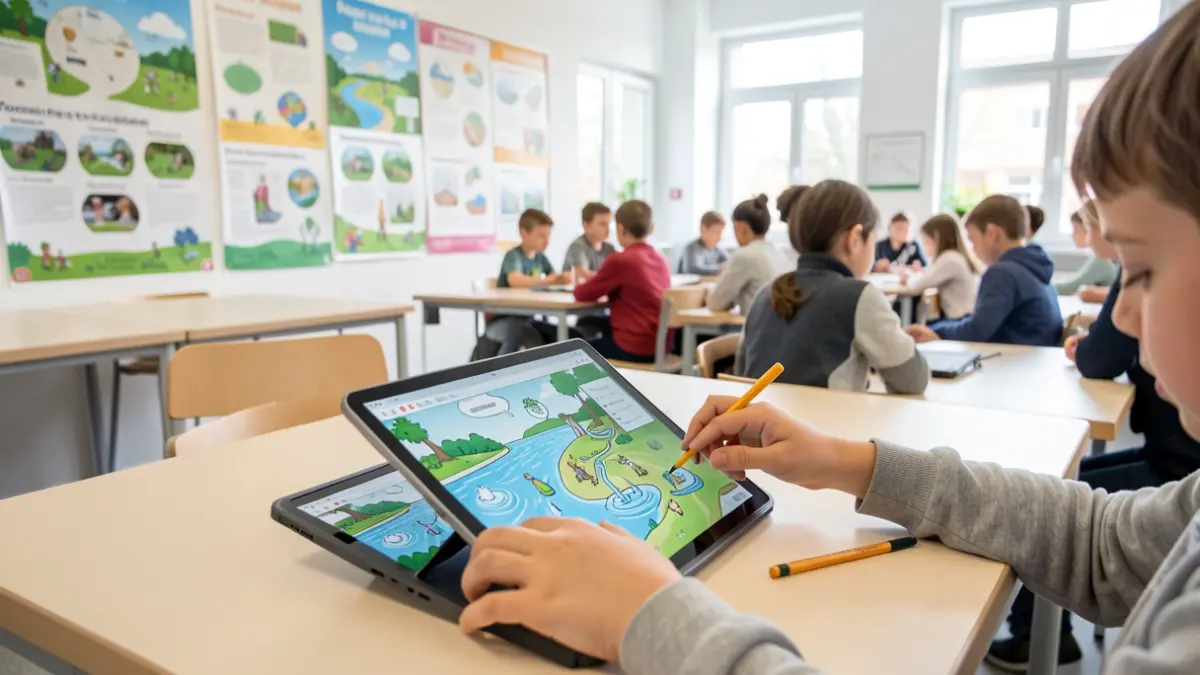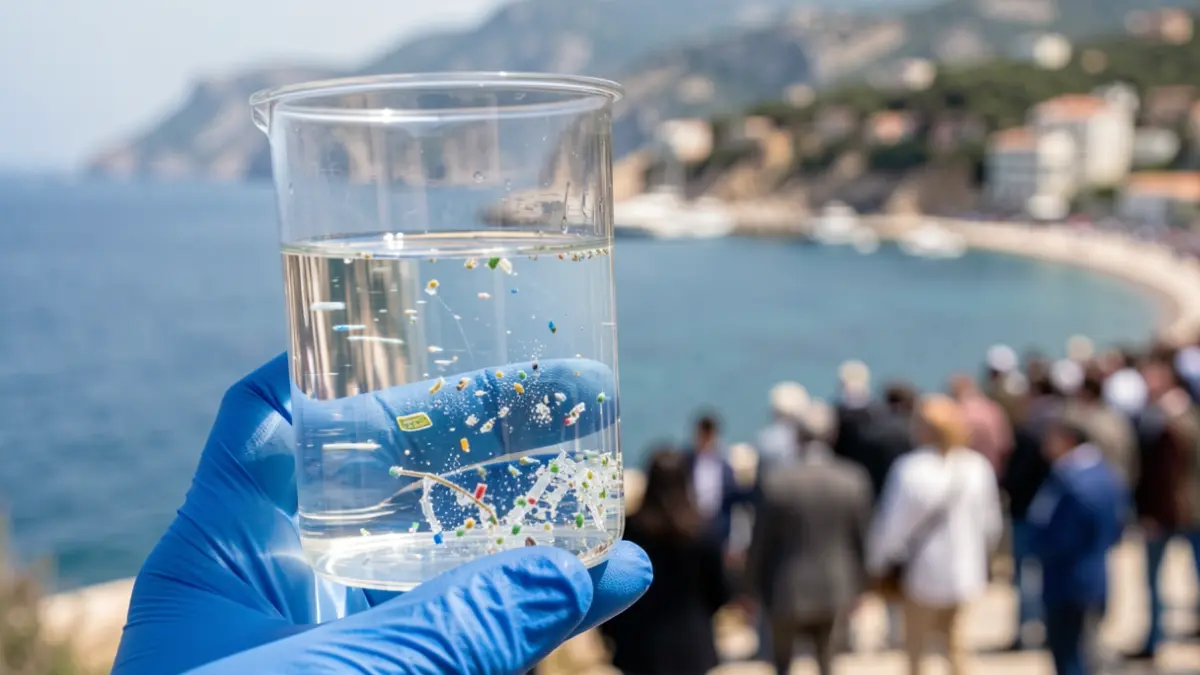
The European Erasmus MARIS project workshops will bring together nearly 70 teachers from the Valencian Community in Xàbia and Dénia this weekend. The initiative aims to establish a collaboration network in the Marina Alta region, connecting educational centers, nautical entities, administrations, and stakeholders involved with the marine environment, with the goal of transferring microplastic research methodologies to the classroom.
Erasmus MARIS is a European project promoted by the Joint Research Centre (JRC) of the European Commission and Ayam Sailing Europe, supported by academic and educational institutions across Europe. Its approach combines citizen science, marine education, and fieldwork to bring microplastic research closer to the school environment, making educational centers active participants in environmental monitoring.
The initiative is part of the official course “Erasmus MARIS: Marine Research on Microplastics (Sampling, Analysis, and Database)”, promoted by the CEFIRE of La Nucia within the Environmental Education area. In this initial phase, teachers will be trained in a unified European-level sampling protocol, analysis techniques, and the use of a centralized platform for data management, aiming to generate comparable information across centers and countries. This unified database will allow for the assessment of microplastic presence along the coast and facilitate the transfer of these methodologies to the classroom.
The sessions will take place between Xàbia and Dénia, combining theoretical training with practical activities related to sampling and analyzing microplastics in the marine environment.
The project has the scientific backing of UNESCO and the European Commission. The MARIS monitoring network includes the Generalitat Valenciana, the schooner Tirant I, the CEFIRE of La Nucia, and the University of Alicante. Collaborators also include the Xàbia City Council, the Dénia City Council, IES La Mar de Xàbia, the Real Club Náutico de Dénia, MarLabUA Dénia, the Salom Sabar Foundation, WeWhale, the Club Náutico Jávea, the Pòsit de Xàbia, the Club Politécnic Pesquer de l’Alacantí, and the company Mundomarino.
Beyond these workshops, the initiative contributes to consolidating a working network in the Marina Alta that connects education, research, and territory, incorporating a harmonized sampling methodology at the European scale. This foundation will be key for the continuity of Erasmus MARIS and for the progressive participation of educational centers in a shared scientific monitoring and knowledge generation network.