This aid is part of the 8th call for the Gilead–Spanish Association for the Study of the Liver Grants, which supports initiatives to improve the detection and management of these diseases within the National Health System.
The selected project, named MICROVIHEP-DENIA, is a collaboration between the Infectious Diseases Unit and the Digestive Medicine Service. Its main objective is the micro-elimination of viral hepatitis and HIV through automated screening and effective care linkage.
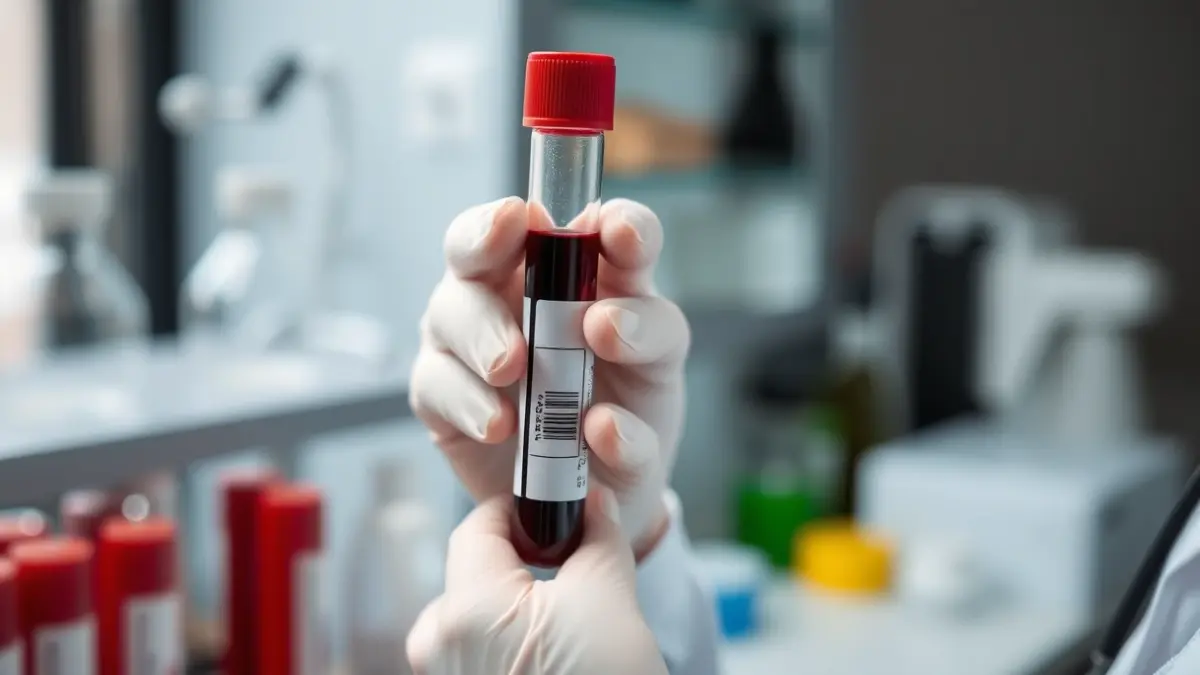
The initiative is based on the implementation of an automated screening system in Primary Care. This system leverages analytics requested for other reasons to automatically activate the detection of viral hepatitis and HIV in the population aged between 40 and 80 years. This allows for the identification of undiagnosed infections, promotes early diagnosis, and facilitates immediate referral to specialized services for treatment.
Furthermore, the project aims to reduce diagnostic times, minimize follow-up losses, and improve coordination between different care levels. A significant impact on public health is expected, contributing to the identification of undiagnosed patients and advancing towards the elimination goals for these infections set by the World Health Organization for 2030.
The project will last 24 months, during which its effectiveness and potential application in other healthcare settings will be evaluated. Since their creation in 2018, the Gilead Grants have funded a total of 90 projects across 16 autonomous communities, with an investment of over 2.2 million euros in research.