The exhibition, a result of the collaboration between the Fundación CV MARQ and the Dénia City Council, offered a comprehensive journey through the city's history, from prehistory to the mid-20th century. The exhibition was curated by Massu Sentí, head of the Archaeology and Museums Area of the Dénia City Council, with the support of staff from both the area and MARQ.
“"The exhibition shone brightly as a result of the quality of the exhibited materials, which allowed for an exhaustive discourse around the city of Dénia, from Prehistory to the mid-20th century, when the wooden toy industry began its decline. But also because it had an optimal location with large rooms that provided the most suitable conditions for the exhibition of archaeological objects and an innovative exhibition design signed by Àngel Rocamora."
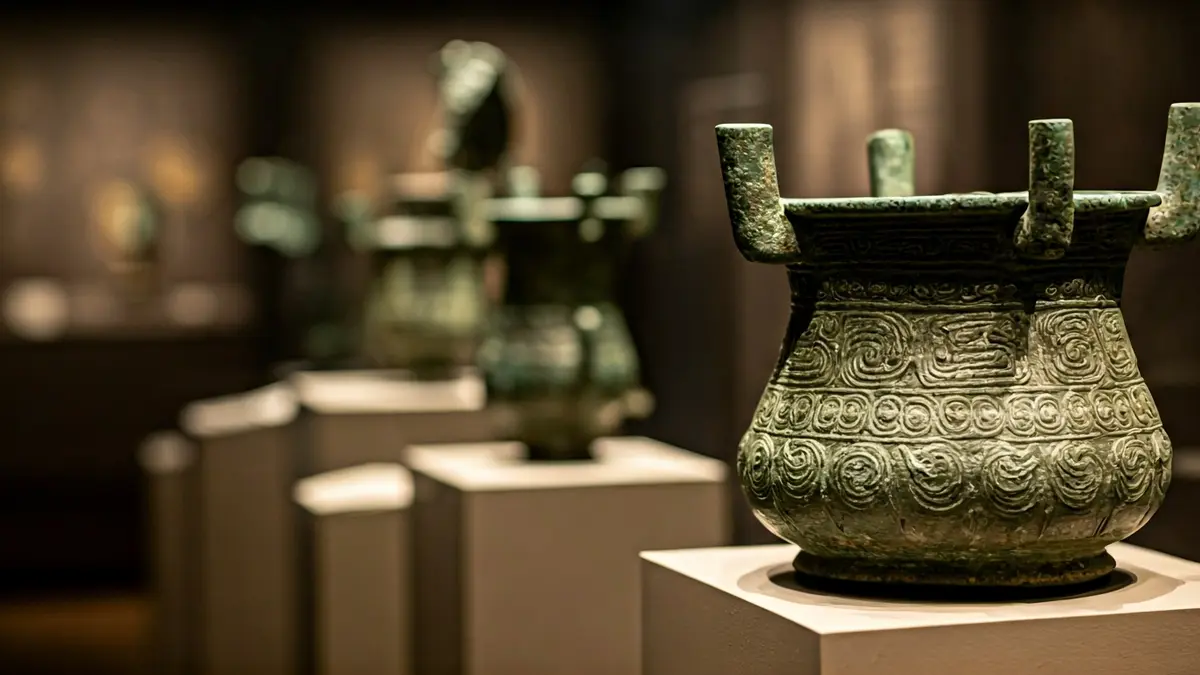
A large part of the exhibited collections come from the Archaeological Museum of the City of Dénia (MAD), with over 90% of the material being unpublished, presented to the public for the first time. The most important collection of bronzes from the Islamic West, recovered and separated in the last century, was one of the main attractions. Additionally, prominent pieces from other institutions such as the Louvre Museum in Paris and the National Archaeological Museum were included, as well as objects from Dianium from the Museum of Fine Arts of Valencia and the oil painting of the Expulsion of the Moriscos from the Bancaja Foundation.
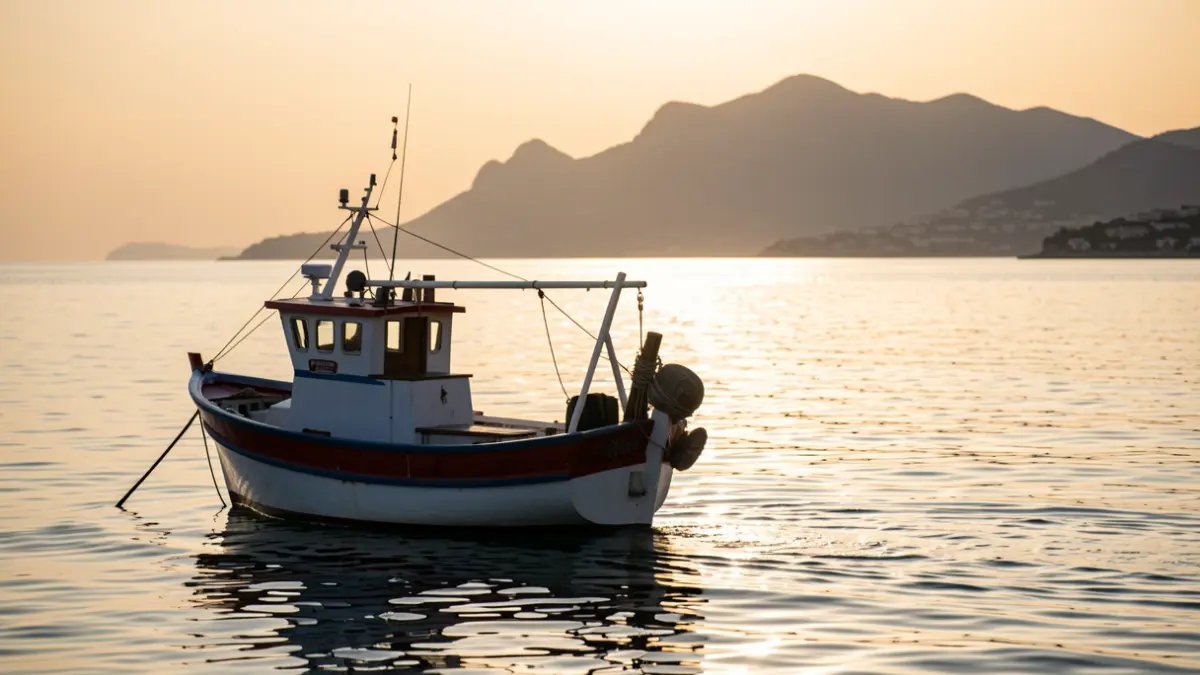
The exhibition's journey explored the history of Dénia from the cave art of Cueva de la Catxupa to the decline of the raisin and wooden toy industries in the mid-20th century. It addressed the influence of the sea, with the arrival of Phoenicians and Romanization, and the importance of the land, with the winemaking center of Alt de Benimaquia in Montgó and the city's transformation through the medieval, Gothic, and Renaissance eras.
A 323-page catalog complemented the exhibition, featuring unpublished articles and contributions from researchers from the universities of Alicante, Valencia, and Granada. Regarding visitor statistics, 21,182 were national, with 18,524 from the province of Alicante, and 12,224 international, notably from Eastern Europe and Great Britain. The MAD also organized 10 bus tours, gathering 450 people.