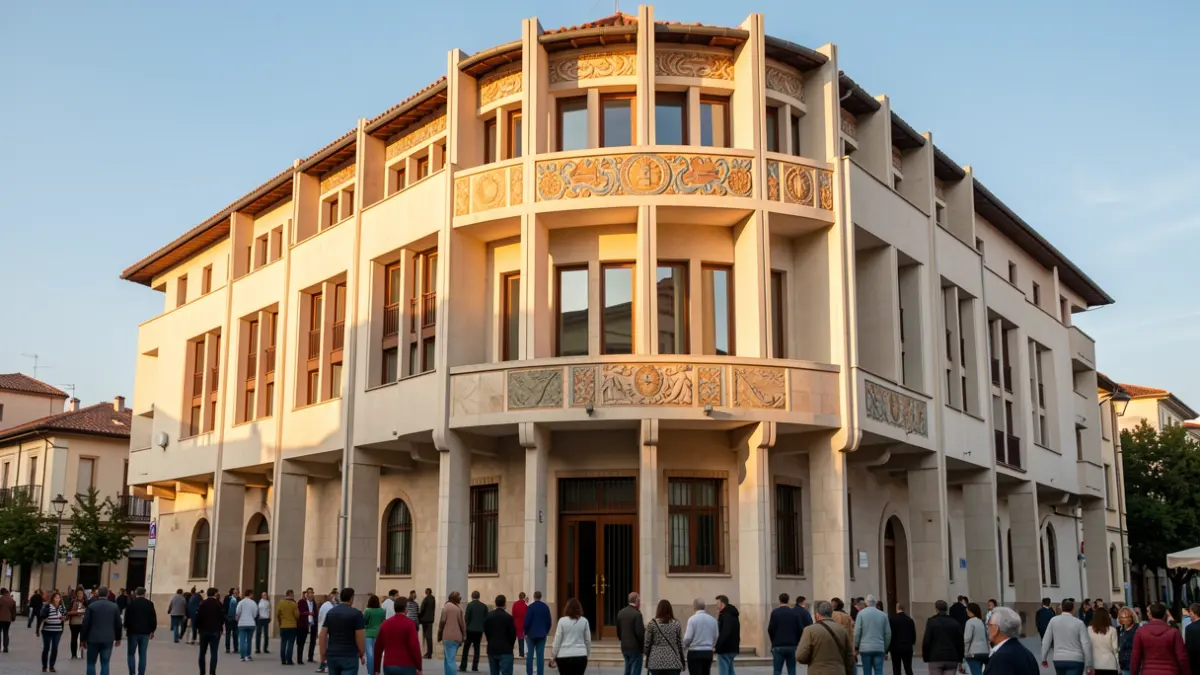
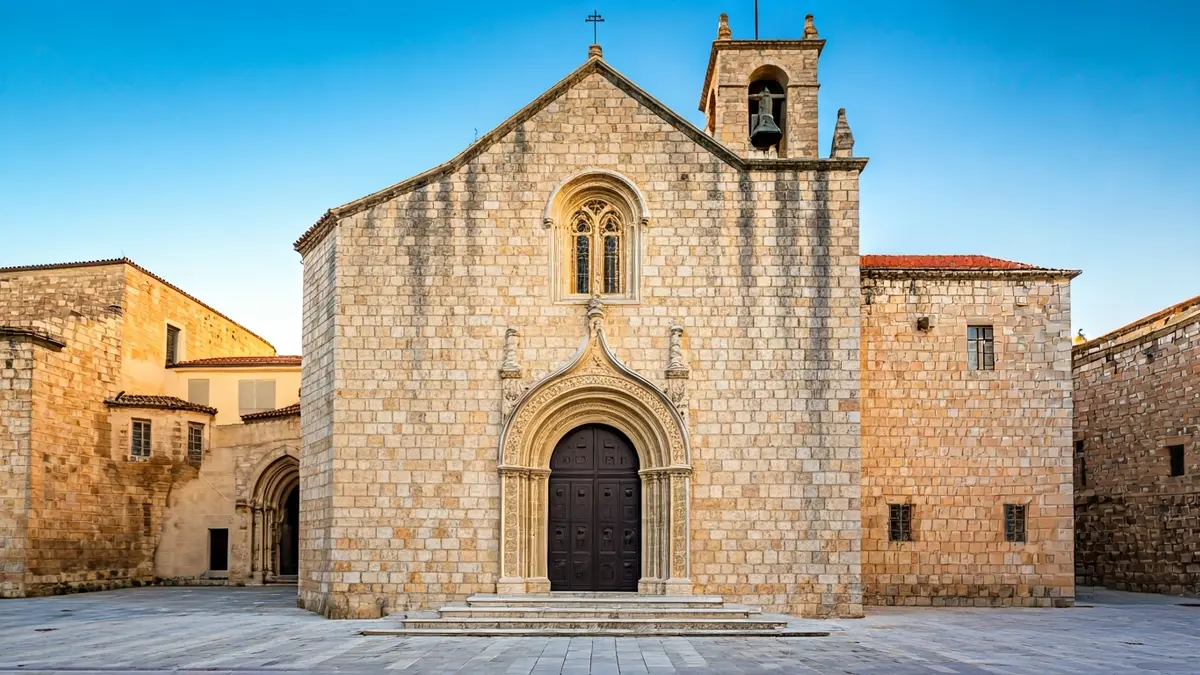
The mayor of Xàtiva, Roger Cerdà, has confirmed that the rehabilitation works for the Real Monasterio de Santa Clara, which will house the Raimon Cultural Activities Center (CRAC), will begin soon. This initiative is made possible by a one-million-euro grant that the Diputación de València will provide through its heritage rehabilitation program. Cerdà expressed his satisfaction on social media, highlighting that the intervention will make it possible “to have this reference cultural center.”
The vice-president of the Diputación, Natàlia Enguix (Ens Uneix), confirmed the forecast for this aid, which is part of the institution's new heritage recovery plan, endowed with nearly 12 million euros. This plan, the first of its kind since 2017, provides aid for both assets of cultural interest (BIC) and assets of local relevance (BRL).
“"Next week, if all goes well, we will have everything ready and will be able to announce the rest of the subsidized actions within the heritage recovery plan."
Enguix specified that the Xàtiva City Council's application for the Raimon Center meets the criteria to receive the one million euros, as the monastery is a BIC. Mayor Cerdà emphasized that this news contrasts with the decision of the Generalitat Valenciana (GVA) not to renew the funding agreement, which amounted to about three million euros for this intervention.
Furthermore, the Consell has demanded that the city council reimburse 399,265.56 euros already paid for the monastery's rehabilitation, within the framework of the agreement's termination procedure. Cerdà considers this attitude by the Generalitat to be “entirely sectarian” towards a project that seeks to promote tourism in the city, create a top-level cultural center, and rehabilitate an important part of local heritage.
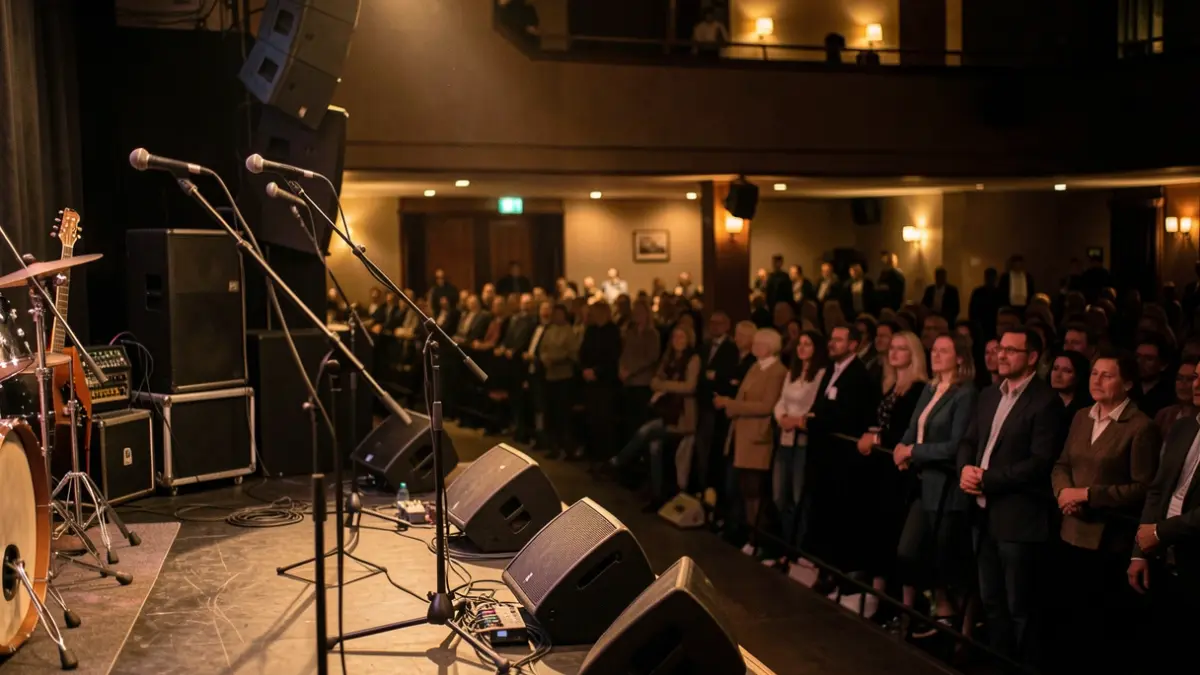
The CRAC project, launched in homage to the singer Raimon from Xàtiva and designed by the architecture studios of Ramón Esteve and Carlos Campos, plans to host cultural activities such as exhibitions, conferences, concerts, and artistic proposals. The goal is to transform it into a “living space for cultural creation and dissemination” through a comprehensive architectural and museographic intervention that will respect the monastery's original structure, consolidating it and restoring its heritage elements.