This significant reduction, with data audited and verified by the end of 2025, has been primarily driven by the Anesthesiology and Resuscitation Service. They have evolved their clinical practice towards a more environmentally friendly model, eliminating nitrous oxide, one of the gases with the highest environmental impact.
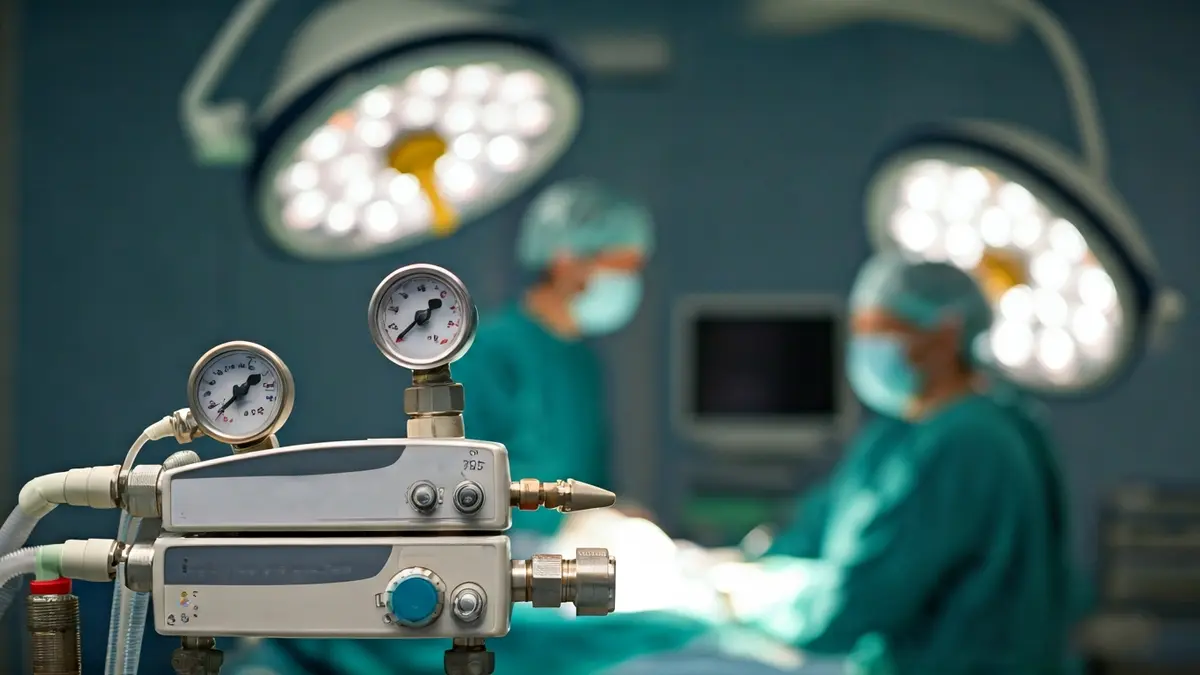
The project has included the renewal of anesthesia equipment and the incorporation of more precise technology to control gas flows. This allows working with smaller quantities and improving the efficiency of anesthetics. Additionally, systems have been implemented to monitor anesthetic depth in all operating rooms, and new anesthesia workstations have been acquired.
Thanks to these measures, there is now a passive gas extraction system with an absorbent cartridge that captures sevoflurane and desflurane anesthetic vapors before their release into the atmosphere. The use of intravenous anesthesia has also been expanded with systems to adjust and monitor the hypnotic effect more safely and rationally.
“"This project demonstrates that sustainability can be effectively integrated into healthcare practice without compromising safety or quality."
Emissions associated with anesthetic gases have been reduced by 49.11% compared to 2023, with specific decreases of 61% in the use of nitrous oxide, 46% in desflurane, and 16% in sevoflurane. These actions are part of the Strategic Plan of the Manises Health Department, focused on community well-being.
“"Caring for the environment is also caring for people's health, as it reduces the risks associated with climate change."
The Manises Health Department provides coverage and healthcare assistance to over 216,000 people from 14 localities. It is part of the Valencia-Oeste Interdepartmental Health Grouping, which also includes the Valencia-Hospital General and Requena health departments. Its healthcare network comprises the acute care hospital, nine health centers, eleven auxiliary clinics, two specialty centers, and an integrated health center.