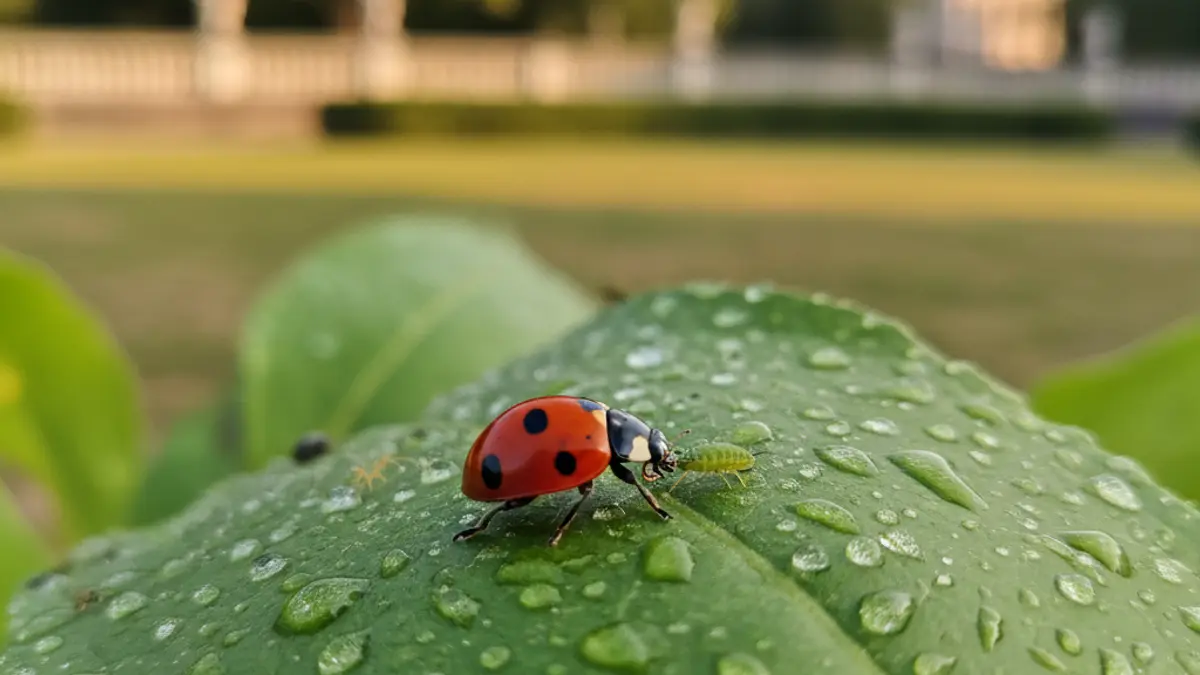
Over two days, larvae and young specimens of ladybugs, lacewings, and other native insects were distributed. This initiative aims to naturally combat pests such as mealybugs and aphids, avoiding the use of chemical products.
“"We continue to bet on sustainable and safe solutions for the maintenance of the town's green spaces, especially in areas near schools and frequently visited places. Biological control allows us to reduce the use of insecticides and fumigations, protecting the health of park users, municipal staff, and also pets."
In addition to controlling pests more effectively and respectfully with the environment, this type of treatment promotes urban biodiversity and contributes to creating more balanced ecosystems in municipal green spaces. The action has been carried out with the coordination of municipal technicians, Parks and Gardens staff, and the company in charge of the service.
This commitment to more sustainable management of green spaces adds to the actions being promoted by the City Council to recover the municipality's green infrastructure after the severe damage caused by the DANA on October 29, 2024. In this regard, the council has recently initiated the tender for the supply and planting of 450 new trees in streets and public areas.
The flood caused the loss of nearly 700 trees in the municipality, so the City Council continues to work on the progressive replacement of urban trees. These 450 specimens will soon be joined by another 225 trees thanks to a European Union subsidy, which will accelerate the recovery of green spaces and expand the municipality's plant cover.
New plantings will include species adapted to the urban environment such as ornamental pear trees, ash trees, bitter orange trees, pomegranates, oleanders, or tree hibiscus. The recovery of trees is considered fundamental to improving quality of life, biodiversity, and public space, making Catarroja a healthier and more resilient place.